
Living Room
Small Living Room Layout Ideas With Sectional: 9 Layouts
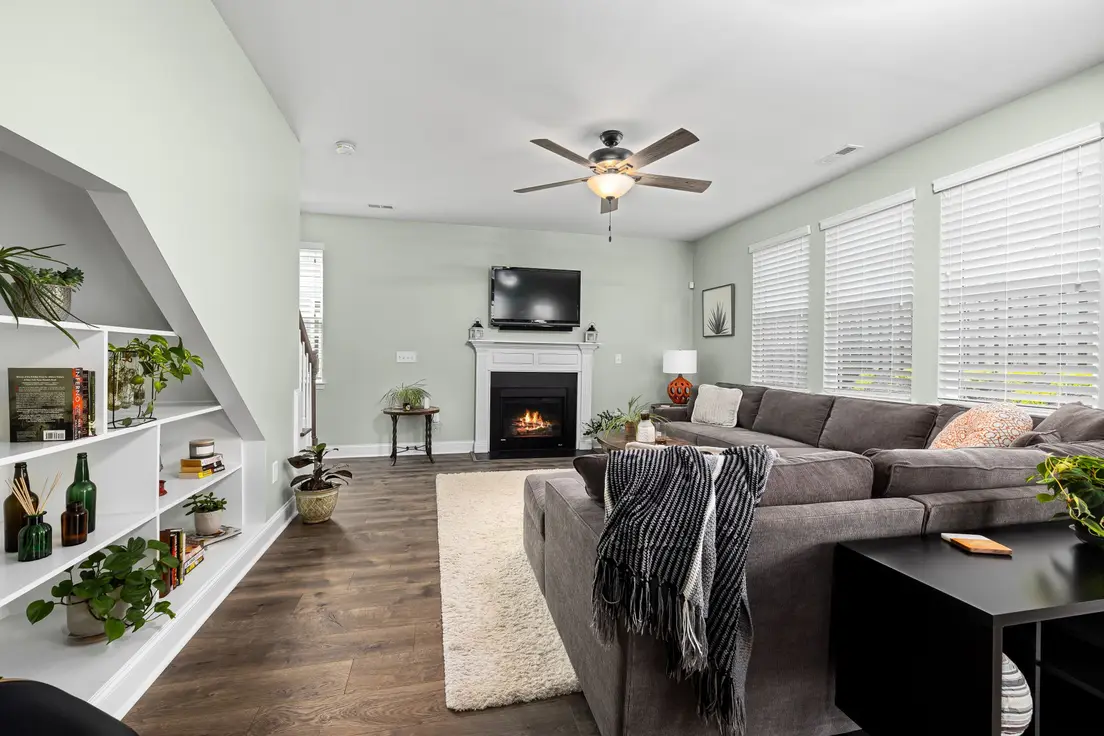
Photo by Curtis Adams on Pexels
The best small living room layout ideas with a sectional all start the same way: stop trying to fit a big-room sectional sofa into a small room and pick the layout first, the piece second. A sectional isn’t automatically the wrong call for a small living space — an L-shaped sofa tucked into a corner often seats more people than two accent chairs would, in less floor space. The nine layouts below cover corners, narrow walls, and the “just split it up” option, with real clearance numbers so nothing gets returned for not fitting.
Corner the Sectional Into an L to Free the Room’s Center
An L-shaped sectional belongs in a corner, not floating in the middle of a small room — it’s the one layout that turns dead corner space into seating instead of stealing floor space the rest of the room needs. Push the long side against one wall and the chaise against the perpendicular wall, and the entire center of the room opens up for a coffee table and a walkway that doesn’t require stepping over anyone’s feet.
This is the highest-seating-per-square-foot layout in this list, because a sectional in a corner skips the frame and armrests two separate chairs would each need. Most L-shaped sectionals built for small living rooms run $700–1,400 in a mid-grade fabric or leather sofa upholstery; when you choose a sectional for a corner specifically, look for a reversible chaise so the same piece works whichever corner has the outlet.
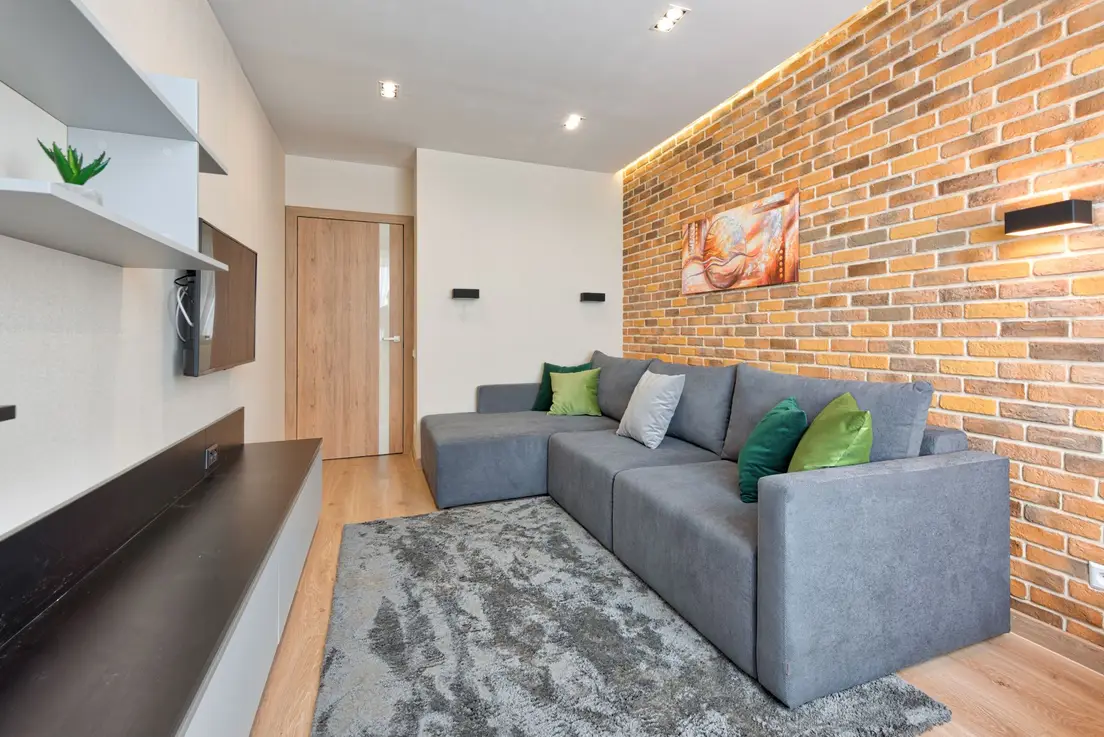
Photo by Max Vakhtbovych on Pexels
Float It a Few Inches Off the Wall for Better Traffic Flow
Pulling the sectional 4–6 inches off the wall, instead of pushing it flush against the baseboard, is the fastest fix for a small living room that still feels cramped despite the furniture technically fitting. That small gap gives the room a natural flow around the back of the sectional instead of one single choke point at the front, and it makes the whole space read bigger even though the square footage hasn’t changed.
Floating only works if there’s genuinely a few inches to spare — measure first, because a sectional floated in a room too tight for it just moves the cramped feeling instead of fixing it. Position the sectional so the gap lands where people actually walk, not toward a dead corner; a cozy reading spot behind it beats a sofa stranded in the middle of the room with no purpose. (We’ve floated a sofa into a doorway’s swing path exactly once. The door still doesn’t close all the way.)
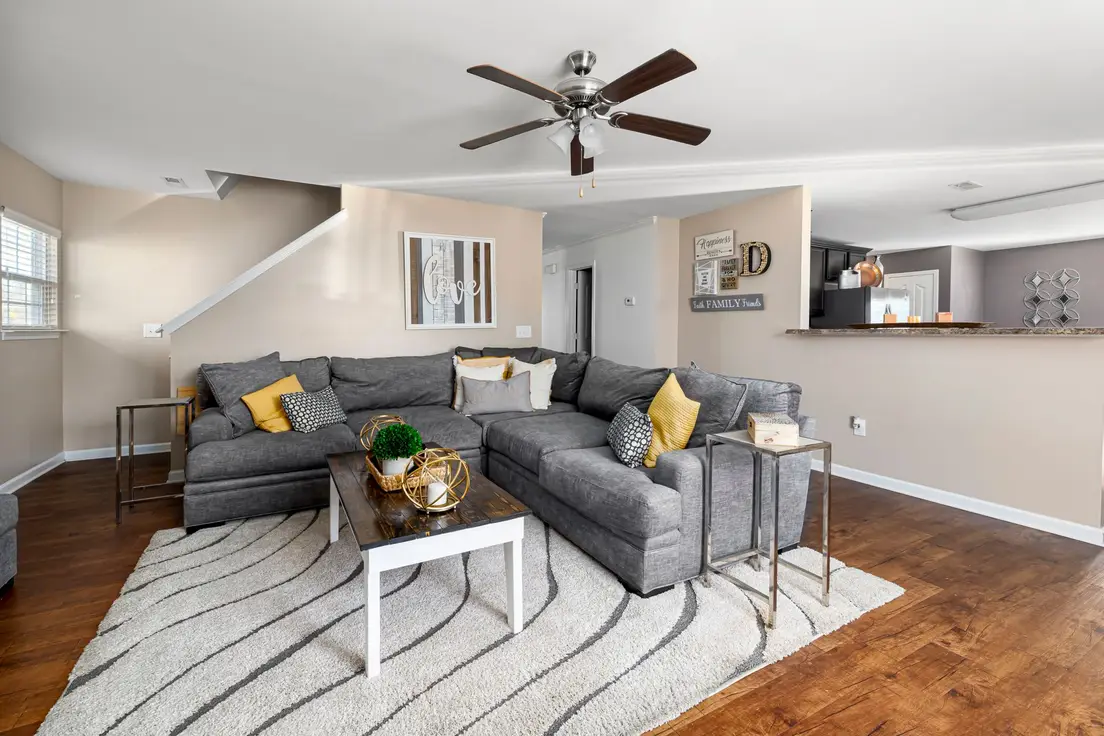
Photo by Curtis Adams on Pexels
Add a Console Table Behind a Floating Sectional to Define the Space
Once a sectional is floating instead of wall-anchored, its back side needs a job — otherwise it just reads as an unfinished edge facing the rest of the living space. A slim console table behind a sectional gives that side a purpose: a lamp, a stack of books, one patterned pillow, somewhere to set a drink walking in from the kitchen. It also acts as a soft room divider in an open-concept layout, without the commitment of an actual wall.
A console table 12–16 inches deep keeps enough walking room behind the sectional to still count as a real path, not just a gap. Budget $80–150 for something sturdy enough to hold a floor lamp without wobbling — the cheap wire-frame versions do not hold up to a lamp cord getting yanked. This is a genuinely stylish fix for a sectional in a small living room that’s otherwise floating with nothing to say for itself.
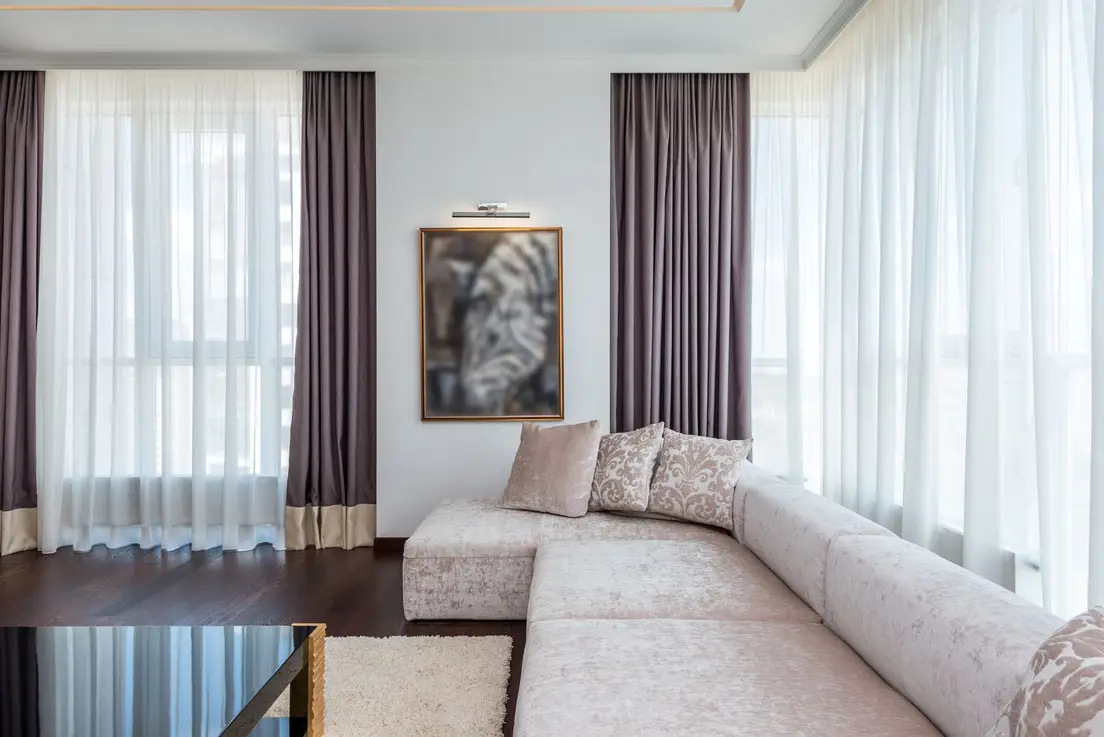
Photo by Max Vakhtbovych on Pexels
Run It Along the Room’s Longest Wall in a Narrow Layout
Long, narrow living rooms — the kind you get in a lot of older duplexes and railroad-style apartments — do better with a sectional against a wall than corner-anchored. A corner layout in a narrow room usually just pushes the chaise into the walking path; place the sectional along the full length of one wall instead, and the opposite side of the room stays clear for the actual traffic lane through the space.
This layout also keeps sightlines open end to end, which matters more in a narrow room than a square one — a corner sectional in a 10×20 room blocks the view down the room’s long axis in a way it wouldn’t in a 12×12.
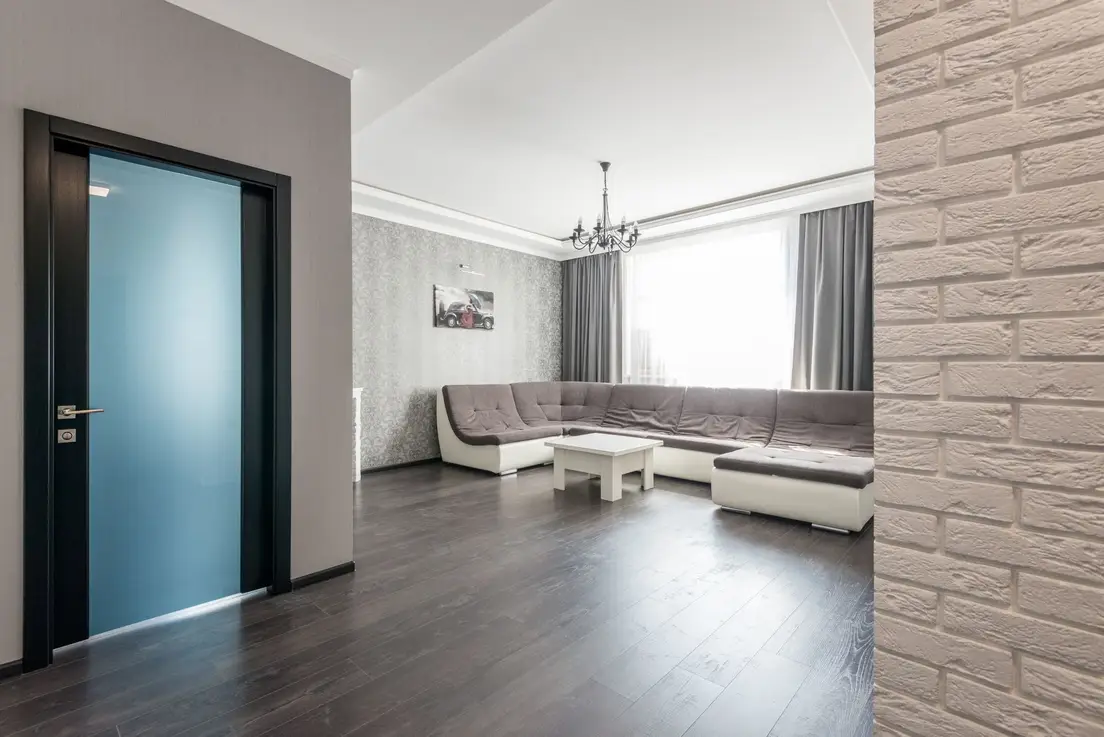
Photo by Max Vakhtbovych on Pexels
Size the Sectional to Two-Thirds of the Wall, Not the Whole Room
Here’s the honest math on sizing: your sectional shouldn’t run longer than about two-thirds of the wall it sits against. For a 10-foot wall, that’s an 80-inch maximum — anything longer and the piece stops reading as furniture and starts reading as a wall itself, with zero room left for a lamp or a plant on either side.
It’s tempting to maximize seating by buying the biggest sectional the room will technically hold, but a sectional sized to the whole wall usually makes a small living room feel smaller, not more furnished. Measure the wall, not just the floor space, before ordering — a sectional that clears the floor plan can still overwhelm the room if it runs edge to edge.
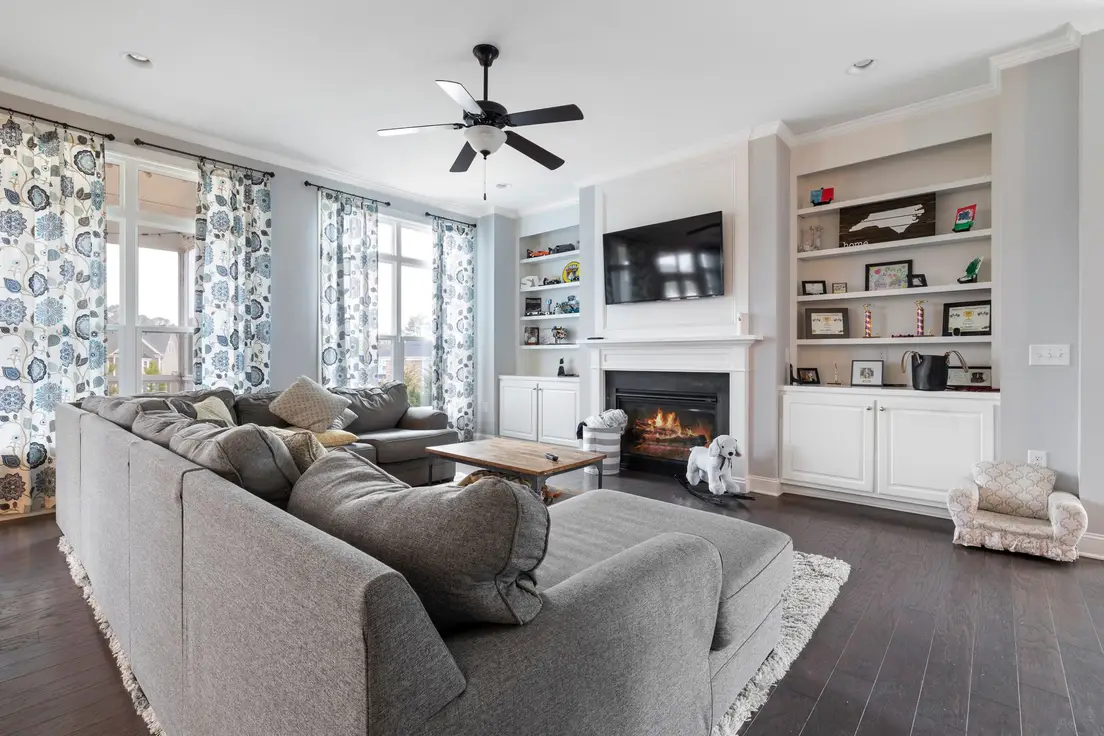
Photo by Curtis Adams on Pexels
Leave 30 Inches of Floor Space Around Every Side
A sectional that fits the floor plan on paper can still fail in real life if there’s no walking room left around it. Leave at least 30–36 inches of clearance on every side people actually walk — between the sectional and the TV console, along the path to the kitchen, around the coffee table. Anything tighter and the room stops feeling like a living room and starts feeling like an obstacle course.
Coffee tables are the usual casualty here: 14–18 inches between the sectional and the table is the sweet spot, close enough to reach a drink without launching yourself off the cushions. For a sense of where the 36-inch number even comes from, the U.S. Access Board’s clear-width standard for accessible routes uses that same 36-inch minimum — a useful baseline even though it’s not a legal requirement inside a private home. This is also where a tape measure earns its keep — a floor plan sketch on paper rarely accounts for how a chaise actually swings into the room.
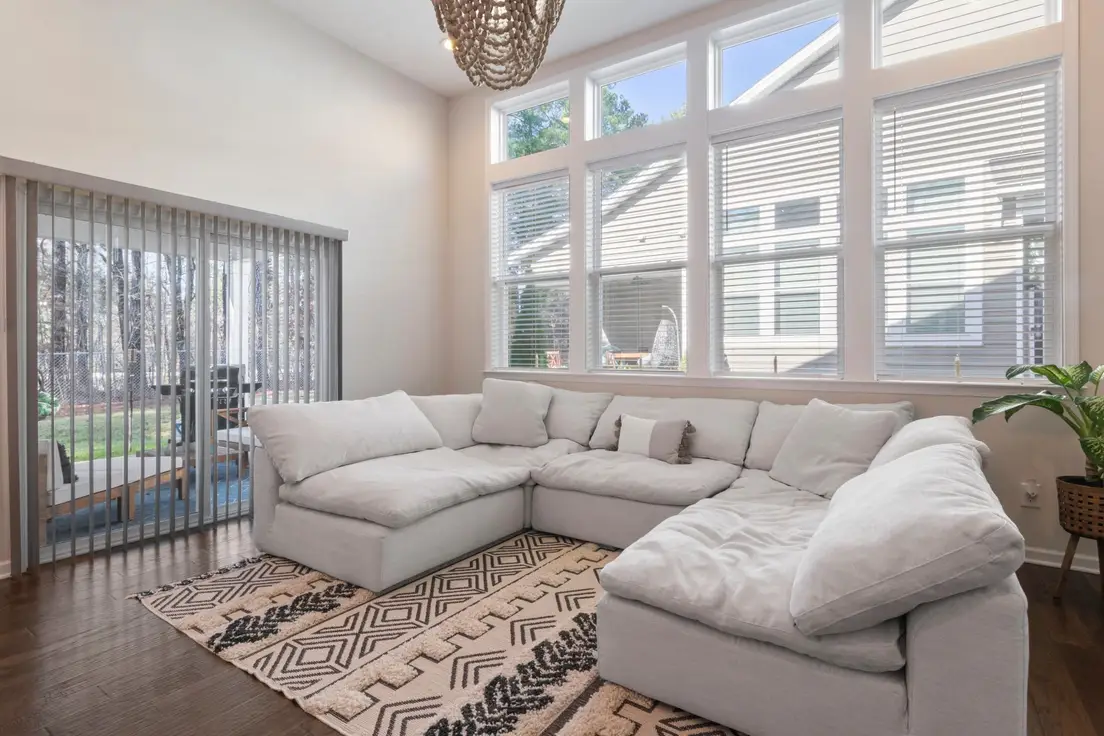
Photo by Curtis Adams on Pexels
Anchor an Area Rug Under the Sectional’s Front Legs
A rug is still the single highest-leverage purchase in this layout, sectional or not. Anchor it under the front legs of every seating section — chaise included — and the whole L-shape reads as one deliberate zone instead of a couch that happens to share a floor with a rug nearby.
Go bigger than feels reasonable: for a 10×12 seating area, that’s a 9×12 rug, roughly $150–250 in a low-pile weave that won’t catch on a chaise’s exposed legs. (We measured a “zone” off a room photo once instead of the actual floor and ordered a rug that turned out to be a full size too small. Measure the floor, not the listing photo.)
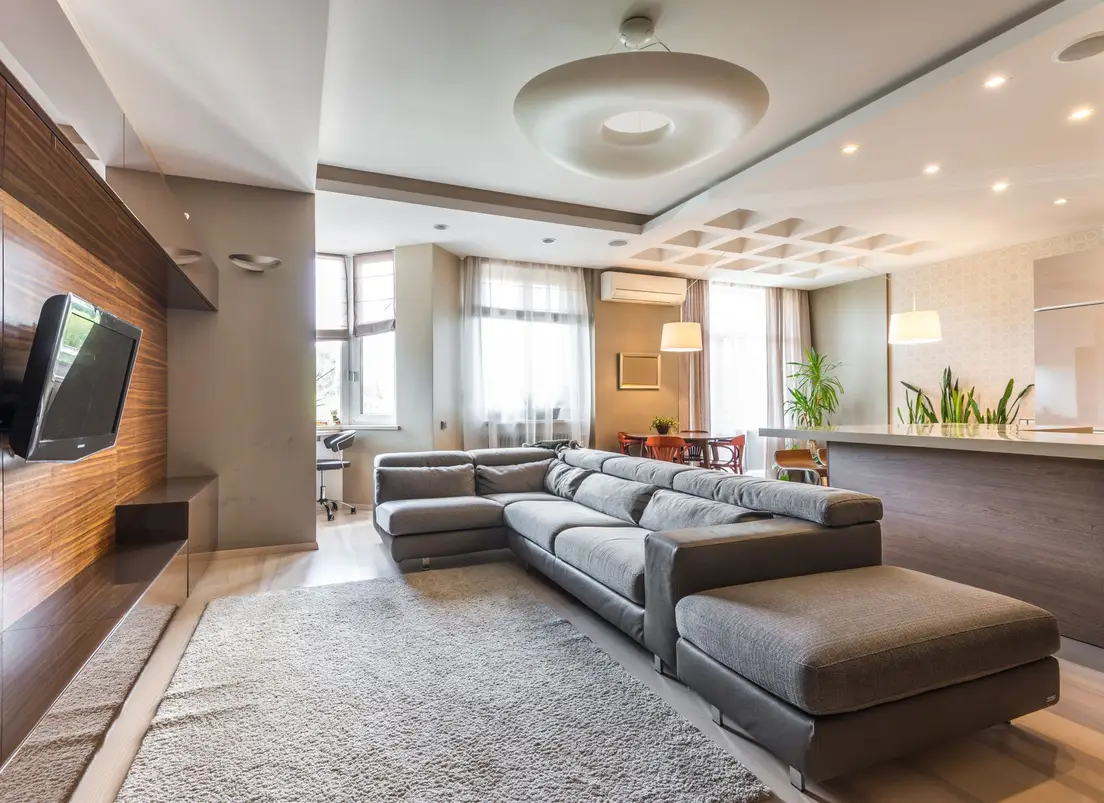
Photo by Max Vakhtbovych on Pexels
Face the Chaise Toward the Room’s Focal Point, Not a Blank Wall
Every sectional layout needs a focal point to aim at — a fireplace, a wall-mounted TV, a window with an actual view — or the whole arrangement reads as furniture parked at random within the room. Face the long side of the sectional, not just the chaise end, toward whatever that focal point is; a chaise angled toward a blank wall wastes the best seat in the entire room.
If the room genuinely doesn’t have a strong focal point yet, build one before rearranging around nothing: a TV console, a gallery wall, even a well-placed floor lamp and a piece of art can do the job. This is worth doing before buying the sectional, not after — a $900 piece facing a blank wall, with nothing to arrange a sectional sofa around, is a returns headache waiting to happen.
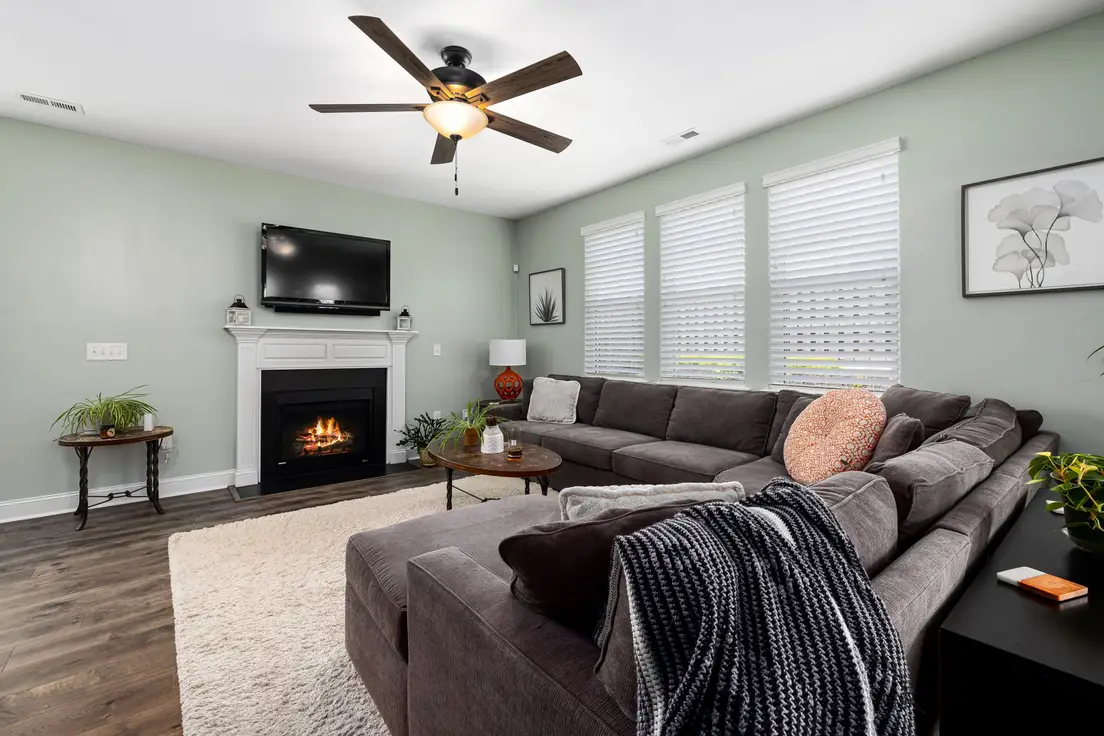
Photo by Curtis Adams on Pexels
Split a Sectional Into Two Pieces for an Awkward Corner
A modular sectional with a separable chaise solves the one layout problem a fixed L-shaped sofa can’t: a room with no clean corner to anchor it in. This is one of the more creative ways to arrange a sectional when nothing else in the room cooperates — split the chaise off and use it as a standalone ottoman or a second seat among a pair of accent chairs, and the remaining sofa section can go flat against whichever wall the room actually has.
This is worth planning for at purchase time, not after — a true modular sectional (sold in separate connected pieces) splits cleanly, while a one-piece L-shaped frame does not. If the room’s layout might change again in a year — a common renter reality — pay the modest premium for modular over fixed. It’s the one splurge worth planning for now instead of buying twice.
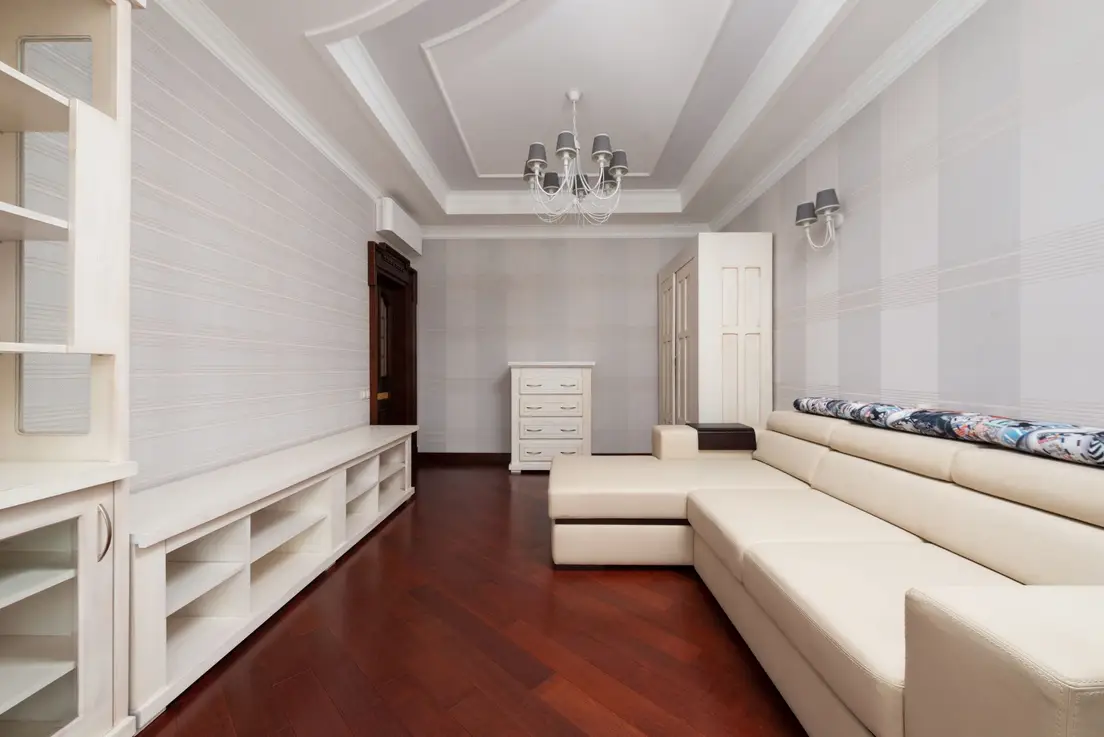
Photo by Max Vakhtbovych on Pexels
Here’s the Honest Math on a Small-Room Sectional
A sectional isn’t automatically the more expensive or more cramped choice for a small living room — it’s usually the better value per square foot, as long as the layout gets picked before the piece does, whether that’s a floating sectional, a wall-run, or a split modular. The mistake isn’t buying a sectional too small; it’s buying one sized for a bigger room and hoping the floor plan cooperates. These small living room sectional layout ideas all solve for the same thing: a stylish and functional room that doesn’t feel smaller for having a big, comfortable sofa in the middle of it.
The $150–400 version
A rug sized to the seating area, a slim console table if the sectional is floating, and a genuinely accurate tape-measure session before anything gets ordered. This alone prevents the two most common returns in this niche: wrong size, wrong wall.
The $700–1,400 version
Add the L-shaped or modular sectional itself on top of the fixes above, sized to two-thirds of its wall and floated with 30+ inches of clearance. A reversible or modular chaise costs more upfront but is the one line item worth the extra $100–200 if the room’s layout is even slightly uncertain.
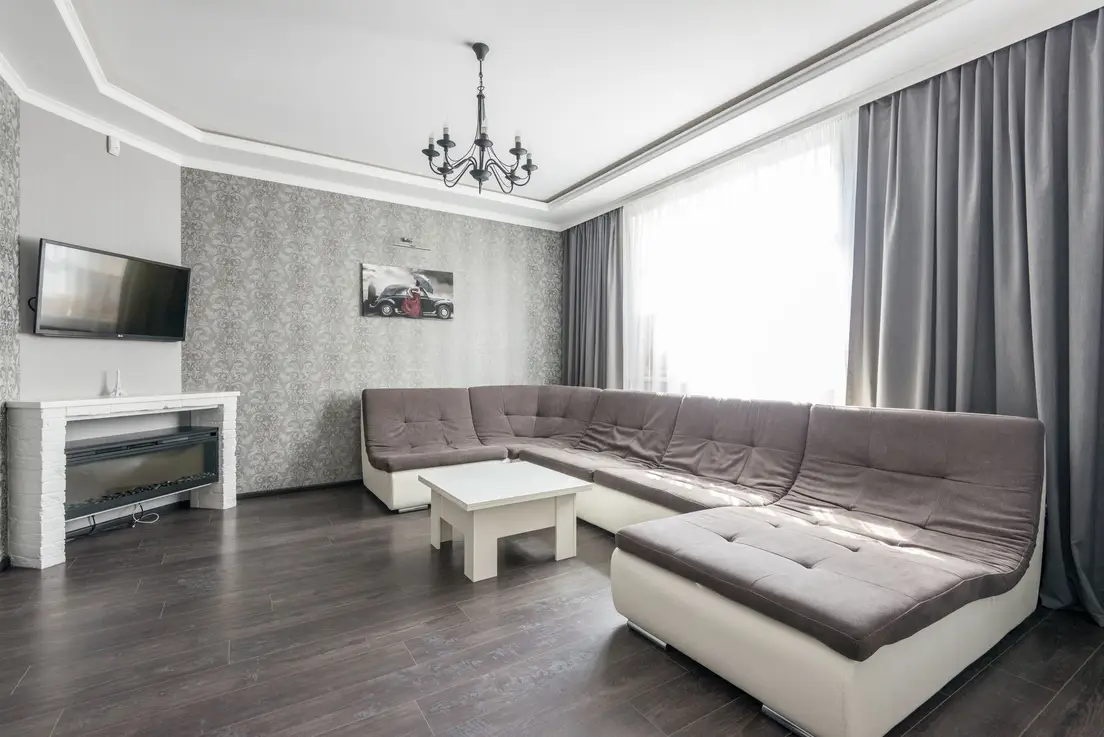
Photo by Max Vakhtbovych on Pexels
Start with the corner. Once the sectional has a real layout to sit in — not just a wall it happened to fit against — everything else on this list is a smaller decision on top of a good one.
Frequently asked questions
What is the 2/3 rule for living rooms?
Your sofa or sectional shouldn't take up more than two-thirds of the wall it sits against — for a 10-foot wall, that's an 80-inch maximum run. It leaves enough wall on either side for a lamp, a console, or just breathing room, so the piece reads as furniture instead of a wall of its own.
What is the best couch layout for a small living room?
An L-shaped sectional tucked into a corner is the best layout for most small living rooms — it uses a corner nothing else can, frees the center of the room for a coffee table and walkway, and gives you a defined seating area instead of pieces scattered along every wall.
Are sectionals good for small living rooms?
Yes, if you size the sectional to the room instead of the other way around. A compact sectional with a seat depth of 20–24 inches actually seats more people per square foot than two separate chairs, since it skips the frames and armrests both chairs would need.
What are some common small living room mistakes?
The two big ones: buying a sectional that eats the whole wall with nothing left for walking room, and pushing every piece of furniture against the perimeter, which leaves a dead, unused zone in the middle. Floating the sectional a few inches off the wall usually fixes both at once.