
Outdoor Entertaining
Backyard BBQ Area Ideas on a Budget
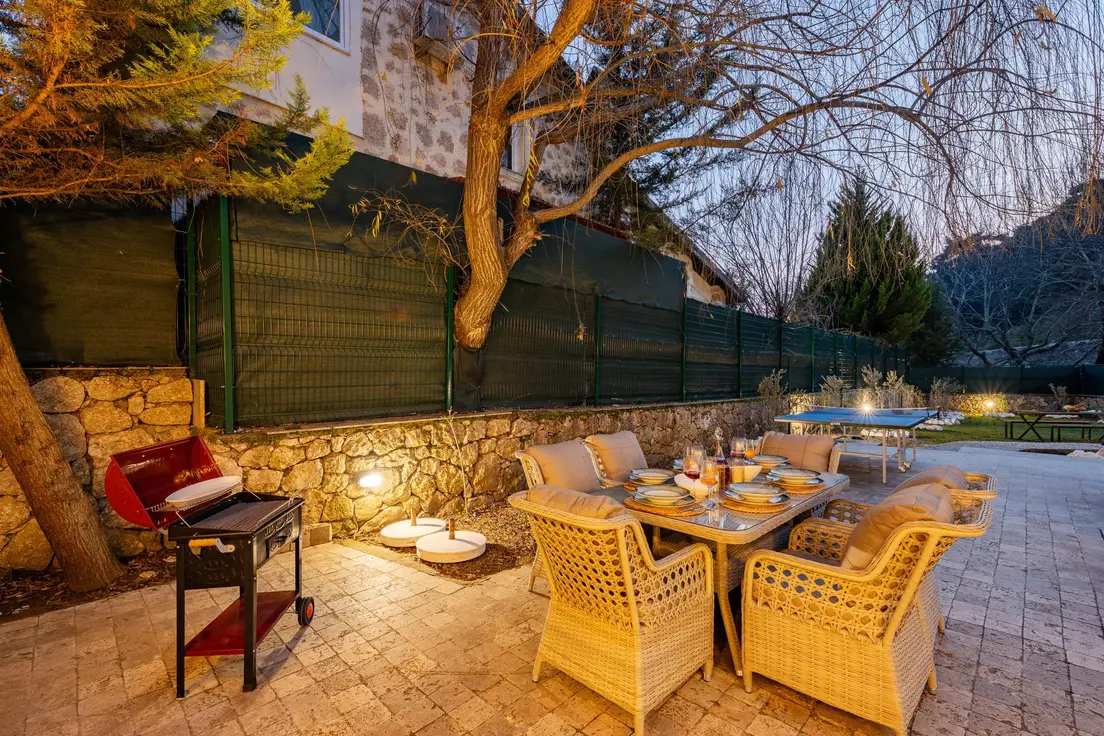
Photo by Ahmet ÇÖTÜR on Pexels
The best backyard BBQ area ideas start with the grill’s location, not the decor — get that one decision right and the prep counter, seating, and lighting around it fall into place on their own. Below are 12 real, buildable ideas for a BBQ area that costs closer to $300 than $3,000, plus the honest math on what a basic setup actually runs. None of these require a full outdoor kitchen island or a contractor — most are a Saturday’s work with a trip to the hardware store, and every idea below works as a standalone upgrade to an existing outdoor living space or a cooking area built from bare patio.
12 budget BBQ area setups at a glance
Concept renders — visual references, not photos of a finished project.
Give the Grill 10 Feet of Clearance Before You Plan Anything Else
Every other decision in this article is downstream of where the grill sits, so start there. The National Fire Protection Association recommends at least 10 feet between a grill and your house, deck railing, or anything else that burns — siding, planters, overhanging branches. A grill pushed right up against the siding is the outdoor equivalent of frying bacon two feet from the smoke detector; the house always wins. Grease buildup left uncleaned turns even a well-placed grill into a fire hazard, so add scraping the grates and emptying the drip tray to your setup checklist, not just an afterthought. The rule applies the same whether it’s a gas grill or a charcoal kettle. Once you’ve got a spot with real clearance and a flat, hard surface underneath, everything else in this outdoor space — counter, seating, shade — gets built around that one outdoor grill.
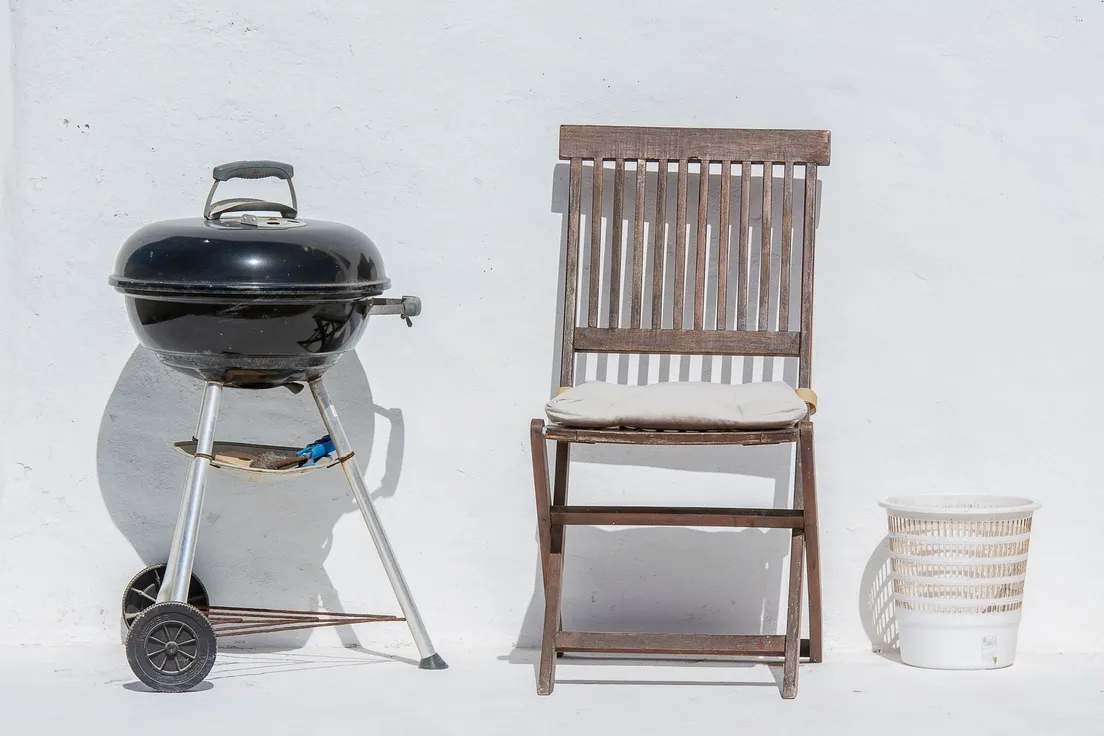
Photo by Jan van der Wolf on Pexels
Add a Simple Prep Counter So You’re Not Cooking Off a Folding Table
A stretch of counter space next to the grill is the single upgrade that makes a BBQ area feel finished instead of improvised. A $25 stainless steel prep table folds flat for winter storage and does the job of a $2,000 built-in counter for anyone not ready to commit to permanent construction — it’s the kitchen area of the whole setup, even at that price. Stainless steel grills and stainless prep tables both shrug off rust better than painted steel in this price range. If you’re building something more fixed, a slab of butcher block or a remnant of outdoor-rated granite from a countertop shop’s scrap pile runs $40–80 and outlasts the laminate countertops from a big-box store’s clearance rack. We’ve balanced a cutting board on a porch railing exactly once, mid-recipe, holding a spatula in the other hand. We do not recommend it.
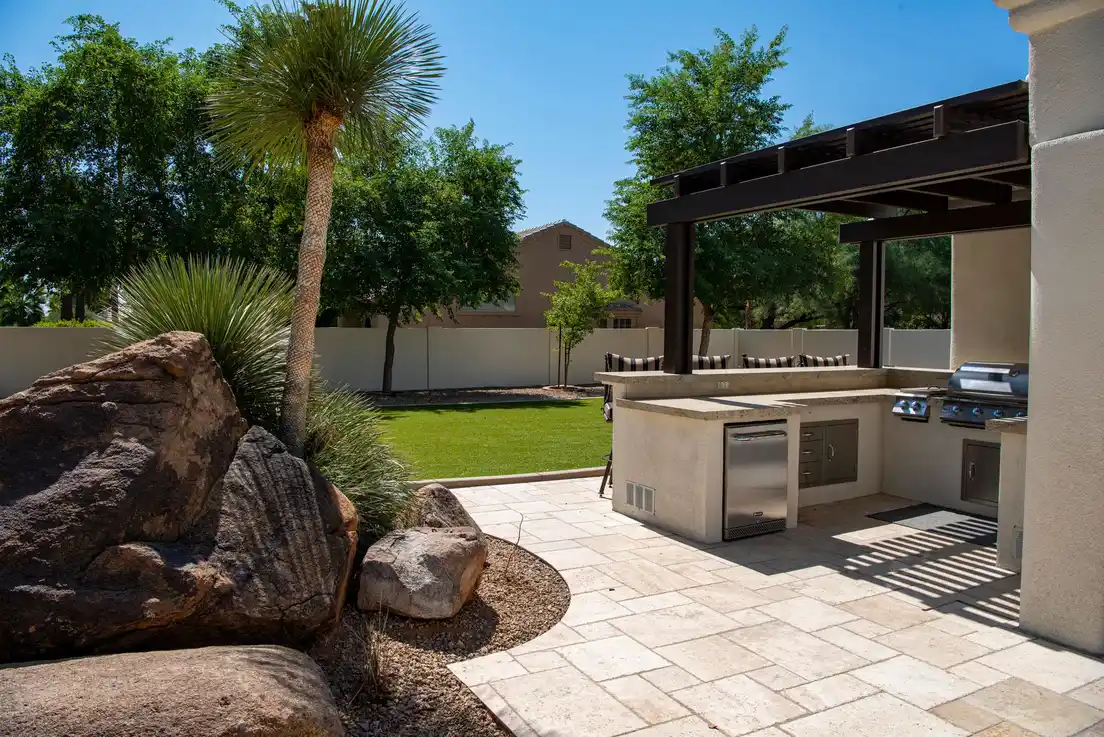
Photo by Derwin Edwards on Pexels
Build a Budget BBQ Island With Stacked Cinder Block
A basic BBQ island doesn’t require a contractor — stacked cinder block, dry-fit or mortared, forms a serviceable frame for a simple outdoor grill station at around $150–250 depending on size. Cap it with concrete or a slab of pavers rather than wood for durability against dropped coals. Left bare, stacked block reads like a parking bollard project; a $30 stucco-look veneer kit or a coat of exterior masonry paint over the same blocks reads like you hired someone. This is a weekend build, not a weekend-and-two-more-weekends build, as long as the footprint stays under about 6 feet — anything bigger starts wanting a real foundation and a permit check with your city, not just a Saturday.
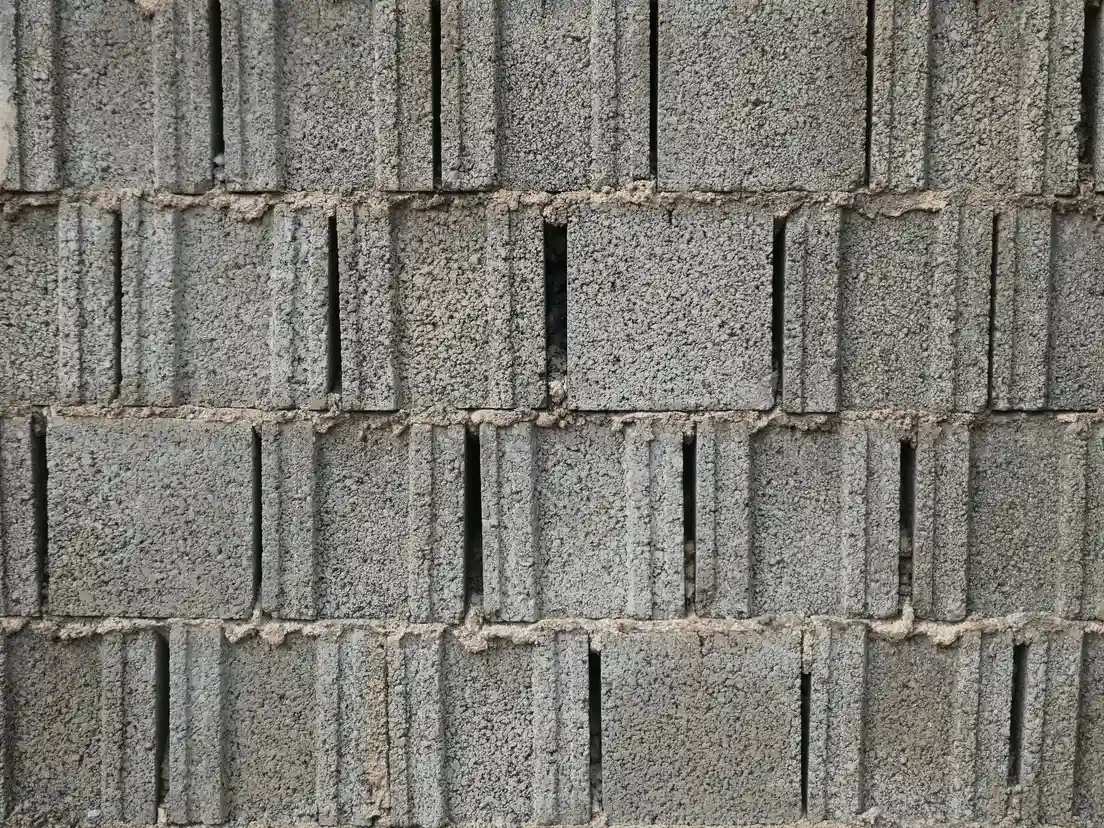
Photo by Huys Photography on Pexels
Put a Pergola or Shade Sail Over the Whole Cooking Zone
A pergola, a pavilion-style frame, or a tensioned shade sail keeps the cook out of direct sun and turns the cooking zone into a real gathering spot after dark, without trapping smoke the way solid overhead structures can — leave the grill itself under open sky or at least 3 feet clear on all sides, even under a pergola’s slats. Check your grill’s manual for its exact clearance number before you build anything overhead. HOAs and property managers regulate outdoor structures more than people expect, and a freestanding shade structure is one of the more common things they flag. A freestanding cedar arbor over a first BBQ station went up on a Saturday and came down the following Tuesday after a very polite HOA letter about fence-line structures over 4 feet — the swap to a shade sail on two properly rated poles passed with zero complaints and looked nearly as good. Check the rules before you buy lumber, not after.
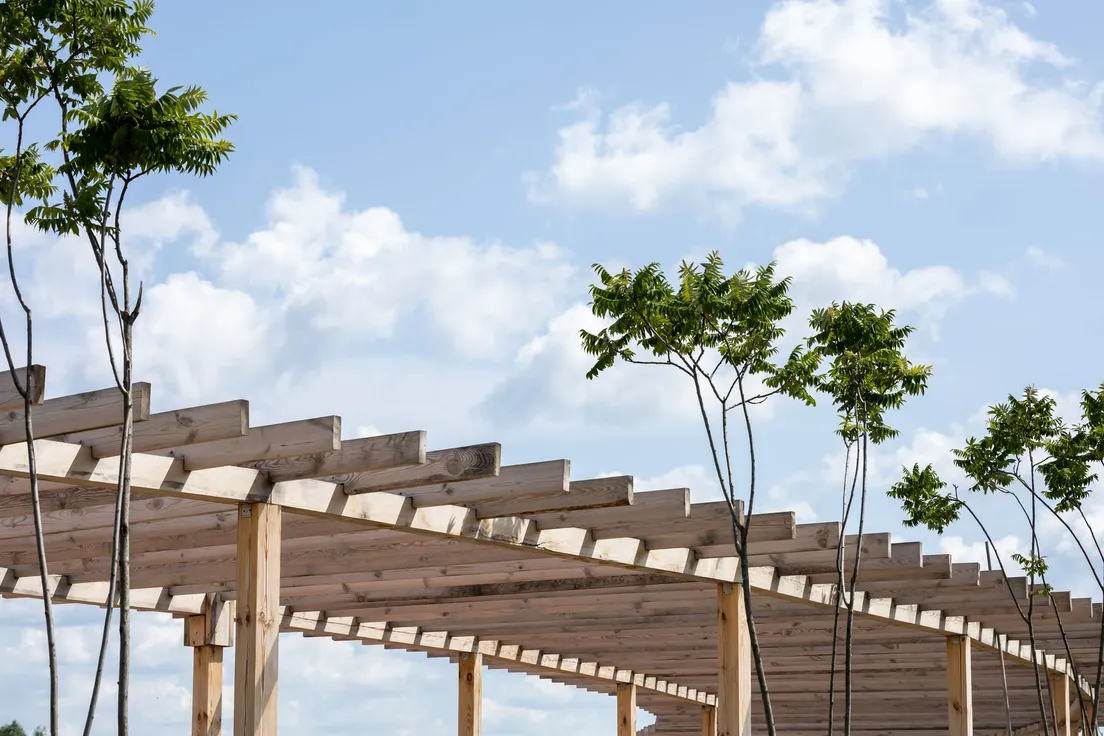
Photo by Яна Леоненко on Pexels
Add Stool Seating So Guests Aren’t Standing Around the Grill
Three or four counter-height stools along the prep counter or a low wall give guests somewhere to land instead of hovering. Four stools around a 24-inch counter is a bar; four people standing in a loose semicircle around the grill, plates in hand, waiting, is just a line that hasn’t been told it’s a line yet. Weatherproof resin or metal stools — patio furniture, not indoor kitchen chairs pulled outside — run $30–50 each and stack easily for winter storage — skip the upholstered barstools built for a kitchen island, since outdoor humidity will ruin the cushion in one season. A low outdoor sofa works too if the BBQ area doubles as a lounge rather than a bar — just keep any soft outdoor furniture out of the grill’s direct smoke line. If the BBQ area sits right next to a dining area, our backyard party ideas guide covers the seating-and-table math for a bigger group in more depth.
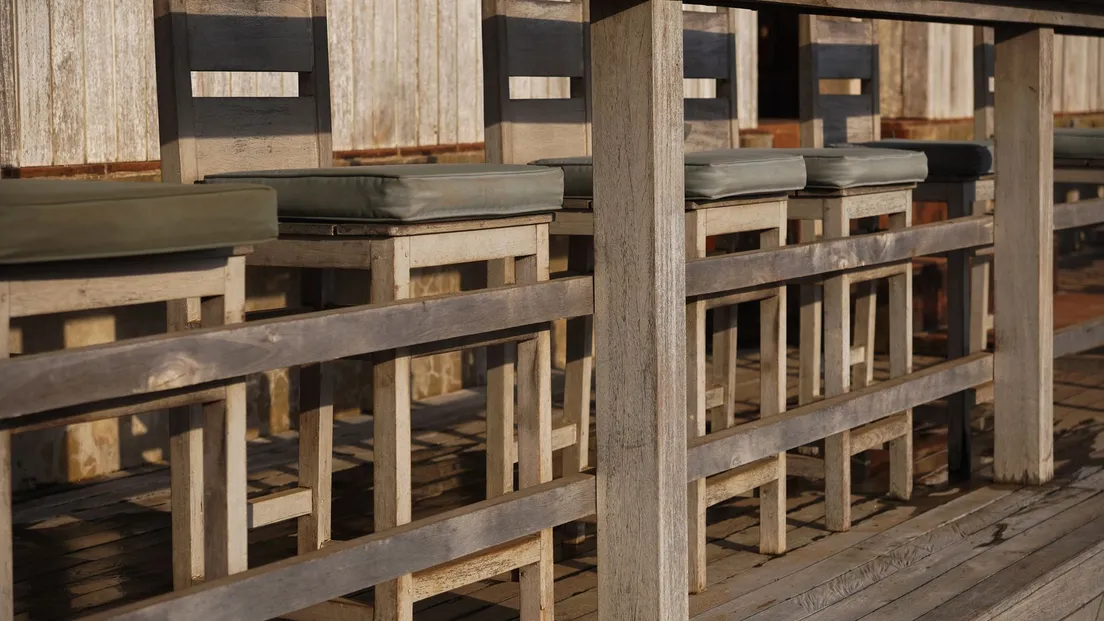
Photo by Tomi Saputra on Pexels
Run Task Lighting Over the Grill, Not Just String Lights Overhead
String lights make a BBQ area look finished after dark, but they don’t put light where the cook actually needs it — on the grates. A single $15–20 battery or solar puck light clipped to the pergola or hood directly over the grill solves the “am I searing this or cremating it” problem string lights never will. Overhead string lights make the whole zone look intentional once the sun’s down; a single bare motion-sensor floodlight makes it look like a police search. A run of LED strips tucked under the counter’s edge adds a second, lower layer of light without another string to run. Layer all three: string lights for the space, one focused light for the grates, strip lighting for the counter — and grilling after dark stops being a guessing game.
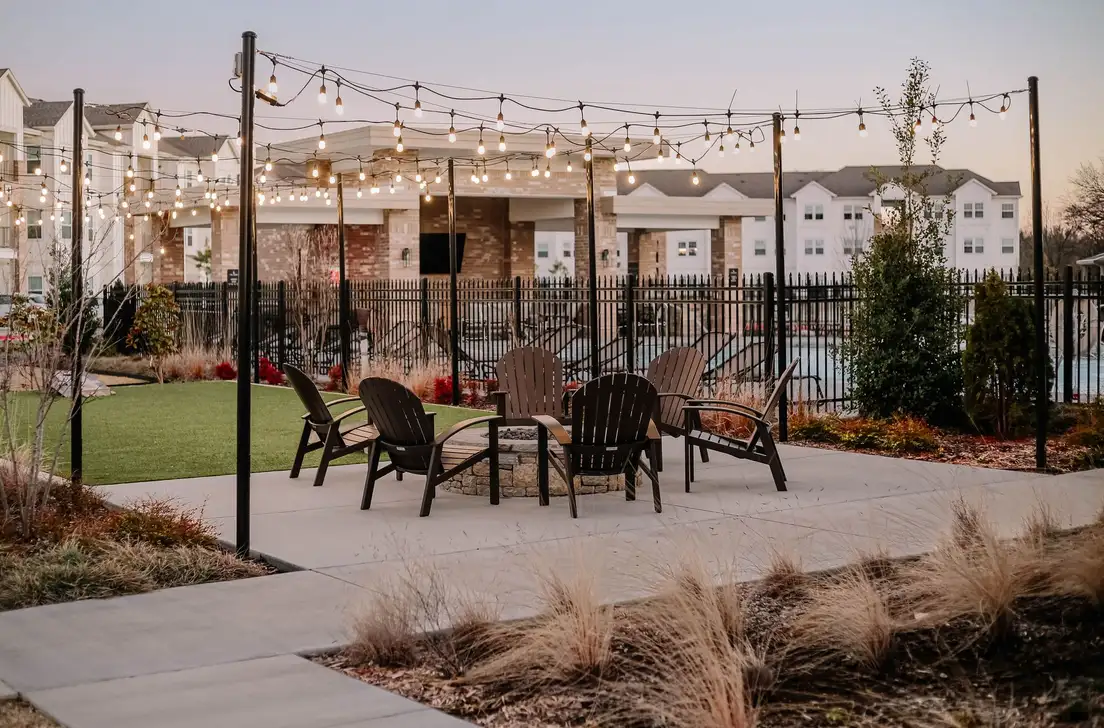
Photo by Daniel Agundiz on Pexels
Lay a Hard Surface Underfoot — Pavers, Concrete, or Natural Stone
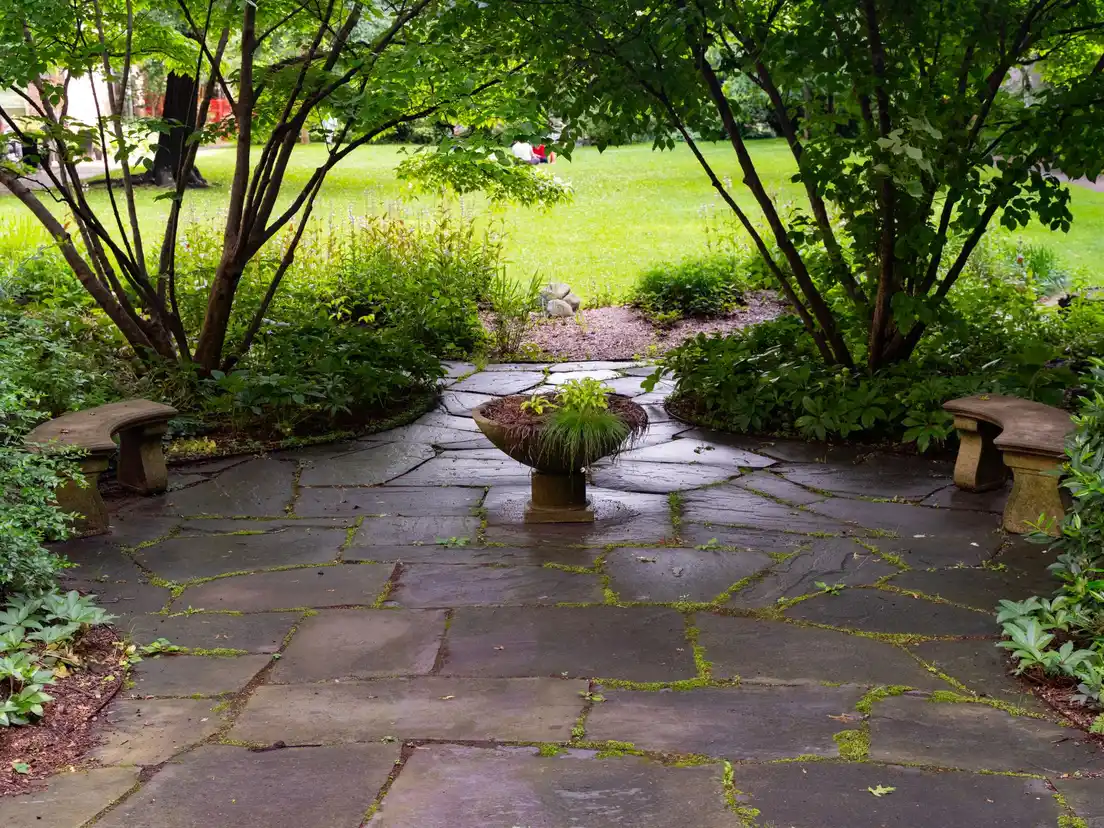
The grill itself needs to sit on flooring that isn’t grass, mulch, or wood decking — grease and dropped coals do real damage to all three. A 4×6-foot pad of concrete pavers ($3–6 per square foot, DIY-laid over a gravel base) is the budget option; poured concrete or natural flagstone cost more but last decades. We’ve hosed grease off a wood deck exactly once and spent the rest of the summer smelling like a diner — concrete, pavers, or stone under the grill specifically, even if the rest of the patio is decking. A short walkway of the same material connecting the grill to the dining area ties the whole outdoor area together visually, and if the BBQ area borders a garden bed, keep the hard surface pulled back a few inches so mulch doesn’t wash onto the pavers after rain. Our free standing patio covers guide covers hard-surface and structural options for the whole footprint if the BBQ area is part of a bigger patio build.
Add Closed, Weatherproof Storage for Tools and the Propane Tank
Tongs, a wire brush, and a half bag of charcoal left out under a tarp turn into a rust-and-mildew problem by the second season. A $60–90 weatherproof deck box or a small cabinet with louvered doors for ventilation keeps tools dry and gets the propane tank out of direct sun — AmeriGas’s propane storage guidance calls for a shaded, well-ventilated spot at least 10 feet from doors, windows, or air intakes, not a sealed box. A propane tank living under a tarp by the back door is one raccoon incident away from becoming a group chat story; a vented cabinet ends the raccoon’s whole subplot before it starts. If the budget stretches further, a small under-counter outdoor refrigerator ($200–400) keeps drinks and marinating meat at the grill instead of on repeat trips through the kitchen door — closed storage does for a BBQ area what cabinets do for an indoor kitchen, keeping clutter out of sight and out of the weather. An outdoor sink is a bigger plumbing project than this budget covers — a genuine next upgrade after storage and a fridge, not a must-have for a basic setup.
Go Small: Compact BBQ Zones for Balconies and Tiny Patios
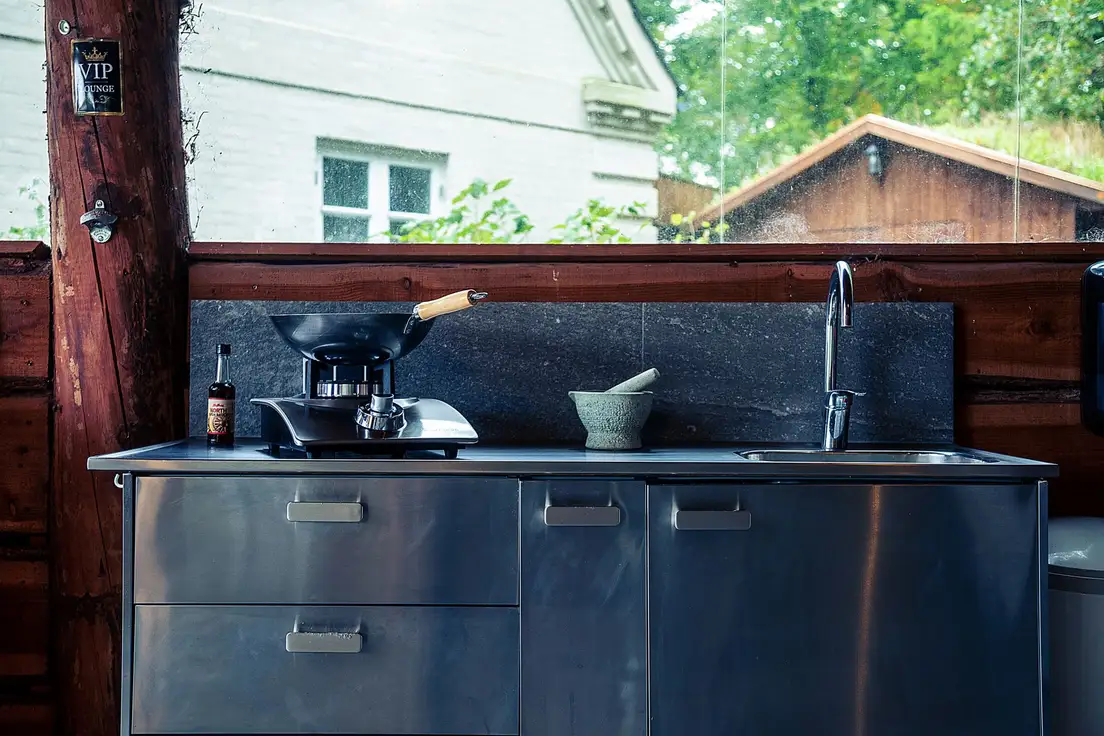
Small outdoor BBQ areas on a 6-foot balcony don’t need a grill island — they need one good tabletop or compact cart grill, a fold-down shelf instead of a full counter, and the confidence to admit a linebacker’s outdoor kitchen was never the plan for this limited space. A modular outdoor cart that breaks down for storage beats a fixed piece on a footprint this size — it holds tools and a side burner without eating floor space, and a slim vertical cabinet or a wall-mounted magnetic rail covers the rest. Check your lease or building rules before buying anything with an open flame — many multifamily buildings restrict charcoal and propane grills on balconies specifically, electric grills are usually the workaround. A collapsible camp table doubles as the counter and folds flat against the railing between uses, which matters more on a balcony than anywhere else on this list — there’s no spare corner to leave it standing.
Add a Pizza Oven or Second Burner If You Actually Cook Outside Often
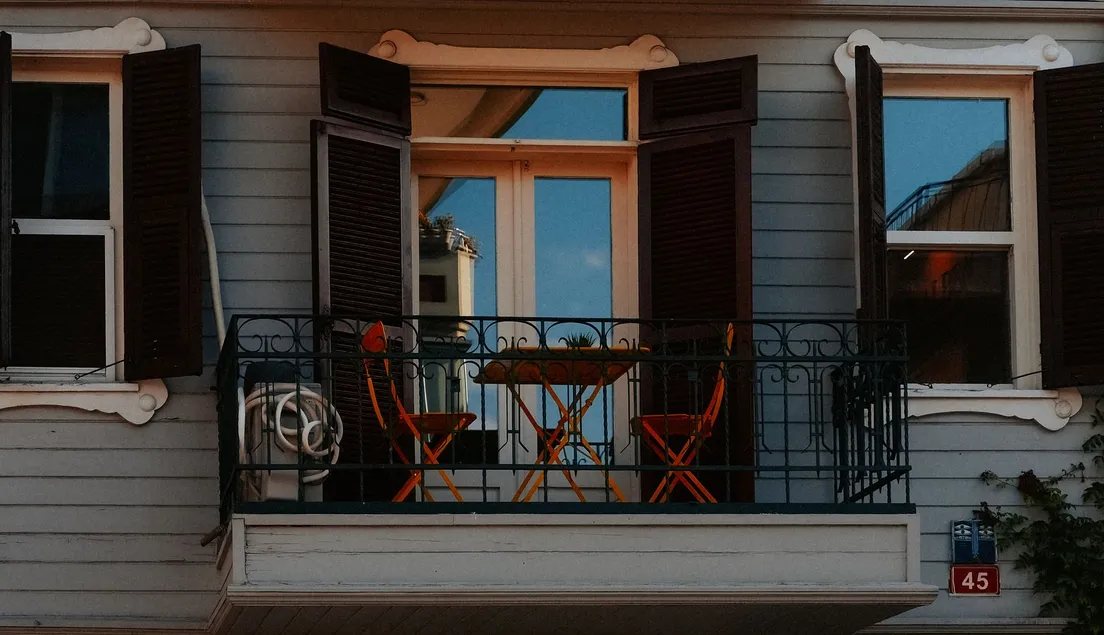
A dedicated side burner ($80–150 as a grill attachment) covers sauces and sides without a trip back inside, expanding the cooking space more cheaply than a full pizza oven does for most people. (Yes, a $650 wood-fired pizza oven is a lot of oven for a backyard that mostly hosts burgers — it’s the one splurge on this list. Everything else here is deliberately cheap.) A countertop pellet grill or kamado setup splits the difference for $300–500 if live-fire cooking is the actual draw, and a compact smoker covers slow-cooked ribs and brisket if that’s more your speed than a wood-fired oven that gets used twice a summer.
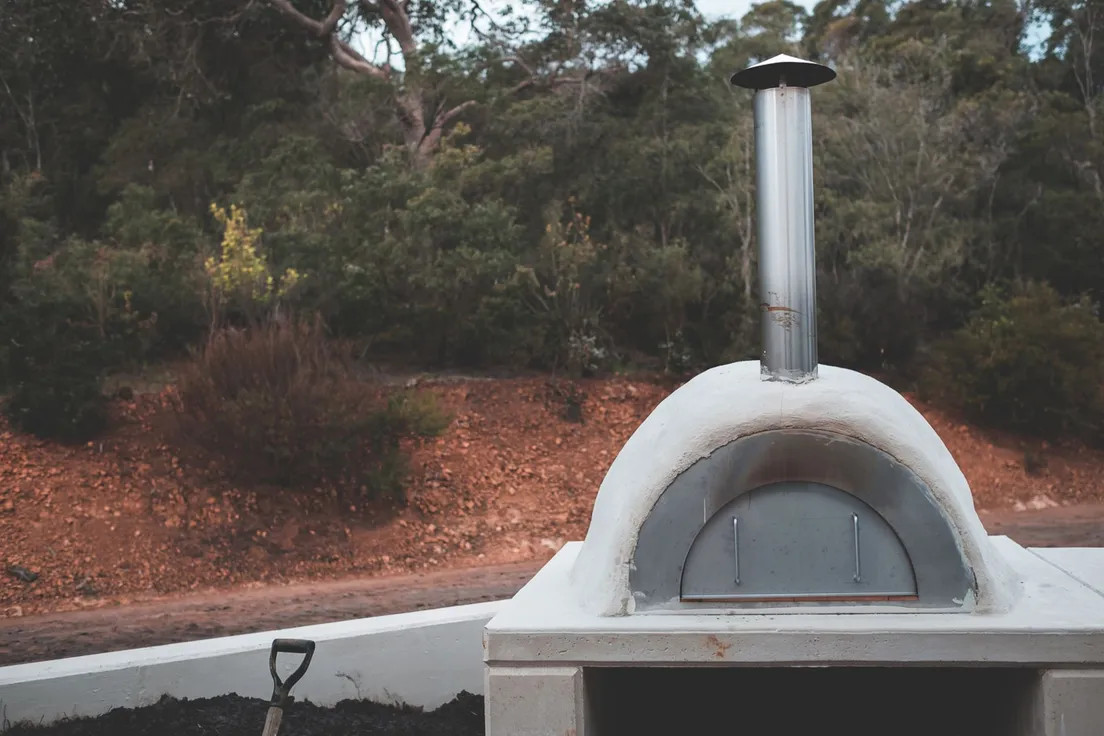
Photo by Lachlan Ross on Pexels
The Honest Math: What a Basic BBQ Area Actually Costs
Here’s the honest math, added up instead of estimated: a $25 folding stainless prep table, a $70 weatherproof storage cabinet, two $40 weatherproof stools, and a $18 clip-on grill light comes to $193 in new purchases — before the grill itself, which most people already own. Add a $200 stacked cinder-block base with a paver cap instead of the folding table and the total moves to $368–418. That’s the real range for a functional BBQ area, not the “starting at” number a patio-kit listing leads with.
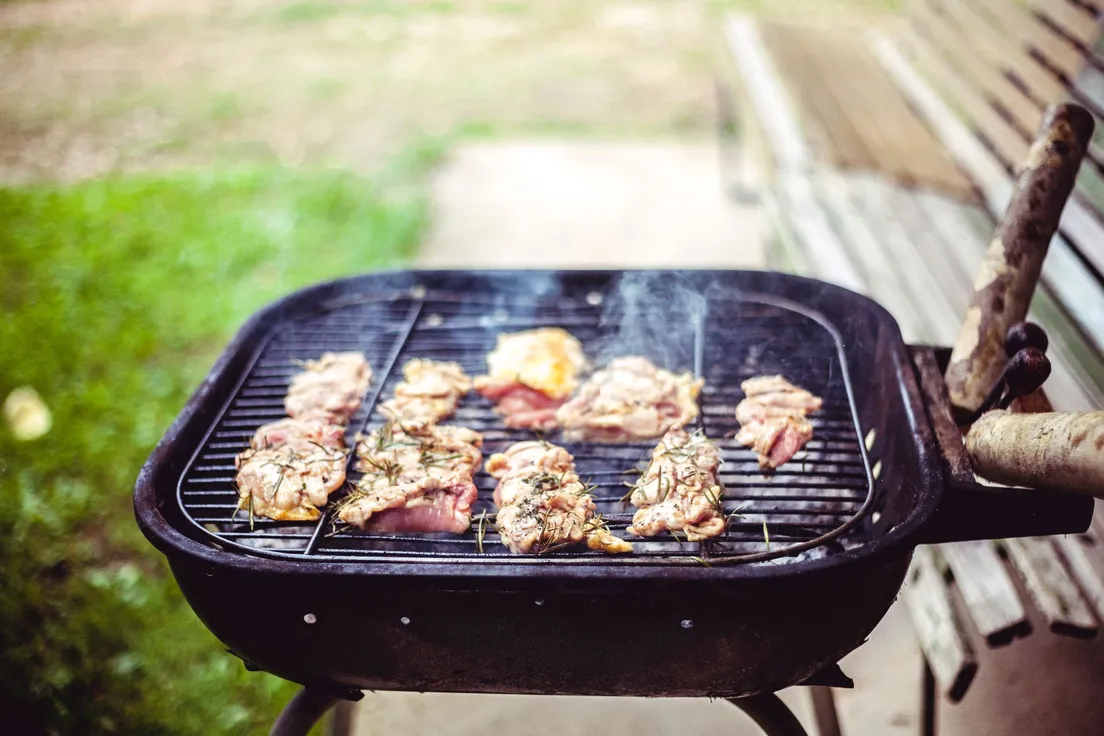
Photo by Francesco Paggiaro on Pexels
Rule of Thumb: How Much Space to Plan Per Guest at the Grill
A grill, a few feet of counter, and standing room for the cook fit in about 6×8 feet — that’s the floor for any BBQ area, even a tiny one. Add stool seating for four and plan on roughly 10×12 feet so the seating doesn’t crowd the cook’s elbow room. A full island with a nearby dining table for six to eight needs closer to 12×16 feet total. Measure the actual footprint of the patio area before buying anything — a counter that looks reasonable in a store aisle can eat half a small patio once it’s actually installed.
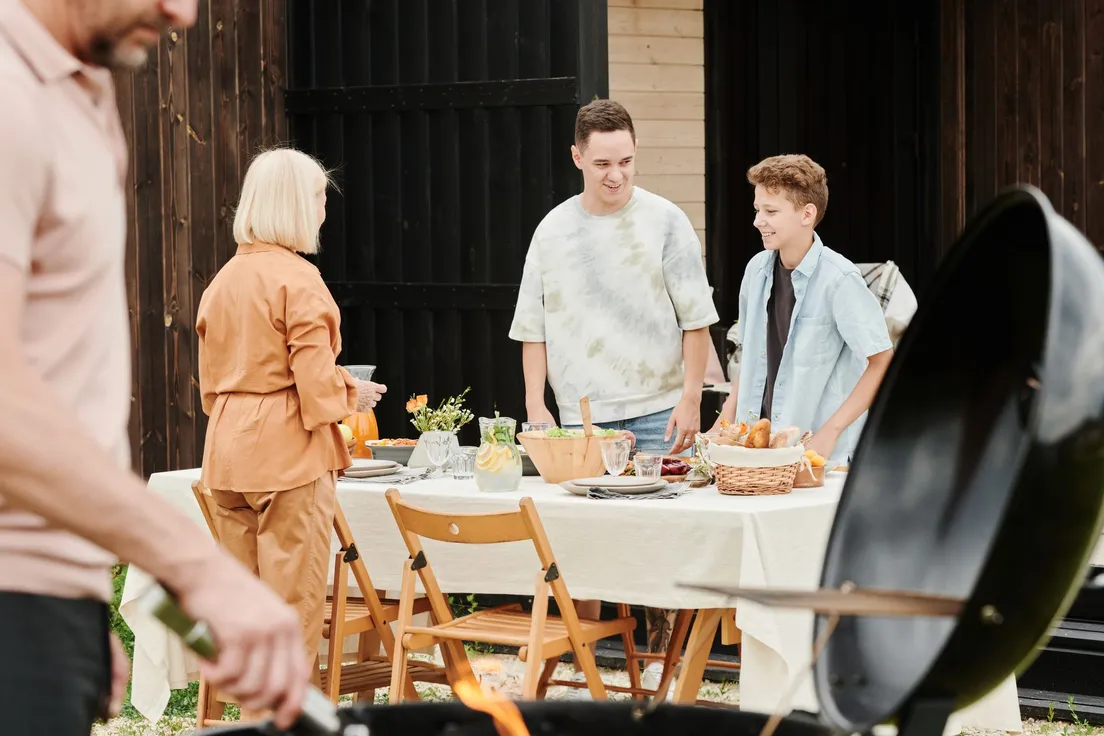
Photo by Julia M Cameron on Pexels
Start with the grill’s clearance, not the decor — every other idea on this list is just furniture around a decision you’ve already made correctly.
Frequently asked questions
How do I create an outdoor barbecue area?
Start with grill placement — at least 10 feet from your house on a hard, level surface — then add a small prep counter, closed storage for tools and propane, and enough seating for however many people actually show up. Lighting and shade come last; the grill's location decides everything else.
What are some ideas for a covered outdoor BBQ area?
A pergola with an optional shade sail or retractable canopy covers the cooking zone without blocking smoke the way a solid roof can. Keep at least 3 feet of open clearance above and around the grill itself, even under a pergola — check your grill's manual for the exact number.
What are some ideas for a small BBQ area?
A tabletop or compact cart grill, a fold-down shelf instead of a full counter, and vertical storage (a slim cabinet or a wall-mounted rail for tools) fit a balcony or a narrow side yard. Skip the built-in island — a small space doesn't need a smaller version of a big idea.
How much space do you need for a BBQ area?
A basic setup — grill, a few feet of counter, and standing room for the cook — fits in about 6×8 feet. Add seating for four and that grows to roughly 10×12 feet; a full island with a dining table nearby is closer to 12×16 feet.
What accessories are essential for an outdoor BBQ area?
A prep surface, a closed storage cabinet for tools and propane, task lighting over the grill itself (not just ambient string lights), and a fire extinguisher or box of baking soda within reach. Everything past that — a pizza oven, a sink, a fridge — is an upgrade, not a requirement.