
Bedroom
Cozy Bedroom Makeover Ideas on a Budget
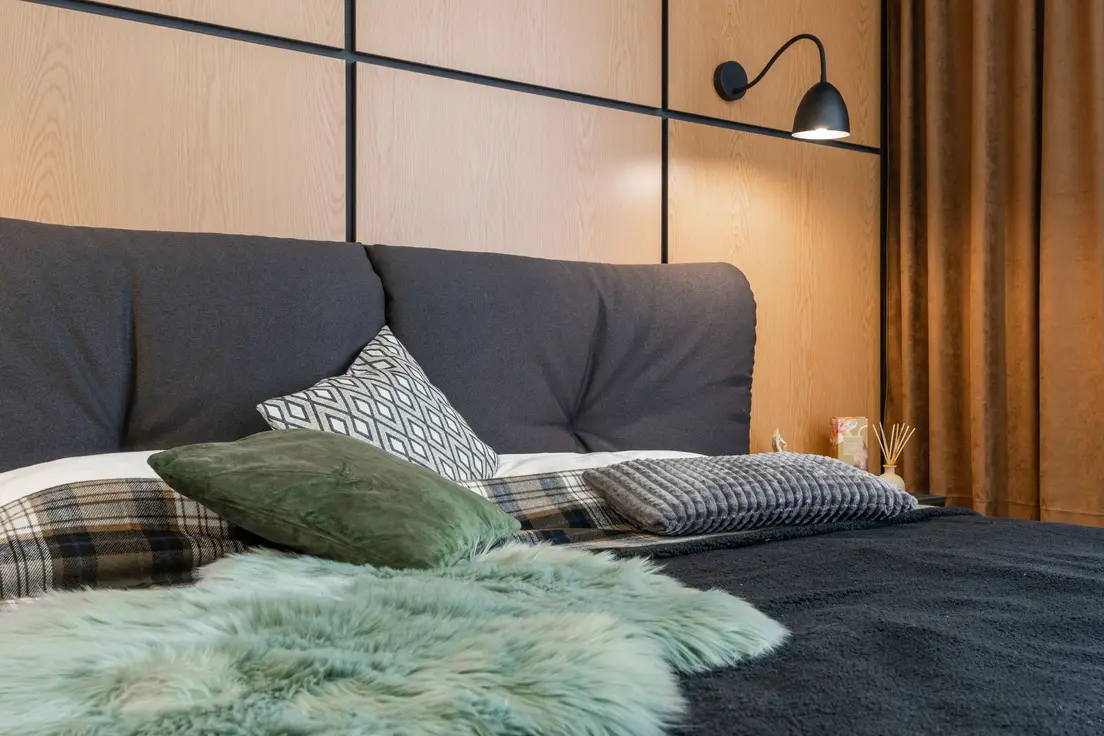
Photo by Max Vakhtbovych on Pexels
The fastest cozy bedroom makeover ideas on a budget all do the same job: add texture, warm up the light, and stop the room from reading like a hotel room nobody’s checked into yet. None of the ten ideas below need new furniture or a weekend of drilling — most are under $100 each, and the honest math at the end adds every real price into one number instead of leaving you to guess.
These are decor and DIY projects both, not just a shopping list — some are an evening of screwing in bulbs, others are a weekend of painting furniture, and none of them require a contractor. For the broader master-bedroom version of this same budget-DIY approach, our master bedroom ideas guide covers more ground room by room, and our small-room layout guide is the version for anyone working with less square footage.
8 cozy bedroom makeover ideas at a glance
Concept renders — visual references, not photos of a finished project.
Layer Bedding in Three Textures for an Instant Warm Upgrade
Layering bedding in three distinct textures does more to make a bedroom feel finished than any single new decor purchase, furniture included. Start with a quilted or waffle-weave coverlet ($58, a linen duvet cover is the upgrade version), add two textured throw pillow covers in bouclé or corduroy ($16 each), and fold a chunky knit blanket across the foot of the bed if there’s room left in the budget. A small vase with a few dried stems on the dresser finishes the same layered look for under $10. The rule of thumb: if you can name the fabric with your eyes closed, it’s doing its job — flat, single-texture bedding is the fastest way to make a room look like it’s between tenants.
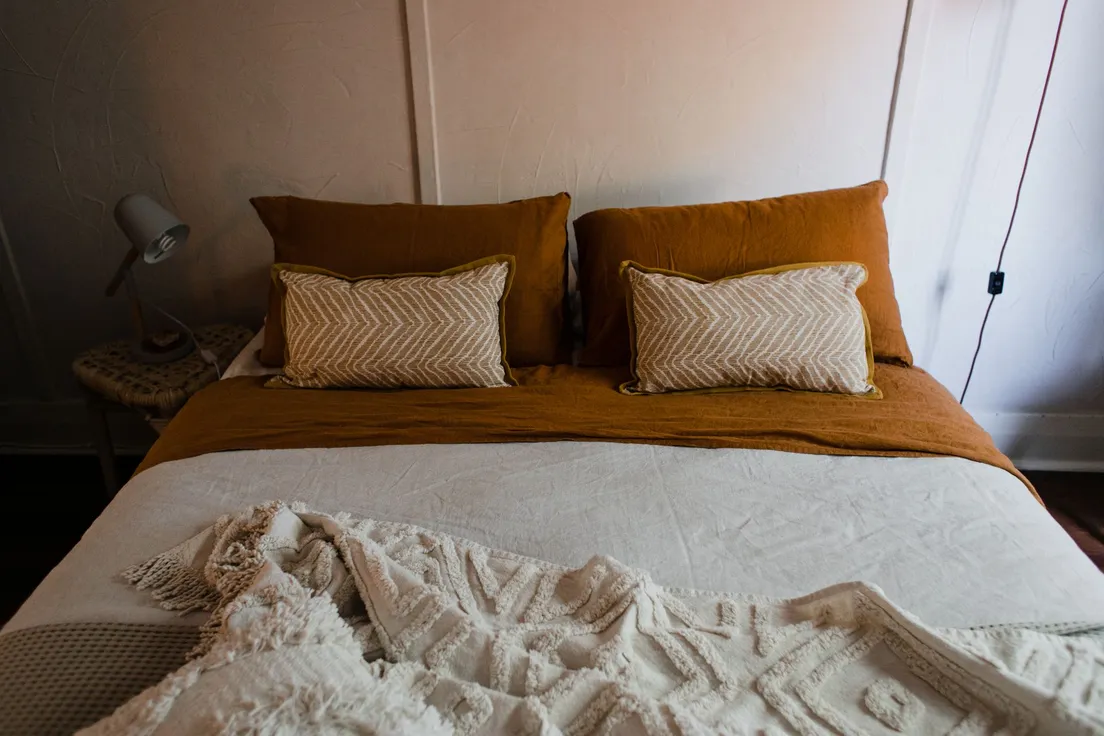
Photo by Rachel Claire on Pexels
Swap the Overhead Light for Warm, Layered Lighting
A single ceiling fixture running builder-grade 4000K bulbs is the single biggest reason a bedroom reads cold no matter what’s on the bed. Swap every bulb in the room to warm 2700K ($9 each for three) and add one ceramic or woven table lamp on the nightstand ($38) so the room has a second, softer light source once the overhead goes off — this warm-lighting swap is the same trick an interior designer reaches for before recommending a single new piece of furniture. Nobody needs a chandelier to fix a cold-looking bedroom; they need the right color temperature. (We’ve made the mistake of buying “warm white” bulbs that were actually 3000K — check the Kelvin number on the box, not just the word “warm.”)
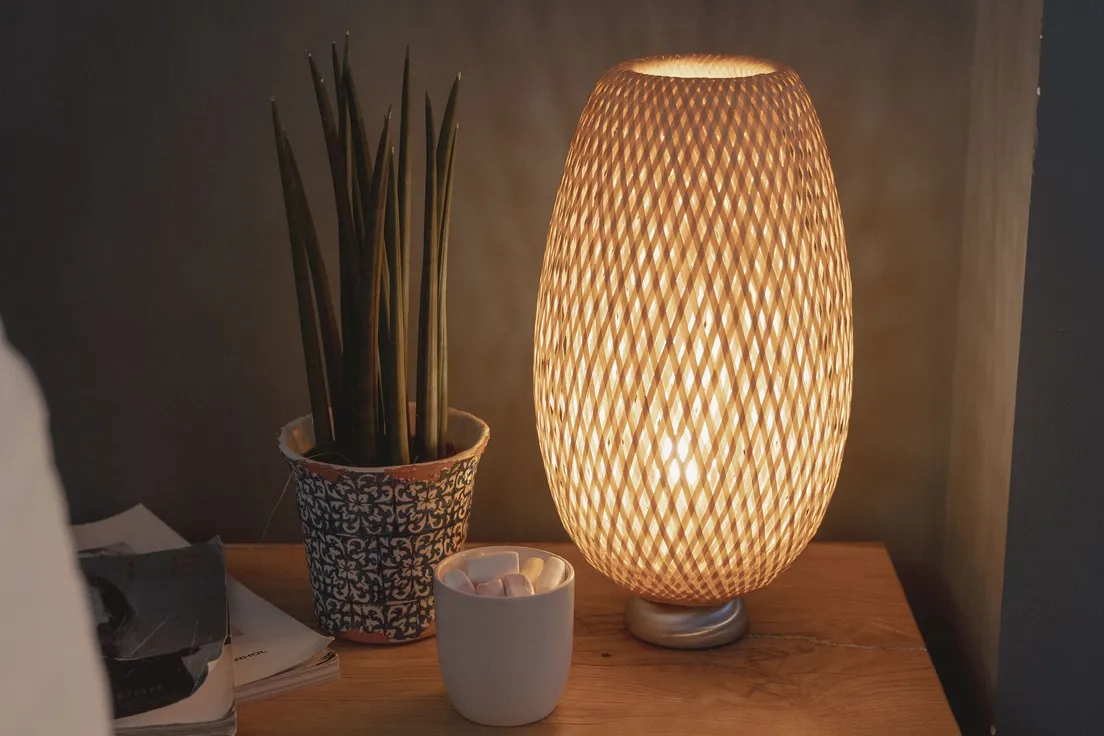
Photo by Tima Miroshnichenko on Pexels
Build a Budget Headboard That Looks Like a $400 One
A plain mattress-and-frame with nothing behind it reads unfinished even with great bedding on top, and no other single fix makes a builder-grade bedroom look expensive as fast as a real headboard does. A floating wood-shelf headboard — one wide board mounted at pillow height, with a second narrower shelf above it as a mini bookcase for books and a lamp — runs $85 in materials for a queen-width board, brackets, and stain, versus $250–450 for a comparable upholstered headboard at retail. Mount it a few inches wider than the bed itself so it reads as the room’s focal point; a headboard sized exactly to the mattress reads like an afterthought, not a feature. It’s the closest this list gets to an actual HGTV before-and-after — no film crew, no host, just a drill and one Saturday afternoon.
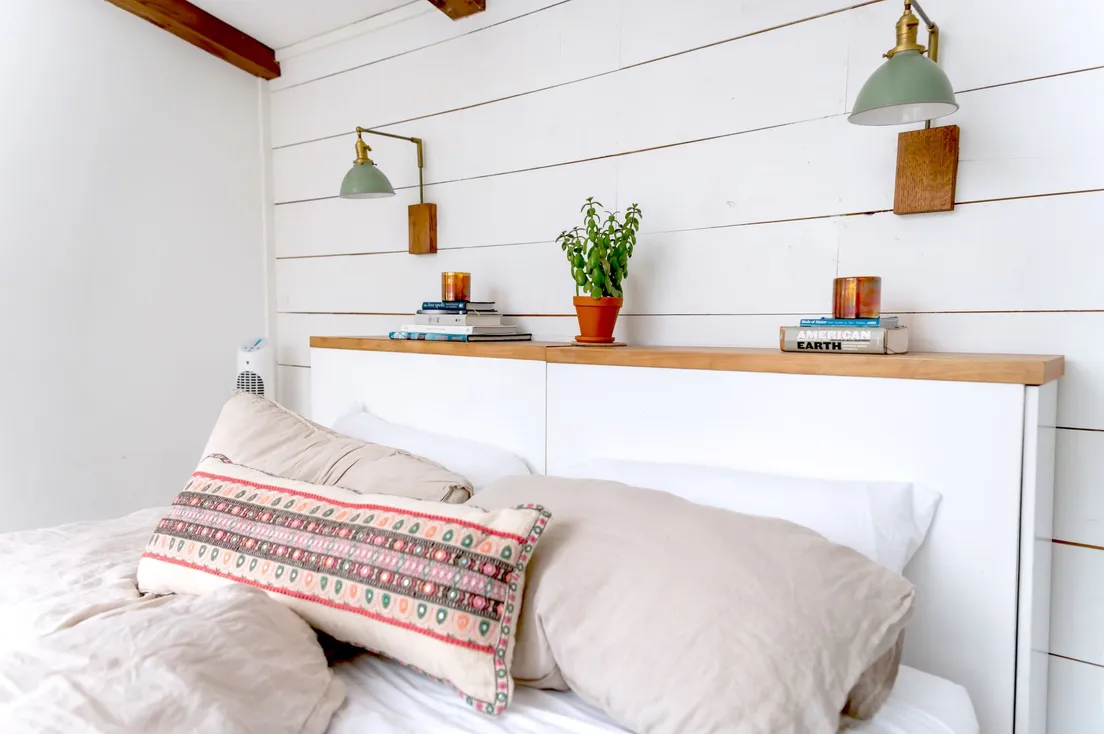
Photo by Andrea Davis on Pexels
Anchor the Room With an Area Rug, Even a Small One
A rug is almost always the highest-leverage first purchase in any room, bedrooms included — it does more to make a space look finished than any other single item, and even a bedroom with wall-to-wall carpet benefits from one layered on top to break up the flat, single-texture floor. An 8×10 rug positioned so the front third slides under the bed runs $120–180 in a budget-friendly weave; a smaller runner on just one side of the bed works for $40–60 if the full rug isn’t in the budget yet. Either way, front legs of any chair or bench on the rug, same rule that applies in a living room — floating in the middle of the floor is what makes a rug look like an afterthought instead of flooring.
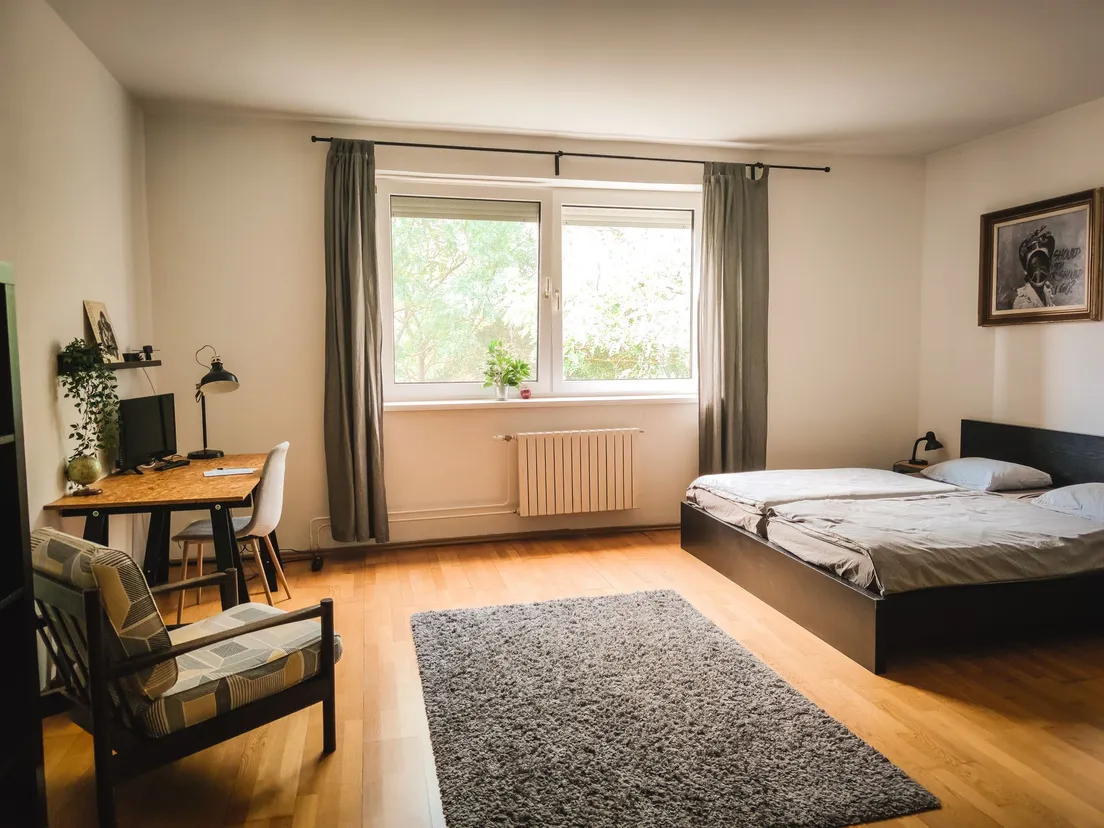
Photo by Pham Ngoc Anh on Pexels
Hang Curtains High and Wide to Fake Bigger Windows
Curtain rods mounted right at the top of the window frame make both the window and the room look smaller than they are, and most builder-grade window treatments do exactly that by default. Mount the rod 4–6 inches above the frame and a few inches wider on each side ($22 for a basic rod), then hang two panels long enough to just graze the floor ($19 each) — a lighter fabric keeps the natural light coming in during the day, and full-length panels give you privacy at night without a heavier blackout layer. The window doesn’t get any bigger — the wall around it just stops competing with it for attention, which is most of what “warm and finished” actually means in a rental with builder-grade trim.
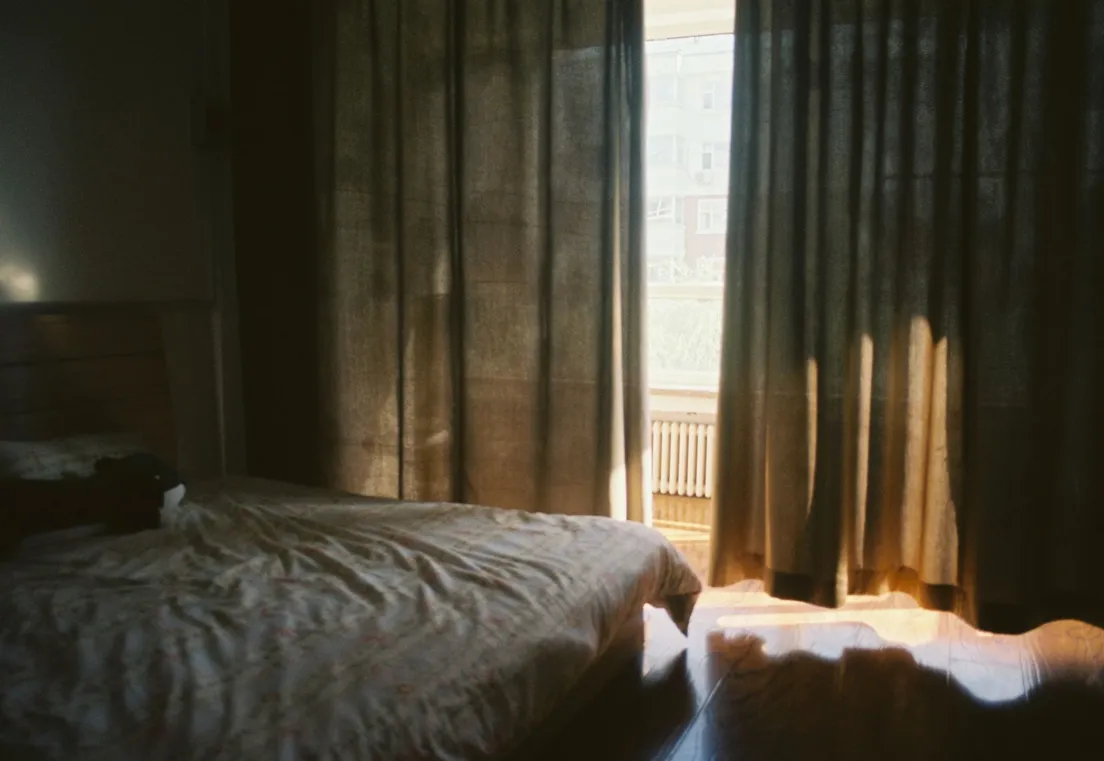
Photo by zheng liang on Pexels
Paint One Accent Wall Behind the Bed
One wall in a genuinely saturated color behind the headboard does more to make a bedroom feel intentional than four walls in the same safe off-white. Benjamin Moore’s own accent-wall guidance recommends going a few shades darker than the surrounding walls for a color palette that reads as deliberate, not random — a gallon of accent-wall paint runs about $34 and covers a standard bedroom wall in two coats. Renters can get most of the same effect with a peel-and-stick wallpaper panel instead ($28 per roll, two rolls for a queen-width wall) if a full repaint isn’t allowed. Hang one framed print or canvas on the new wall once it’s dry and the whole thing reads cohesive instead of like a leftover paint sample.
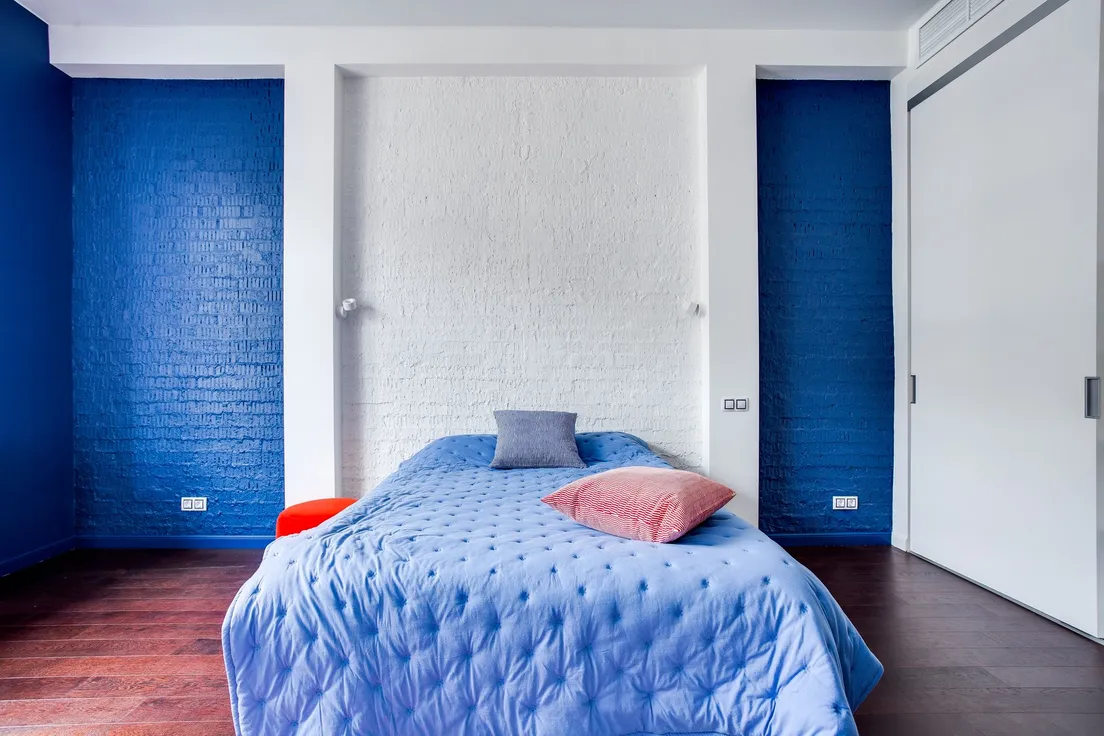
Photo by Алан Албегов on Pexels
Give Old Furniture a Weekend Paint Refresh
A scuffed oak-toned dresser from the early 2000s is one of the five builder-grade tells everyone recognizes, and repainting it is almost always smarter than replacing it. A quart of furniture paint plus a foam roller runs about $32 and covers a standard five-drawer dresser in two coats over a weekend, versus $300–600 for a comparable new bedroom furniture piece. The same trick works on a wardrobe, a bookcase, or any other wood furniture pieces in the room that share the same dated finish — do them all in one weekend for one stylish, matching look. Swap the hardware while it’s apart — new knobs run $3–6 each and do as much visual work as the paint itself.
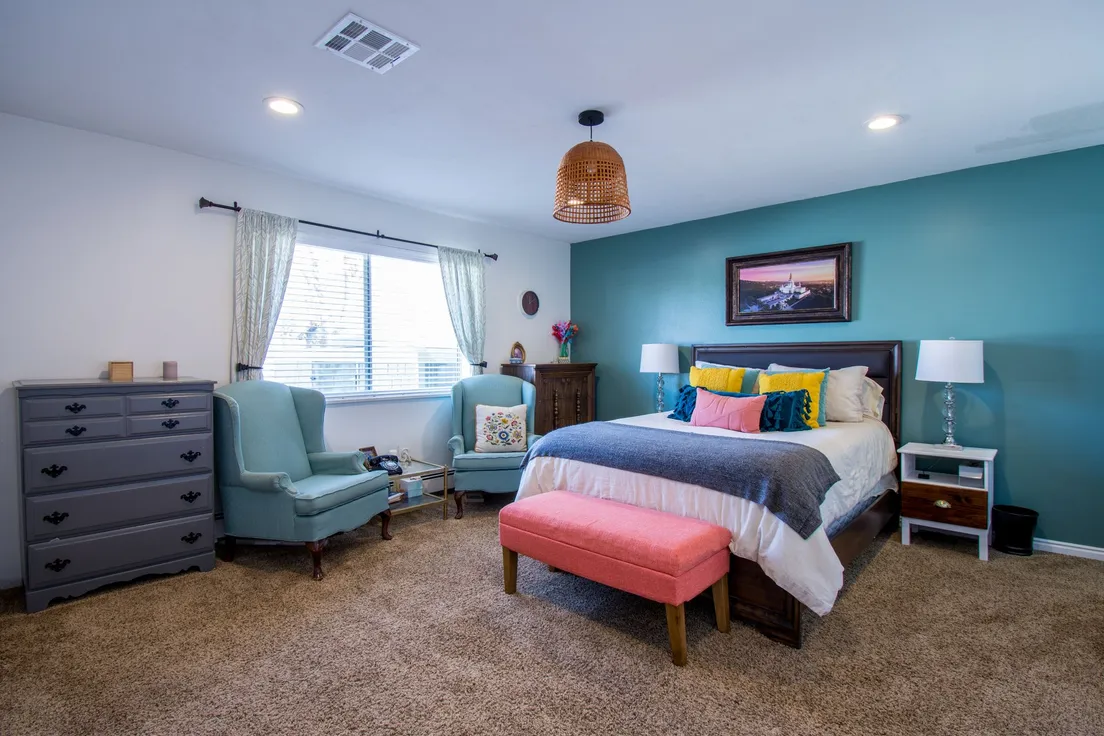
Photo by Get Lost Mike on Pexels
Layer a Mattress Topper Before You Blame the Whole Bed
A mattress that’s merely a few years past its prime doesn’t always need full replacement — a memory foam or down-alternative topper (from $60–120 at the time of writing on Amazon) adds an entirely different sleep feel for a fraction of the $600-plus a new mattress costs, and Sleep Foundation’s mattress-lifespan guidance puts a typical topper’s own useful life at three to five years, so it’s a real fix, not a stopgap. Never recommend the pricier option when the cheaper one solves the same problem: a topper is the cheaper option here, and it works. A mattress-in-a-box topper we ordered once sat rolled up in the hallway for four days because nobody wanted to deal with unboxing it alone — turns out unrolling it is a two-person, ten-minute job, and the hard part was entirely psychological.
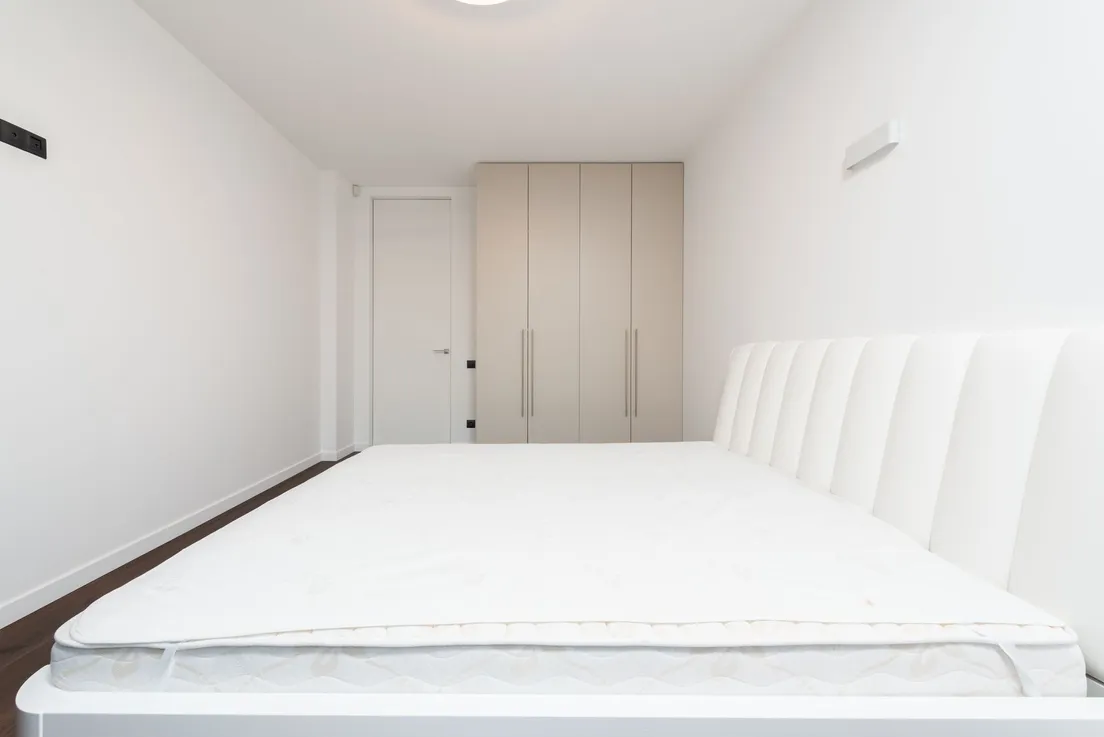
Photo by Max Vakhtbovych on Pexels
Clear the Nightstands Down to a Lamp and One Stack of Books
A bedside table covered in chargers, receipts, and half-empty water glasses undoes every other idea on this list in one glance. Clear it down to a lamp, one small tray for the everyday stuff (glasses, rings, chapstick), and a stack of two or three books — that’s it, no new decor required. This is the one idea on this list that costs nothing but a few minutes, and it’s usually the difference between a nightstand that looks styled and one that looks abandoned mid-Tuesday.
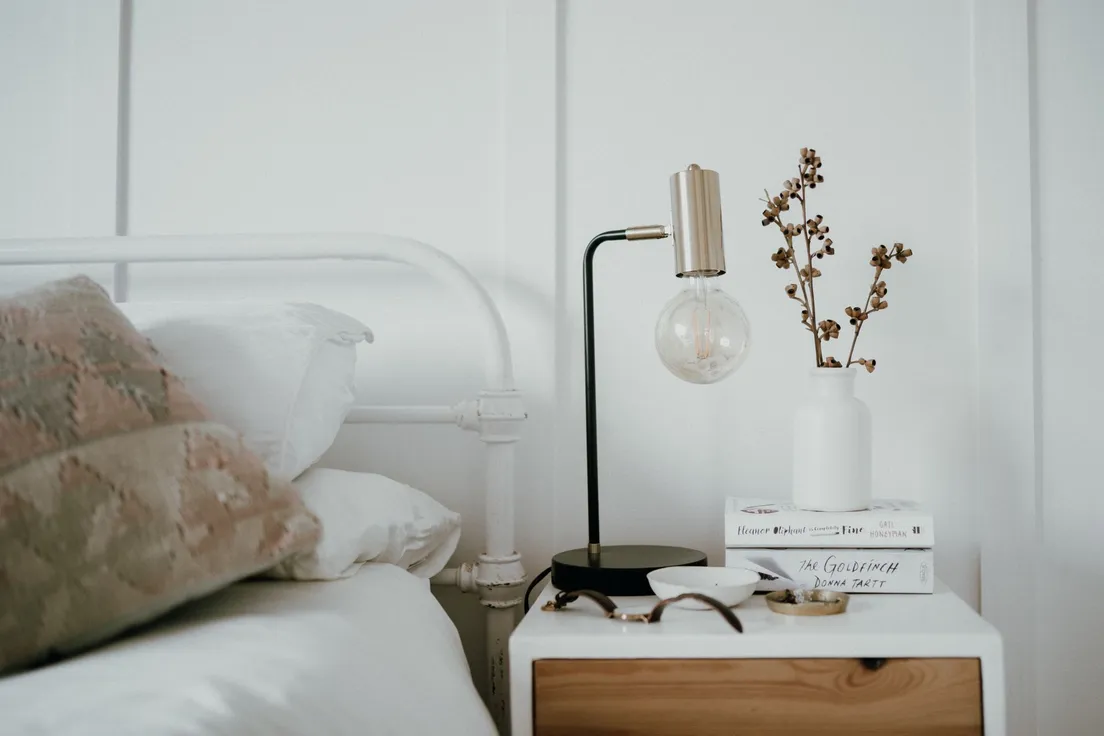
Photo by Taryn Elliott on Pexels
Bring in a Few Plants for Warmth Without the Water Duty
A bedroom with zero living (or living-adjacent) texture reads sterile even with all the bedding and lighting fixes above. A real snake plant tolerates low light and irregular watering better than almost anything else sold as a houseplant ($15–25), which makes it the low-maintenance default for a north-facing bedroom window. A dim rental bedroom with no real window light is real-plant murder, not a design failure — a good faux fiddle-leaf fig ($42) covers that case honestly, no apology needed.
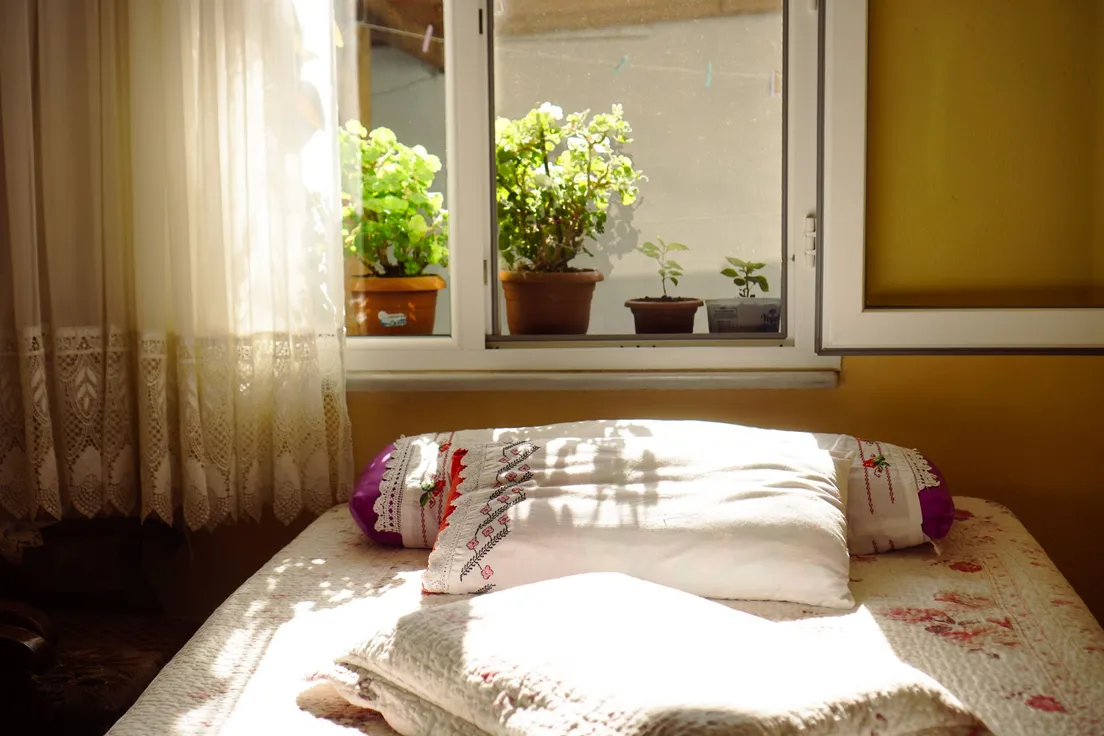
Photo by İrem Yılmaztürk on Pexels
The Honest Math: A Full Bedroom Makeover for About $257 to Start
Here’s the honest math, added up instead of estimated — proof you can make your bedroom feel different without breaking the bank: layered bedding ($90), warm lighting ($65), curtains high and wide ($60), and a faux plant ($42) — plus $0 for clearing the nightstands — comes to $257 for the four cheapest, highest-impact ideas on this list. Add an 8×10 area rug ($150), one accent wall ($34), and a DIY floating headboard ($85) and the number moves to $526 for a genuinely finished room. Do every idea here, mattress topper and furniture refresh included, and it tops out around $653 — still less than the cost of one new mattress alone.

Rule of Thumb: Start With Light and Layers, Not Furniture
If you’re only doing one thing, do the bedding and the bulbs first — together they’re $155, they take one evening, and they change the room more per dollar than anything else on this list. Paint and lighting solve more problems than new furniture does, the same rule that applies in any room, and a bedroom makes that rule obvious fast: a $9 warm bulb changes how the whole space feels in the time it takes to screw it in, where a new $600 dresser changes exactly one corner. Once light and texture are handled, the rug and the accent wall are what turn “better” into “finished.” Decorating a bedroom in that order — light and layers first, everything else after — is the one rule of thumb worth remembering from this whole list.
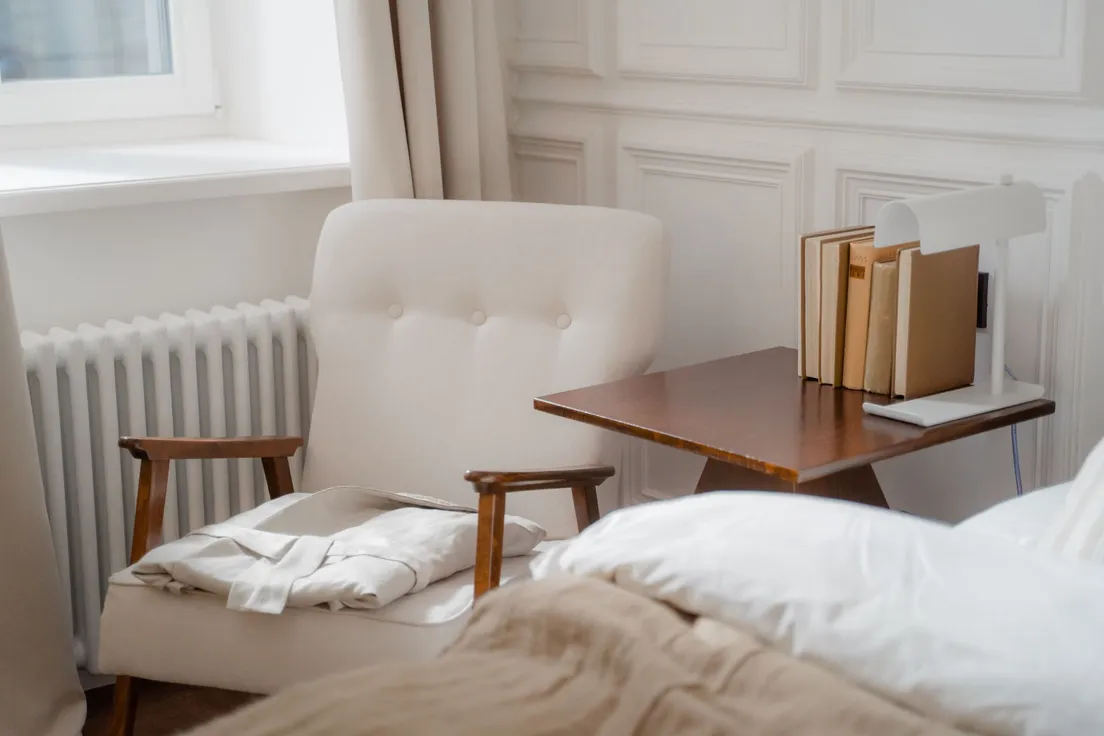
Start with the bedding and the bulbs. Everything else on this list looks more deliberate once the room already feels warm instead of just furnished.
Frequently asked questions
What is the cheapest way to make over a bedroom?
Layer three textures of bedding (a quilt, two throw pillow covers, one blanket) and swap the bulbs to warm 2700K. Both fit under $100 combined, take one evening, and change how the whole room feels before you buy a single piece of furniture.
What are some ideas for a low-budget bedroom makeover?
Layer bedding textures, swap to warm lighting, hang curtains higher and wider than the window, add one area rug, and paint one accent wall. All five are under $150 each and don't require moving furniture or hiring anyone — a full weekend, not a full renovation.
What can I add to my bedroom to make it more cozy?
Texture does more than color: a chunky knit blanket, a couple of textured pillow covers, and a soft area rug underfoot all read as warmer and more finished than a fresh coat of paint alone. Warm-toned lighting (2700K bulbs, not the builder-grade 4000K) matters just as much as anything you buy.
How can I make my small bedroom feel cozier on a budget?
Go bigger than feels reasonable on the rug and curtain rod — a too-small rug or a rod mounted right at the window frame makes a small room feel more cramped, not less. Beyond that, the same layered-bedding and warm-lighting fixes that work in any bedroom apply here too, no size-specific product needed.
What textiles and fabrics can I use to make my bedroom cozier?
A quilted or waffle-weave coverlet, two textured throw pillow covers (bouclé, corduroy, or chunky knit), and one soft area rug cover the highest-impact textures for the least money. Add a folded throw blanket at the foot of the bed if there's budget left over — it's the cheapest texture layer on this whole list.