
Backyard & Patio
How to Winterize Patio Furniture: Clean, Dry, Cover
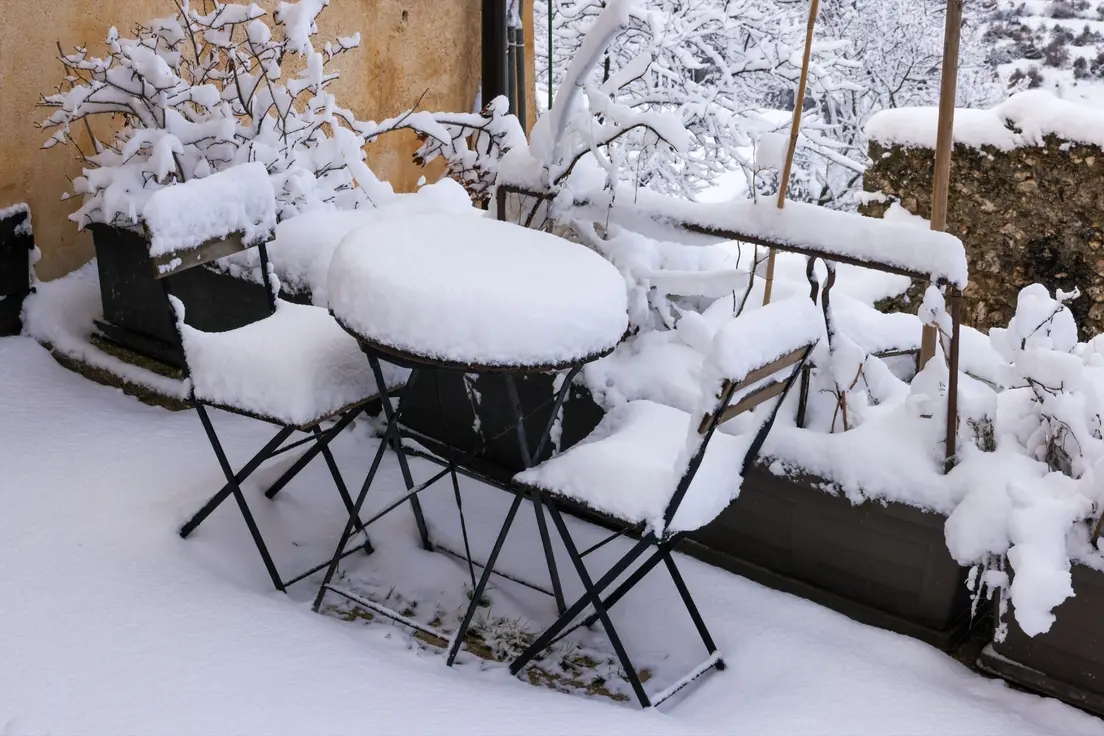
Photo by Magda Ehlers on Pexels
To winterize patio furniture, clean it, dry it completely, move the cushions indoors and either store the frames in a garage or shed or put a snug, breathable cover over them. Do it before the first hard freeze. Cold, snow and ice damage outdoor furniture left outside, which is why indoors beats a cover.
Below is how to protect your outdoor furniture through the winter months: where to store each piece, which materials can be left outside, a five-step clean-and-dry routine, cushion storage, protective covers and a checklist for the weekend you do it.
Where should you store patio furniture for the winter season?
Store it indoors if you can, and cover it only if you can’t. South Dakota State University Extension says cold temperatures, snow and ice can damage outdoor furniture and grills, and recommends the garage or basement, with furniture covers as the fallback when there is no room. Freezing temperatures turn trapped moisture into ice, which is the winter damage you find in spring.
Storing furniture indoors beats every cover on the market. The garage or shed is the first choice, the basement is the second, and a cover is the fallback. Lean folding chairs against a wall or hang them, and stack only pieces the manufacturer labels as stackable. Lightweight furniture also blows around in winter storms, so a covered or stored set stays put. Disconnect the propane tank from a fire pit table before it goes anywhere.
No storage at all? A roof over your outdoor space still helps. Under a freestanding patio cover the frames stay out of the snow, though not out of the cold, so the cleaning and cover steps below still apply. Our free-standing patio cover makeover shows one built for a backyard slab.

Photo by Magda Ehlers on Pexels
Which patio furniture can be left outside in winter?
Recycled-plastic (HDPE) and teak furniture can be left outside year-round. Cushions, glass tops and plastic chairs in freezing weather should go indoors. Polywood’s care guide says HDPE and teak need no protective step, and a cover retailer, Coverstore, warns that freezing makes plastic brittle.
| Material | Winter spot | Before winter |
|---|---|---|
| HDPE (recycled plastic) | Can stay out | Rinse, especially after road or rock salt |
| Teak | Can stay out | Clean; oiling is optional |
| Aluminum patio furniture | Cover or store | Wash, touch up scratches, remove foot caps and dry the drainage holes |
| Metal furniture: wrought iron, steel | Cover or store | Wire-brush rust, touch up paint, thin coat of car wax |
| Resin wicker furniture | Cover | Hose down, dry |
| Natural wicker or rattan | Inside | Wash as little as possible, keep dry |
| Wooden furniture, painted or sealed | Cover or store | Scrub, dry fully, reseal |
| Plastic chairs | Inside if it freezes | Wash, dry |
| Glass tabletops | Inside | Replace a cracked top; freeze-thaw widens cracks |
Metal furniture rusts, wooden furniture needs a sealed finish and wicker furniture dislikes standing moisture, so each material gets different prep. Buying a new set? Material decides how much of this you will do every fall.
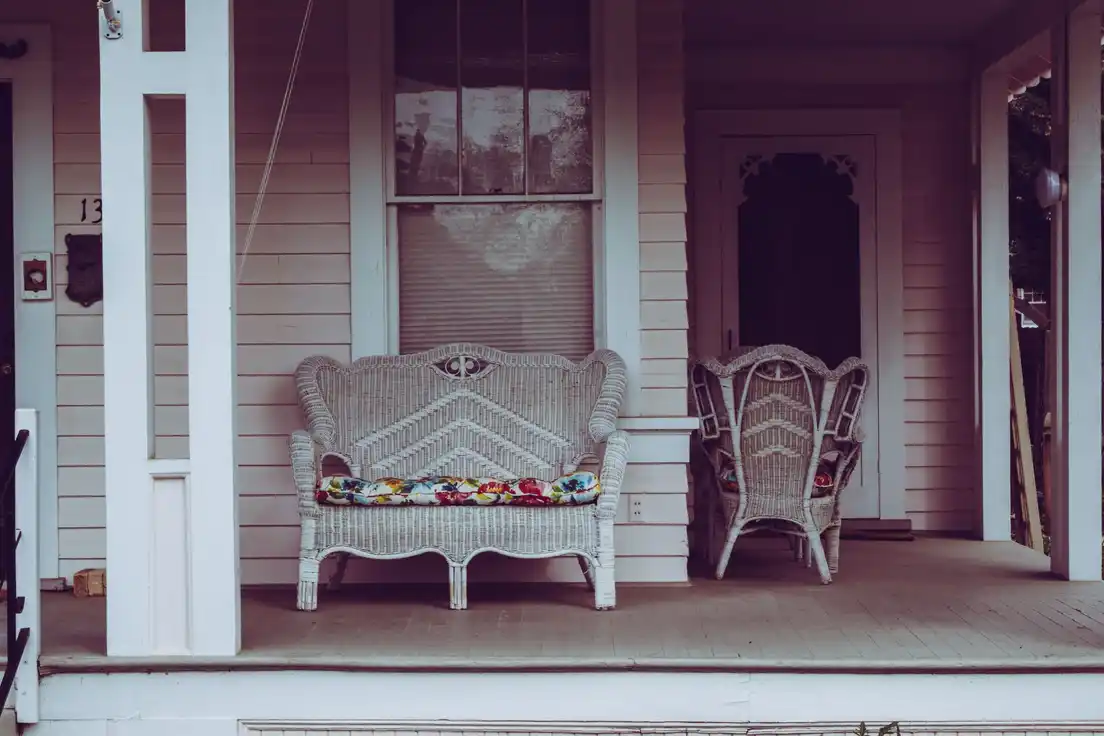
Photo by Brett Sayles on Pexels
How do you clean and dry patio furniture before winter storage?
Scrub it, inspect it, dry it, and only then store or cover it. These steps to protect your furniture extend its life, and skipping the scrub means you will meet the mildew again in spring, now with seniority.
- Scrub every piece with mild dish soap, warm water and a sponge.
- Inspect for damage and fix small problems now. Replace rusted fasteners with rustproof ones, and check the warranty before any repair that could void it.
- Treat rust on metal: wire-brush it, touch up the paint, then add car wax or a silicone spray.
- Dry everything completely. Water left in aluminum drainage holes can freeze and weaken the frame, so remove the foot caps and let it drain.
- Rinse off salt. If rock salt reached a metal piece, rinse it with warm water and towel it dry.
Keep it clean and dry, then cover. Wet coatings stick to covers, and trapped moisture grows mold and mildew.
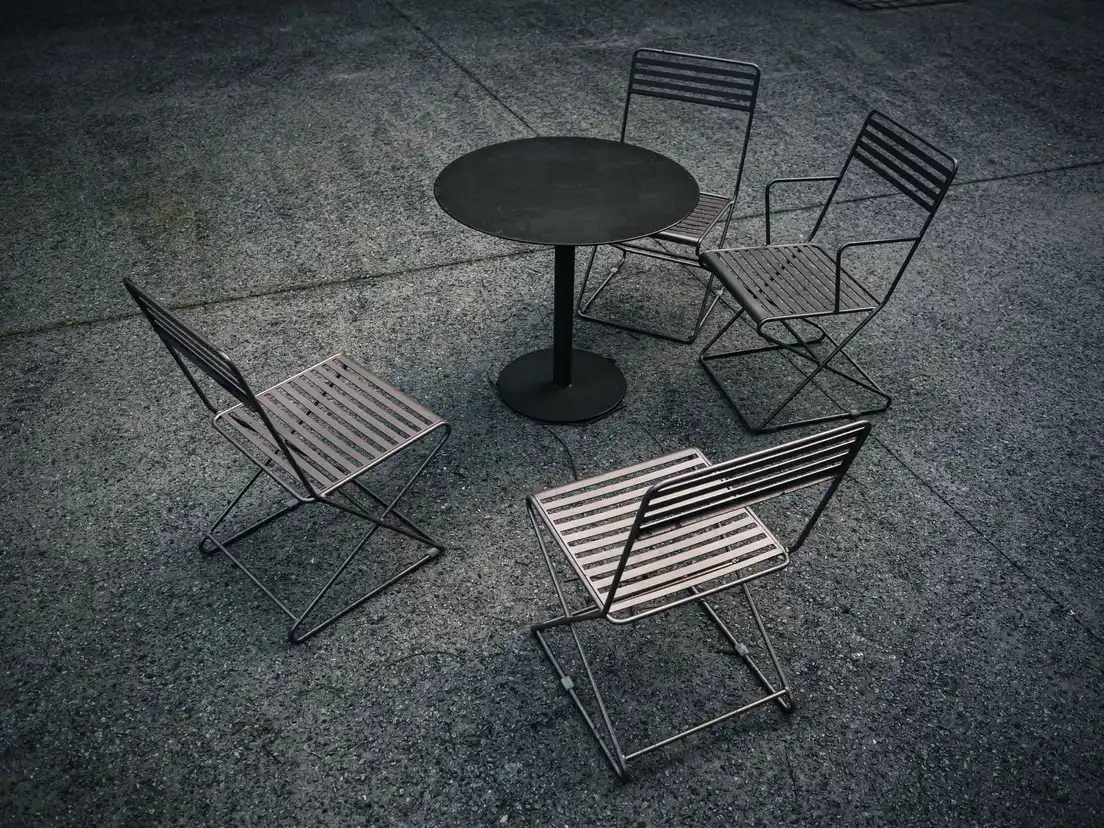
Photo by Sonny Sixteen on Pexels
How do you store outdoor cushions and fabric cushions for winter?
Bring cushions inside every time, even when the frames stay out. Clean them, dry them completely and store them indoors. Sew up any tears, spray on a fabric protector, then bag them in a heavy-duty plastic bag, a tote or a cushion storage bag. Keep that in a garage, shed, attic or basement.
A cushion that spends winter in a damp tote becomes a science-fair project by April, so dry means dry, front and back. Our verdict: of everything on this page, the cushions are the one job worth doing even if you do nothing else.
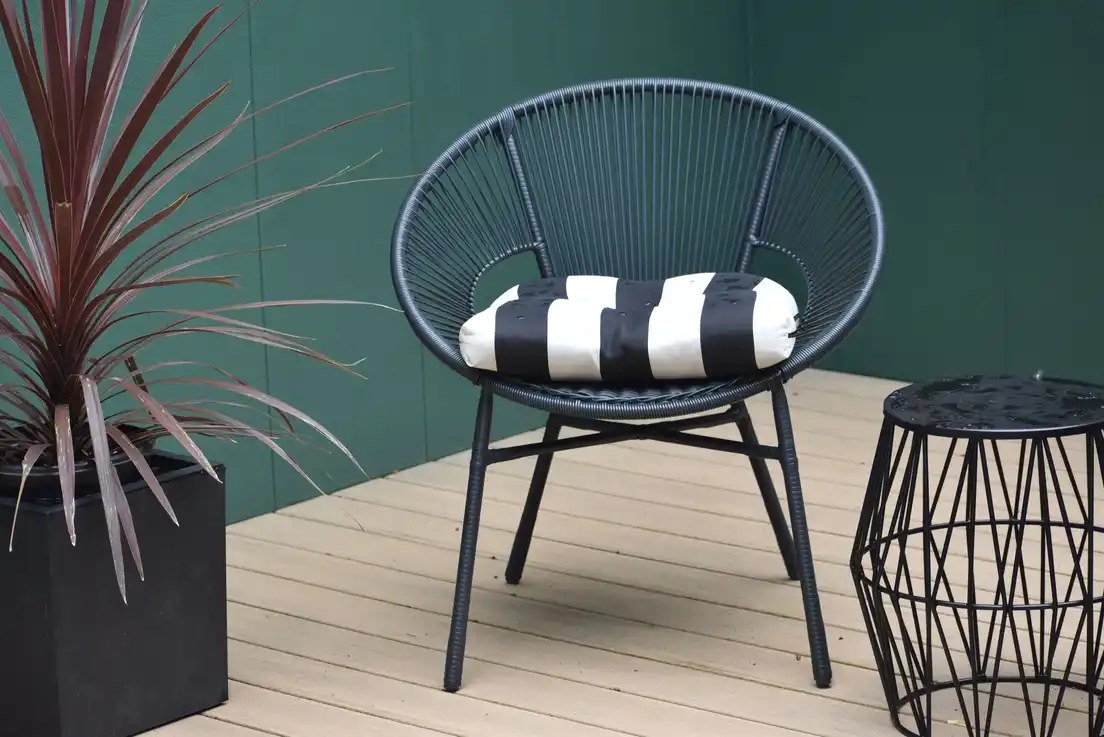
Photo by wr heustis on Pexels
Breathable cover, shrink wrap or tarp: which protective covers work best?
A snug, high-quality cover with mesh vents wins; furniture covers should breathe. Look for a 1 to 2 inch gap between the hem and the ground so air can move, and secure it with bungee cords, zip ties or ratchet straps. A loose cover traps snow and ice, which can tear the fabric, so brush the snow off now and then.
Skip the shrink wrap. Plastic wrap and tarps are not breathable, so trapped water can turn into mold and mildew, and Coverstore puts professional wrapping at about $200 and up, paid yearly. The cheaper breathable cover does the same job. Shrink wrap turns a patio set into an expensive leftover.
If no cover fits, a heavy-duty vinyl tarp that is breathable, UV-resistant and waterproof will do. Set furniture on pallets or blocks, upright, so the feet stay out of puddles.
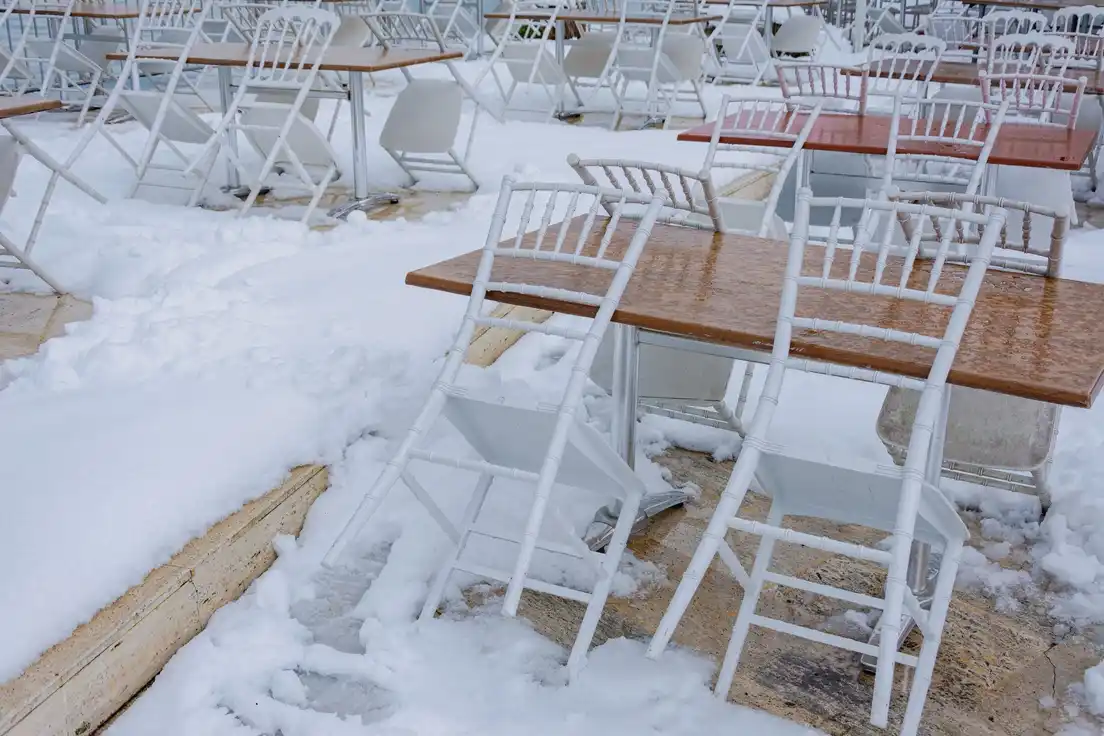
Photo by Eylül Kuşdili on Pexels
How do you winterize a three-season porch?
Treat it like a patio: a roof and screens keep the rain off, not the cold. A three-season porch is unheated, so the same steps to protect your outdoor living space apply in harsh weather conditions. Cushions come in, glass tops come in, and the frames get stored or covered.
If you are not sure whether your space counts as a porch or a patio, our porch vs patio guide settles it. The feet rule is the same on a slab or a wood deck: blocks or pallets underneath. Our patio vs deck guide covers how each surface holds up in wet weather.

Photo by Namfon Sasimaporn on Pexels
Winterize patio furniture: a checklist before the first freeze
Work down this list on one dry weekend:
- Scrub every frame with mild soap and warm water, and inspect it for rust or cracks.
- Dry completely, including the drainage holes, with the foot caps off aluminum.
- Wire-brush rust, touch up paint, add a thin coat of wax.
- Replace rusted fasteners with rustproof ones.
- Wash, dry and bag the cushions, then store them indoors.
- Move glass tops and plastic chairs inside.
- Disconnect propane from any fire pit table.
- Store the frames, or cover them with a snug breathable cover, hem 1 to 2 inches off the ground.
- Set the feet on blocks or pallets, upright.
- Brush snow off the covers during winter.
What do you buy once the furniture has a winter home?
The shopping list is short: one breathable cover per set, a cushion bag or tote and something to lift the feet off the ground. If you are adding a roof too, our free-standing patio cover makeover has that list. Then pick a dry Saturday. The chairs have never once asked to stay out for the snow.
Frequently asked questions
Should I cover my patio furniture in winter?
Only if you cannot store it. Indoors in a garage, shed or basement is safer, because cold, snow and ice damage outdoor furniture. If it stays outside, clean and dry it first, then use a snug cover with mesh vents. A cover that traps moisture invites mold, and a loose one traps snow.
Can you leave wicker furniture outside?
Resin wicker can stay out under a breathable cover once it is hosed down and dry. Natural rattan should come inside, because it dries out in the sun and does not like standing moisture. Whichever you own, store the cushions indoors and keep the frame off bare ground.
How to weatherize wood furniture for outdoor use?
Scrub it with warm water and mild soap, following the grain, then let it dry completely. Replace pieces with soft spots or severe cracks, fill small dents, and reapply stain, paint or sealant. Teak is the exception: it needs no protective coating, though many owners oil it to keep the color.
When should you bring patio furniture inside for winter?
Before the first hard freeze, and sooner if snow is forecast. Pick a dry, mild weekend, because everything must be completely dry before it goes into storage or under a cover. Cushions and glass tabletops go in first, since moisture and freeze-thaw cycles hurt them most.