
Backyard & Patio
Patio vs Deck: Cost, Upkeep and How to Choose
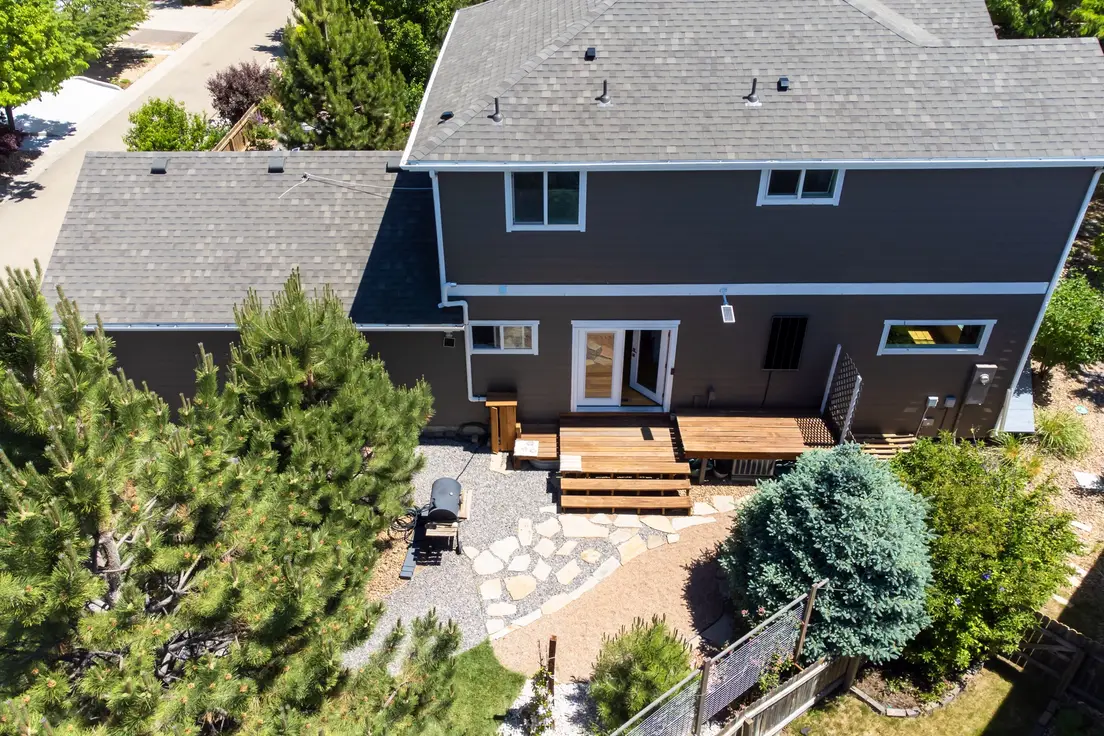
Photo by Frank Schrader on Pexels
A patio is cheaper, lasts longer and needs less upkeep, so build one if your yard is flat. A deck costs more and needs staining, but it handles a slope, meets a raised back door and usually returns more at resale. On average, Bob Vila’s 2023 figures put a patio at about $3,800 and a deck at about $7,900.
Below: how the two differ, what each costs, how long they last, what a slope does to the decision, when a deck needs a permit and what each adds when you sell your home. Prices are national ranges from cost guides, so use them to check quotes, not to replace them.
What is the difference between a patio and a deck?
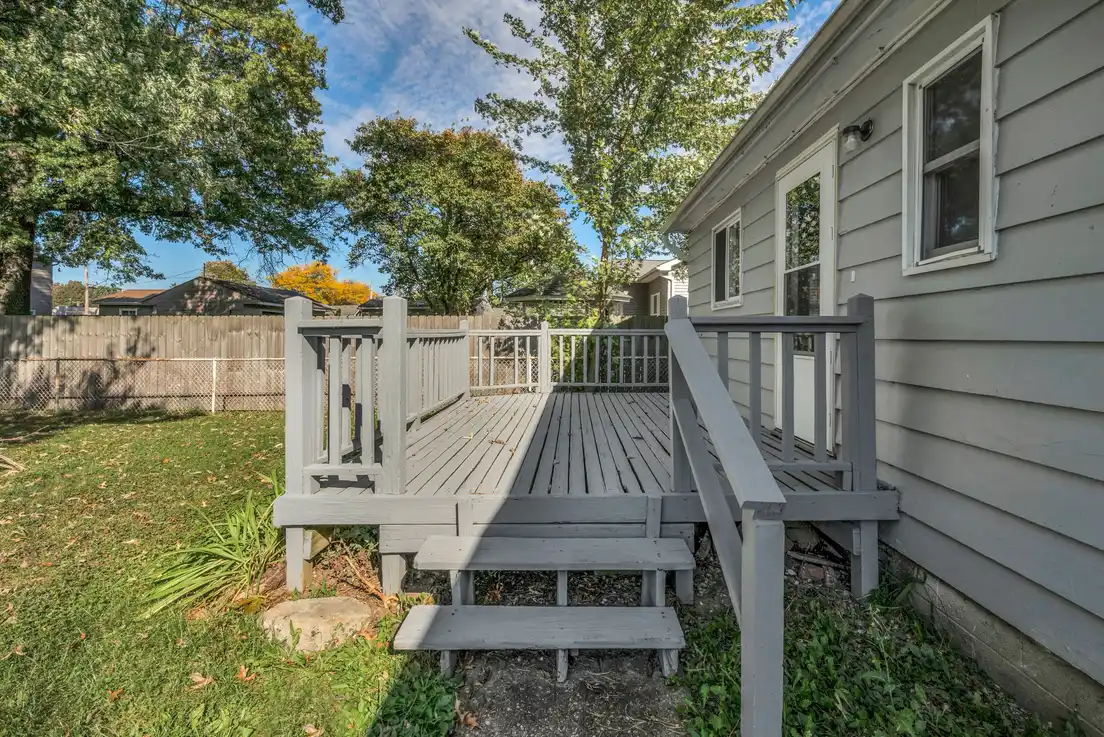
A patio is a paved, ground-level surface; a deck is a raised platform of wood or composite boards on posts and joists. A ground-level patio sits on compacted base or a concrete slab. A raised deck sits on a frame, usually bolted to the house, with a railing and stairs once it climbs high enough.
Wikipedia defines a patio as an outdoor space for dining or recreation that adjoins a structure and is typically paved. A deck is the elevated, board-surfaced version. Patio materials are concrete, pavers, brick or flagstone. A wooden deck is pressure-treated pine or cedar; the other option is a composite deck. A deck is a patio that got a promotion, a railing and a maintenance schedule.
Neither one has a roof unless you add it, which is what separates both from a porch. Our porch vs patio guide sorts the roofed versions, and our patio cover cost guide prices the roof.
Which costs less, a patio or a deck?
A patio costs less: about $3,800 on average against about $7,900 for a deck, per Bob Vila’s 2023 guide. Prices have moved since, so treat the gap, roughly double, as the useful part.
| Option | Typical installed cost | Source |
|---|---|---|
| Average patio | About $3,800 | Bob Vila, 2023 |
| Plain concrete patio | $1,760–4,812 (average $3,274) | Bob Vila, 2023 |
| Paver patio | $2,400–7,000 | Bob Vila, 2023 |
| Stamped concrete patio | $2,700–7,203 | Bob Vila, 2023 |
| Average deck | About $7,900 | Bob Vila, 2023 |
| Deck, per square foot | $21–71 (average about $33) | Fixr |
| DIY paver patio, 16×12 ft | About $700 in materials | Fixr |
That per-foot deck range gives a 20×20 deck, 400 square feet, a bill of about $8,400–28,400. (Yes, that is a lot of lumber for a yard that mostly hosts one folding chair. Run the number anyway.) Pressure-treated wood sits at the low end, and a composite deck or hardwood sits at the high end.
Our verdict: on a flat yard with a door near ground level, skip the deck. A paver patio does the same job for roughly half the money, and our patio ideas with pavers shows what one looks like.
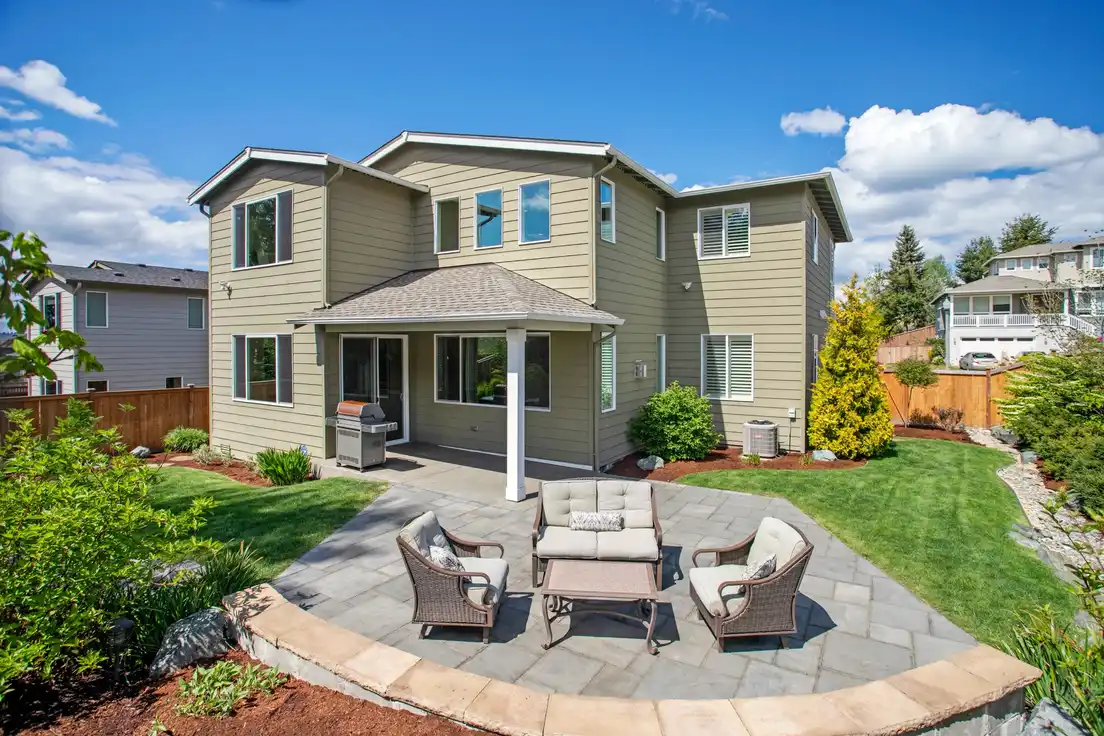
Photo by Spencer Lee Eiseman on Pexels
Which lasts longer and takes less upkeep: a deck or a patio?
A patio lasts longer and takes less maintenance. Fixr says a standard deck lasts 10 to 15 years and a properly installed stone or concrete patio at least 25. Bob Vila is kinder to wood, at 20 years or more with care, and says composite can last up to 50. Sources disagree, so read the lifespan as a range.
Upkeep is the bigger gap, and it never stops. A wood deck needs regular maintenance: yearly power washing and a stain and seal at least every two years, per Fixr. Bob Vila prices staining at $540–1,250, average $775. A concrete or paver patio needs sweeping, an occasional wash and a look at the cracks. A wood deck is a subscription; a patio is a purchase.
Composite decks skip the staining, which is the whole pitch. They cost more upfront, so a composite deck is the low-maintenance deck, not the cheap one.
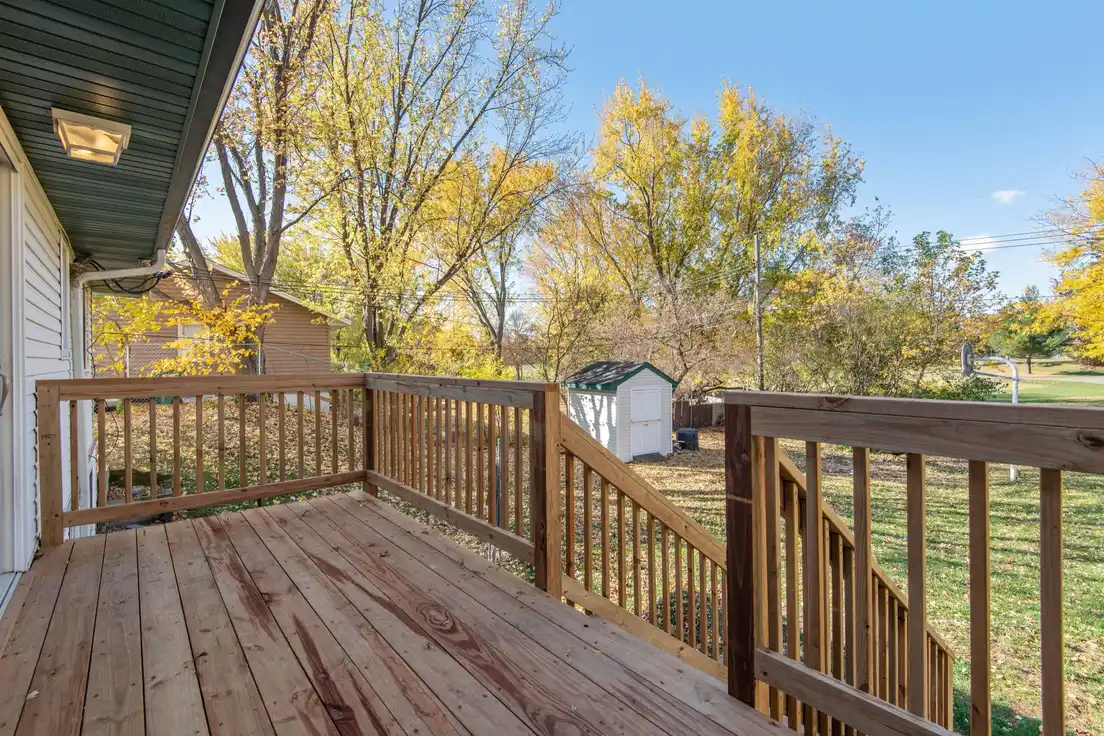
Photo by Đỗ Huy Hoàng on Pexels
Is a deck or a patio better for a sloped yard?
A deck is better on a slope. A raised deck sits on posts, so the ground can drop away underneath. Fixr says a patio is only suitable for flat surfaces, and a deck works on uneven ground and attaches to the house.
You can put a patio on a slope, but you will be digging, filling and probably building a retaining wall to hold the fill. A patio on a hill is a very expensive retaining wall with a table on it. The same goes for a back door that opens several steps above the yard: a deck meets the door at its own height, where a patio leaves you with stairs.
If the yard is level, the slope argument disappears and cost takes over.
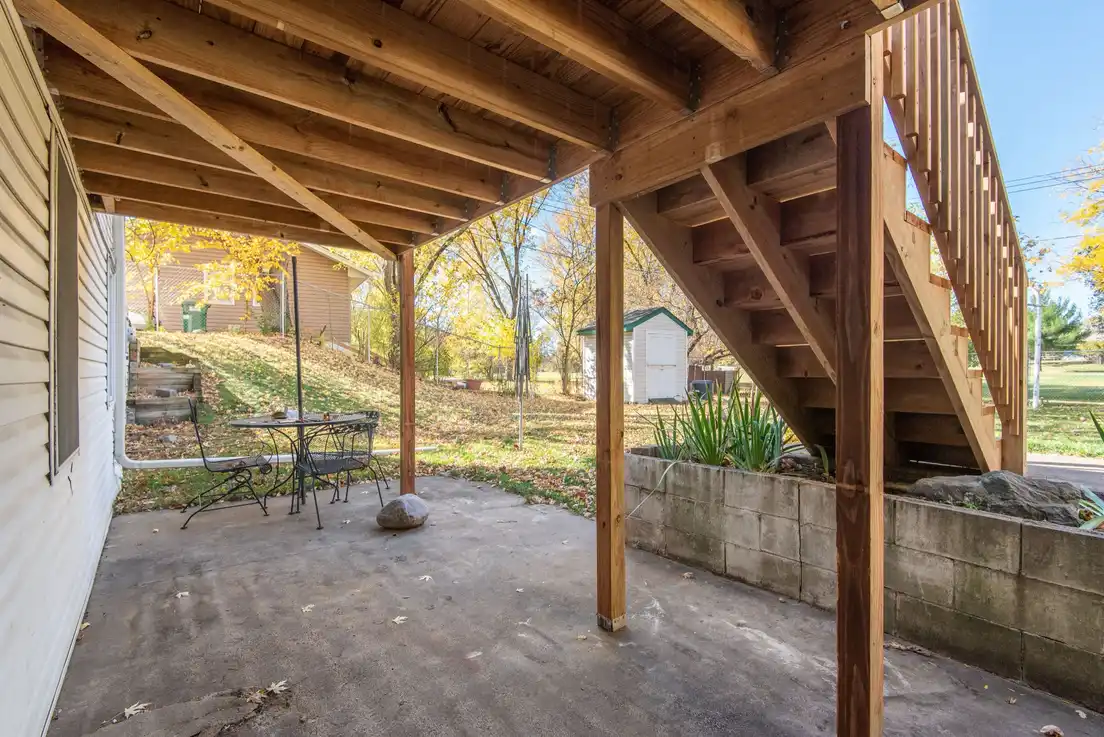
Photo by Đỗ Huy Hoàng on Pexels
Do you need a permit for a deck or a patio?
A deck often needs a permit and a patio usually doesn’t. Rules vary by city. Sumner, Washington, for example, requires a permit for any deck more than 30 inches above the ground, any deck attached to the main structure regardless of size, any covered deck and any detached deck over 200 square feet. Open, unroofed decks built at grade or no higher than 30 inches are generally allowed without one.
Bob Vila says patios often need no permit or inspection, but may need one for retaining walls, drainage work or significant grading. Adding a roof changes the answer for both, and our pergola vs gazebo guide covers the detached-structure rules.
Before you install a deck or a patio, call your building department, and read your HOA rules, which often cover structures and visible additions.
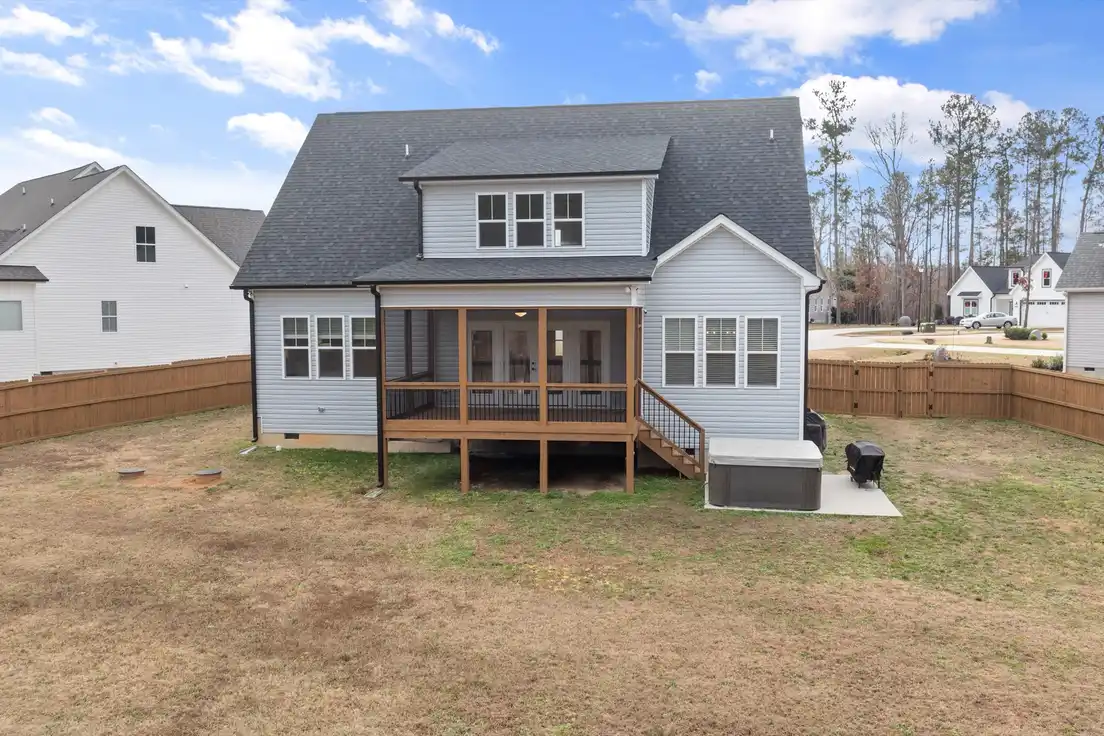
Photo by Curtis Adams on Pexels
Which adds more resale value, a deck or a patio?
A deck returns more of its cost at resale: about 70% against about 50% for a patio, per Bob Vila’s 2023 figures. Fixr agrees a deck has the higher return. Local markets and build quality can flip it.
Here is the honest math on those averages. A $3,800 patio returning 50% gets back about $1,900, so you are out about $1,900. A $7,900 deck returning 70% gets back about $5,530, so you are out about $2,370. Both lose money at resale; the deck just loses it with a railing. Build for how you will use the space, not for the next buyer.
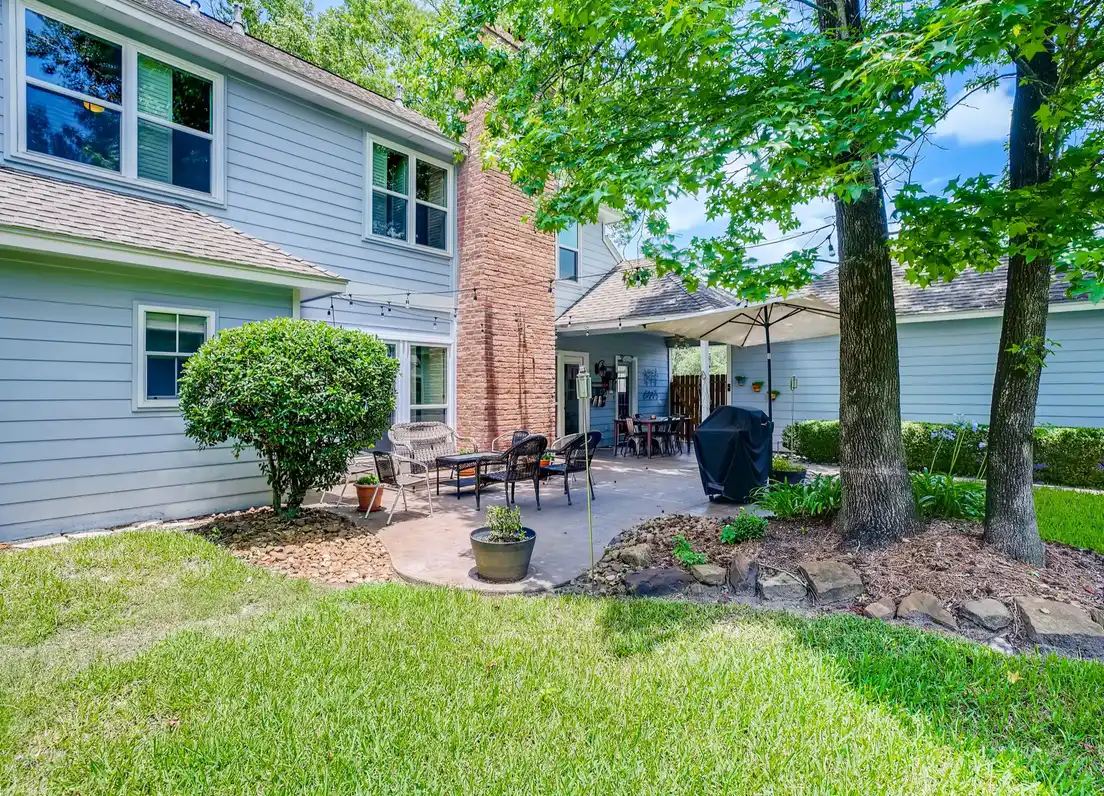
Photo by Allyson Salness on Pexels
Patio vs deck pros and cons: which outdoor living space fits your yard?
A patio wins on cost, durability and upkeep. A deck wins on slopes, raised doors and resale. Here is the pros and cons list in one place, per Fixr.
| Patio | Deck | |
|---|---|---|
| Pros | Lower material and labor cost, any size, easy to clean, long-lasting | Works on uneven ground, attaches to the house, raised surface, higher return |
| Cons | Needs flat ground, can crack or heave, slippery when wet | Costs more, regular maintenance, water damage and wood-boring insects, shorter lifespan |
Design options differ too. A slab takes a fire pit or a hot tub more easily than a frame does, because a hot tub on a deck needs framing built for that load. A deck takes built-in seating, a railing planter and, on a bigger landscape, a multi-level layout that steps down the yard. Many homeowners end up with both, and a deck and patio together cover the whole outdoor area.
Patio or deck? A checklist before you build
Answer these five, and the choice usually makes itself:
- Is the yard flat? Yes points to a patio. A real slope points to a deck.
- Is the back door at or near ground level? Yes points to a patio. Several steps up points to a deck.
- Is your budget under about $4,000? A plain concrete or paver patio fits. A deck usually does not.
- Will you stain and seal every two years? If not, pick a patio or a composite deck.
- Have you checked the permit and your HOA? Do it before the first post hole or the first pallet of pavers.
Our verdict on a deck or patio: a patio for a flat yard and a tight budget, a deck for a slope or a high door. Skip the deck if it is only there for resale.
If your yard is flat and you already have a slab, our backyard patio makeover shows the cheap route: deck tiles over the concrete, for about $890 in the plan.
Putting your patio vs deck decision together
Start with the slope and the door, then the budget, then the permit. If you want both, a small deck at the back door that steps down to a patio in the yard is a common answer. For where each sits next to porches and covered spaces, see our porch vs patio guide.
Our backyard patio makeover puts the patio side together for a bare 10×12 slab: acacia deck tiles, a bistro set, string lights and two pots, with an honest total of $889.81 at the time of writing. It is a plan, not a finished build, because both images are AI-generated.
Get the surface right first. Furniture is the easy part to change.
Frequently asked questions
What's the average cost for a 20x20 deck?
About $8,400 to $28,400 installed. That is our arithmetic: a 20x20 deck is 400 square feet, and Fixr puts installed decks at $21 to $71 per square foot. Pressure-treated wood sits at the low end, composite and hardwood at the high end. Railings, stairs and a permit are the usual extras, so get three local quotes.
Should I build a deck or a concrete patio?
Build a concrete patio if your yard is flat, your back door is near ground level and you want the lowest cost and upkeep. Build a deck if the yard slopes, the door sits well above the ground or you want a raised platform. Plain concrete patios average about $3,300, decks about $7,900.
What is better, patio or decking?
Neither wins everywhere. A patio is better for cost, durability and low maintenance on flat ground. A deck is better on uneven ground, at a raised back door and, by most estimates, for resale value. The yard and the budget decide it more than taste does, so measure the slope first.
Can you combine a deck and a patio?
Yes, and it is common. A small deck off the back door steps down to a patio in the yard, so each surface does what it does best. The deck handles the height change and the patio carries the heavy, hot or messy things like a fire pit. Budget for both builds and check permits for the deck.