
Small Spaces
The Best Multifunctional Furniture for Small Apartments
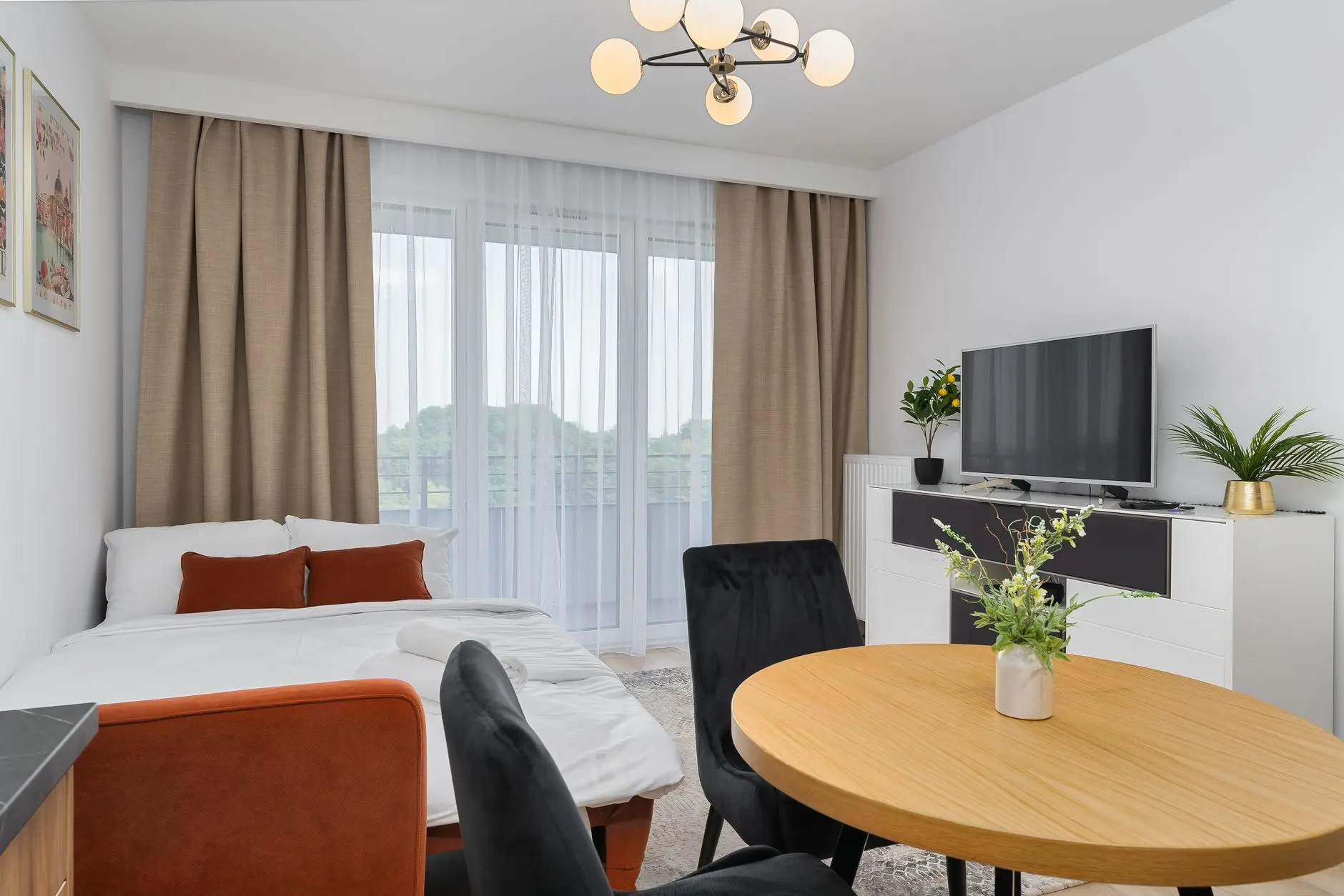
Photo by Mateusz Pielech on Pexels
The best multifunctional furniture for small apartments — sometimes sold as multipurpose furniture or space-saving pieces — does two jobs in the floor space of one: a sofa that’s also a guest bed, a coffee table that’s also a dresser, a desk that folds flat against the wall by 6 p.m. The average U.S. apartment runs about 910 square feet, and the average studio is around 460 — small enough that every piece really does have to earn its footprint. Below are 10 double-duty pieces worth buying, what each one costs at the time of writing, and the two we’d tell you to skip unless your situation is exactly right.
Every convertible piece here costs a premium over the single-purpose version. That premium is almost always smaller than buying both pieces separately — the math only turns against you when the small-space furniture you bought for two jobs only ever does one.
Buy a Sofa Bed So the Living Room Can Sleep a Guest
A sofa bed is the highest-leverage piece of furniture in a small apartment because it settles two decisions — where people sit and where a guest sleeps — with one purchase. In a studio, it’s not optional; the living room is the guest room. Expect $400–900 for a sofa bed you’d actually sit on nightly, versus $300–500 for a sofa alone, which still beats buying a sofa and a guest bed separately and finding somewhere to keep both. A daybed with a pull-out trundle is the narrower version for a room that can’t spare full sofa depth. One thing to check before you buy at the low end: a cheap pull-out mechanism folds down to a mattress with a steel support bar running exactly where an adult’s lower back goes.
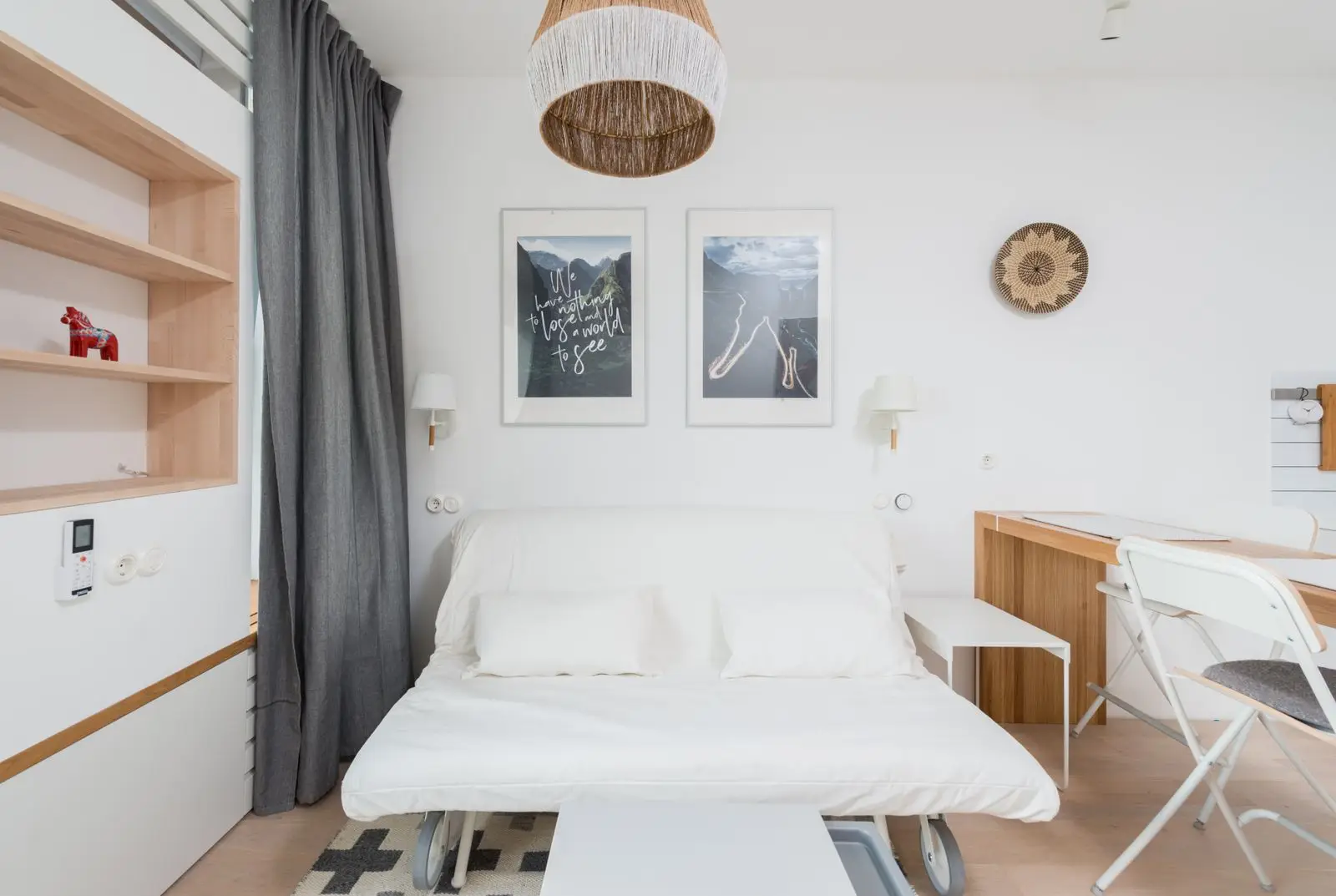
Photo by Max Vakhtbovych on Pexels
Trade the Coffee Table for a Lift-Top or Storage Ottoman
A lift-top coffee table or a storage ottoman does everything a coffee table does, then hides the blankets, remotes, and shoes a small living room has nowhere else to stash. A lift-top’s surface slides up and toward you into a desk-height work-or-dinner spot without leaving the couch — $120–300. A storage ottoman runs $60–150; get one with a removable lid rather than a hinged one if you’ll set drinks on it, since a hinge needs swing room a tight layout doesn’t have. If all you want is the hidden storage, the $70 ottoman wins and the lift-top mechanism is money you don’t need to spend. We have eaten more weeknight dinners off a lift-top table than off the actual dining table, and we’ve made peace with it.
Get a Storage Bed to Bank the Square Footage Under the Mattress
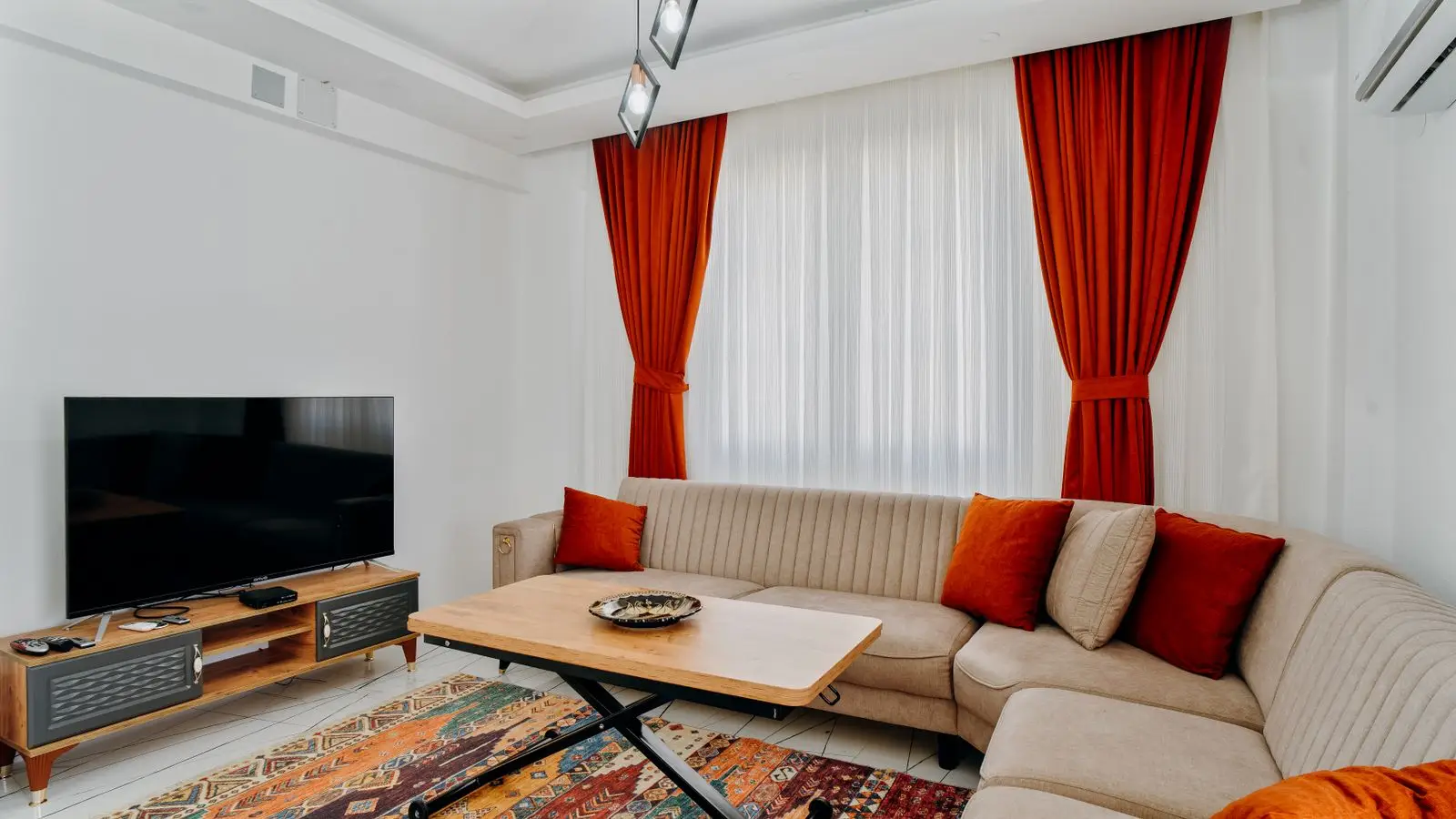
A platform bed with drawers in the base turns the single largest object in a small apartment into its largest dresser, so you can skip buying a separate chest of drawers entirely. A queen storage frame runs $250–550, roughly $100–150 over a plain frame, and it pays for itself by replacing a short dresser or a nightstand you’d have bought anyway. Off-season clothes, spare bedding, the closet overflow — it all goes under the mattress instead of eating floor space. Side drawers need clear floor beside the bed to open; a lift-up hydraulic base holds the most but needs a few inches of clear wall at the head so the mattress can hinge up. Measure the drawer clearance against your frame height before ordering — a low platform sometimes won’t let the drawers fully clear the floor. Under-bed storage is where cables go to be forgotten with dignity.
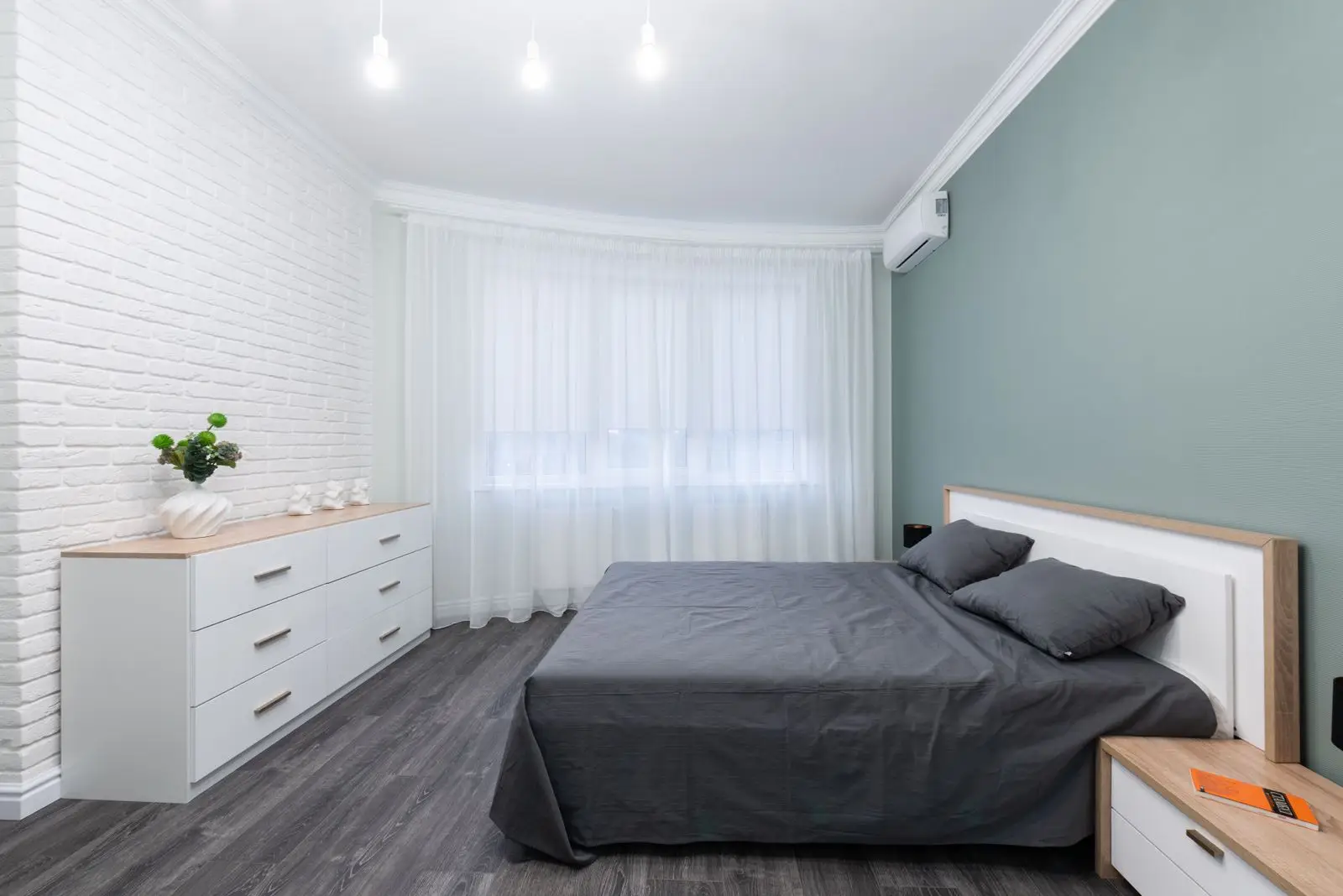
Photo by Max Vakhtbovych on Pexels
Pick a Drop-Leaf or Counter-Height Table That Folds Down to Dinner
A wall-mounted drop-leaf table gives you a dining table and a workspace in a footprint a fixed table would never allow — folded, it sits about 5 inches off the wall. A wall-mounted drop-leaf runs $90–200; a gateleg table that seats two and opens to six is $150–350 and stores flat against a wall between holidays; a narrow counter-height table doubles as kitchen prep space in an apartment with no counter to spare. The dining space in a small apartment doesn’t need to exist 24 hours a day — it needs to exist at 7 p.m. A wall-mounted drop-leaf is the only dining table we’ve owned that you can walk past without turning sideways.
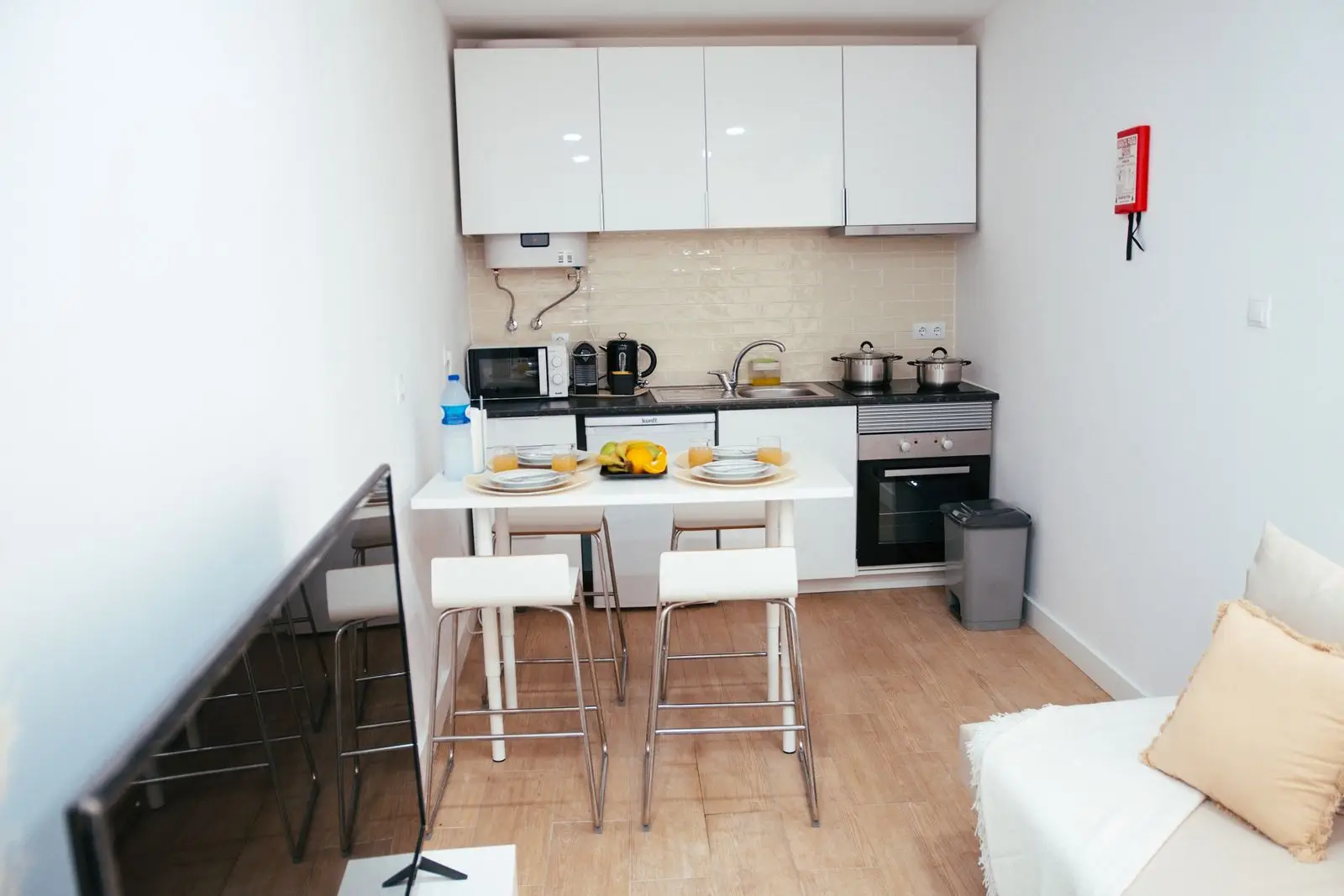
Photo by Jaycee300s on Pexels
Buy Nesting Tables Instead of One Fixed Side Table
A set of nesting tables is one side table that becomes three when people come over, then tucks back to the footprint of one. A set of two or three runs $50–160, and the smallest one leaves the stack to work as a laptop stand, a dinner tray on the couch, or a spot for a lamp and a drink next to the chair that never had one. This is the rare small-space piece with no real downside — the only cost is that the tables are lighter and smaller than a single solid one, which in a small apartment is the entire point. A nesting table is the only furniture that multiplies when guests arrive instead of the dishes.
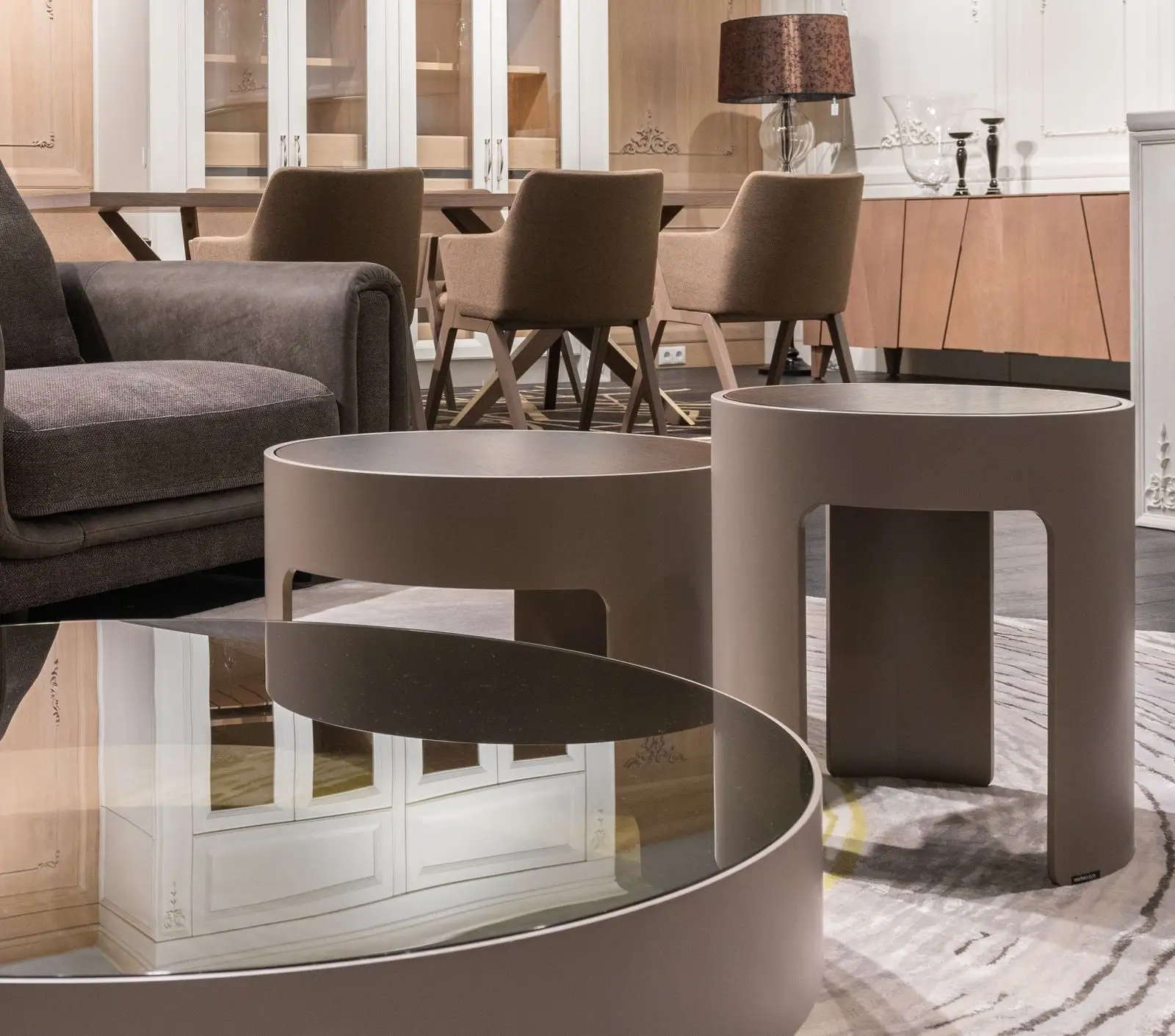
Photo by Max Vakhtbovych on Pexels
Mount a Fold-Away Wall Desk for a Home Office That Disappears
A wall-mounted fold-down desk gives you a real work surface that clears out of the room entirely at the end of the day — the fix for a studio apartment that can’t give up floor space to a permanent desk. A fold-down wall desk runs $120–300 and folds to about 5 inches deep; a drop-leaf mounted on a console table is the more built-in-looking, renter-friendly alternative. Anchor it into studs, not just drywall: a plastic anchor holds 10–25 lbs and a toggle bolt gets you past 100 lbs, but a laptop, a mug, and both forearms add up fast on a hinged shelf. Folding the desk shut at 6 is the closest a work-from-home job gets to a commute.
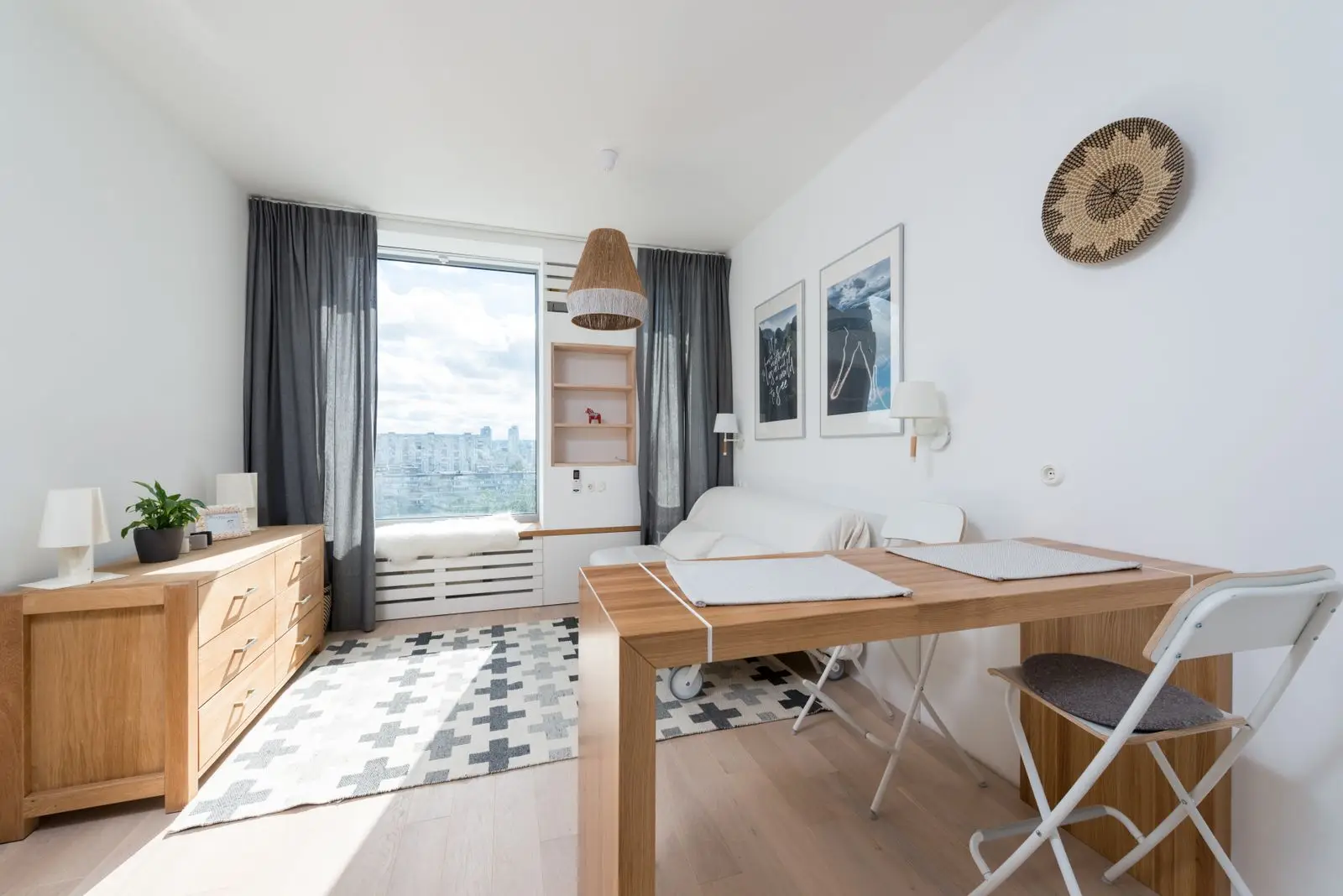
Photo by Max Vakhtbovych on Pexels
Let a Bookcase Double as the Room Divider
An open-back bookcase, bookshelf, or cube shelving unit splits a studio into two zones and stores your books in the same footprint — one object doing the job of a divider and the shelf you needed anyway. A tall open shelf unit runs $150–400; leave the back open so daylight still passes through, since a solid divider walls off half your light along with half the mess. Anchor anything tall to the wall, loaded or not — a full shelving unit standing free in a small apartment is a genuine tip hazard. For curtains, sliding panels, and actual temporary-wall kits if a shelf isn’t enough of a break, our room divider ideas guide runs through the rest, and small apartment ideas covers the zoning tricks that don’t involve buying furniture at all.
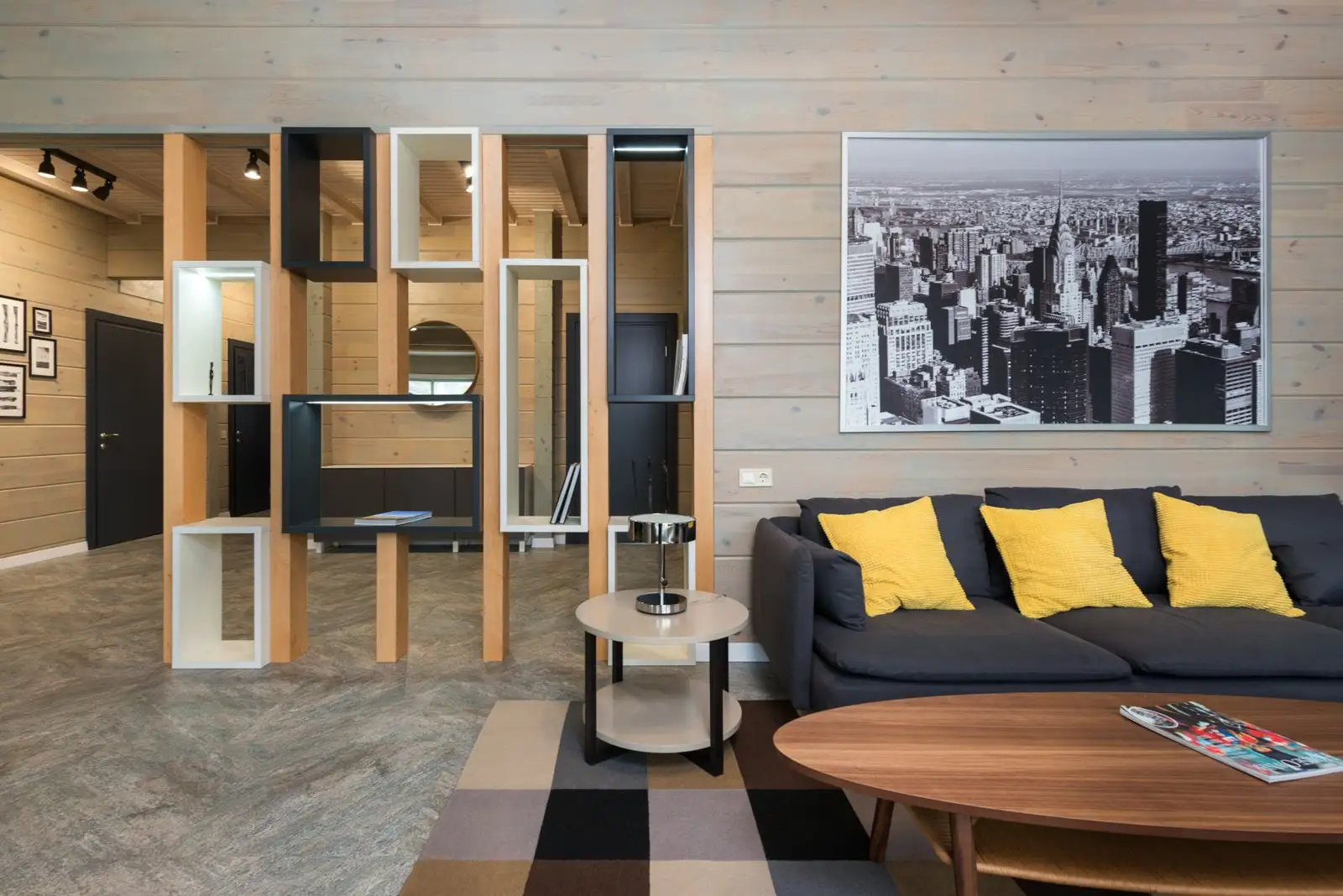
Photo by Max Vakhtbovych on Pexels
Put a Storage Bench by the Door to Catch the Drop
An entryway storage bench is a seat for putting shoes on and a bin for the shoes themselves, in the one spot a small apartment can’t afford to lose to a pile. A shoe-storage bench runs $70–160; a hall-tree version adds a coat rack and hooks for $120–250 and does the job of three separate storage solutions against a single wall. Keep it to a 12–14 inch depth in a narrow entry hallway, and measure the walkway, not just the wall it backs onto — anything that juts past the path is something you walk into at 7 a.m. The alternative is the clutter that piles up by the door and greets you like a small, judgmental welcome mat.
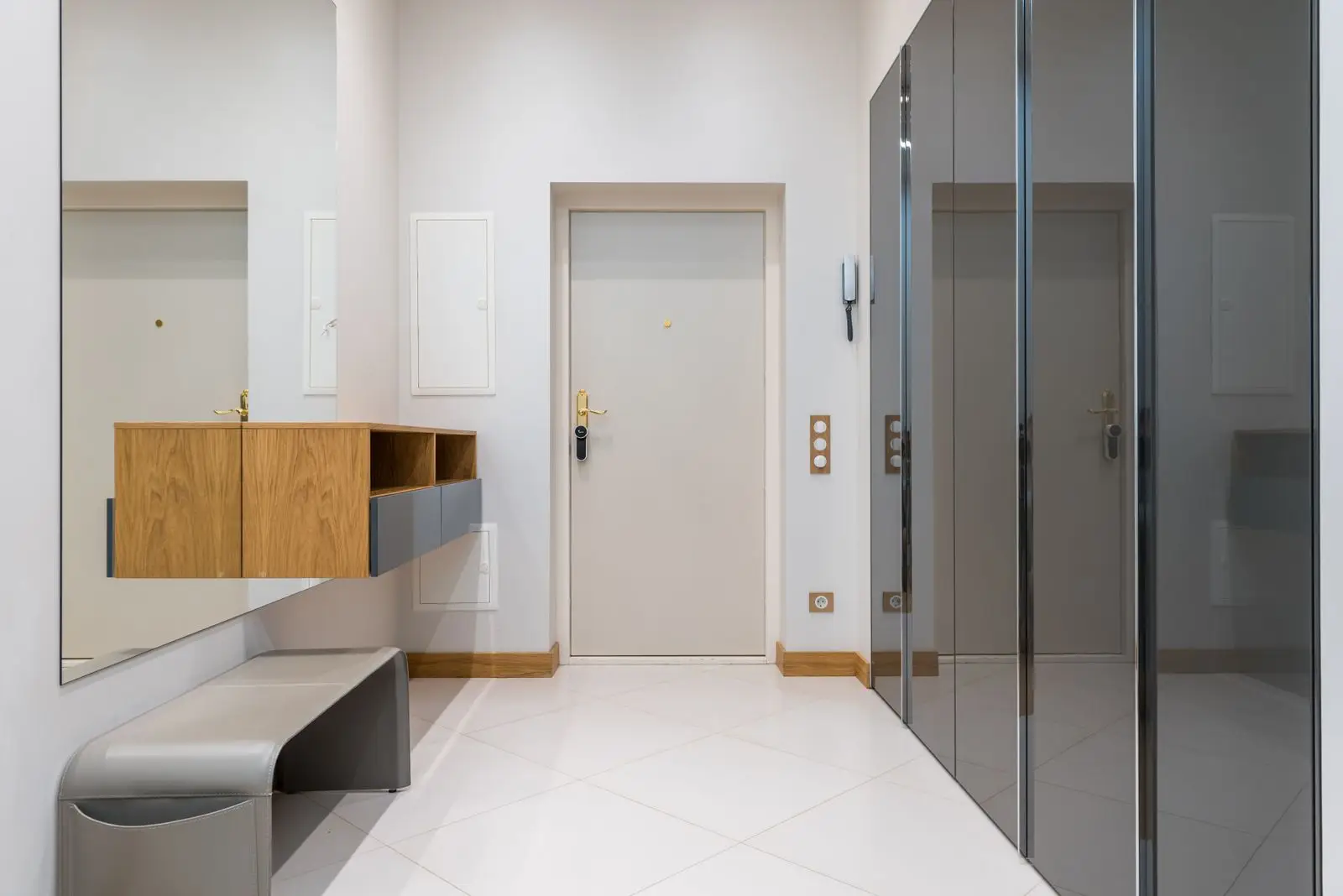
Photo by Max Vakhtbovych on Pexels
Choose a Modular Sofa You Can Reshape When You Move
A modular sofa reconfigures to fit whatever wall your next apartment has, which matters when the lease is 12 months and the plan is fuzzy after that. A modular or sectional runs $600–1,400; the sections ship in car-sized boxes instead of one truck-only slab, and some pieces come with a storage chaise. Get a washable slipcover version where the cushion covers come off too — for a rental you might leave in 18 months, that’s smarter than paying to reupholster later. We once assembled a renter-friendly loveseat solo on a Sunday because “how hard can it be.” The instructions said two persons on step 9. It was not, in fact, two persons — 45 minutes of holding a panel with one knee while reaching for a bolt with the other hand, then it was done, crooked, then done properly.
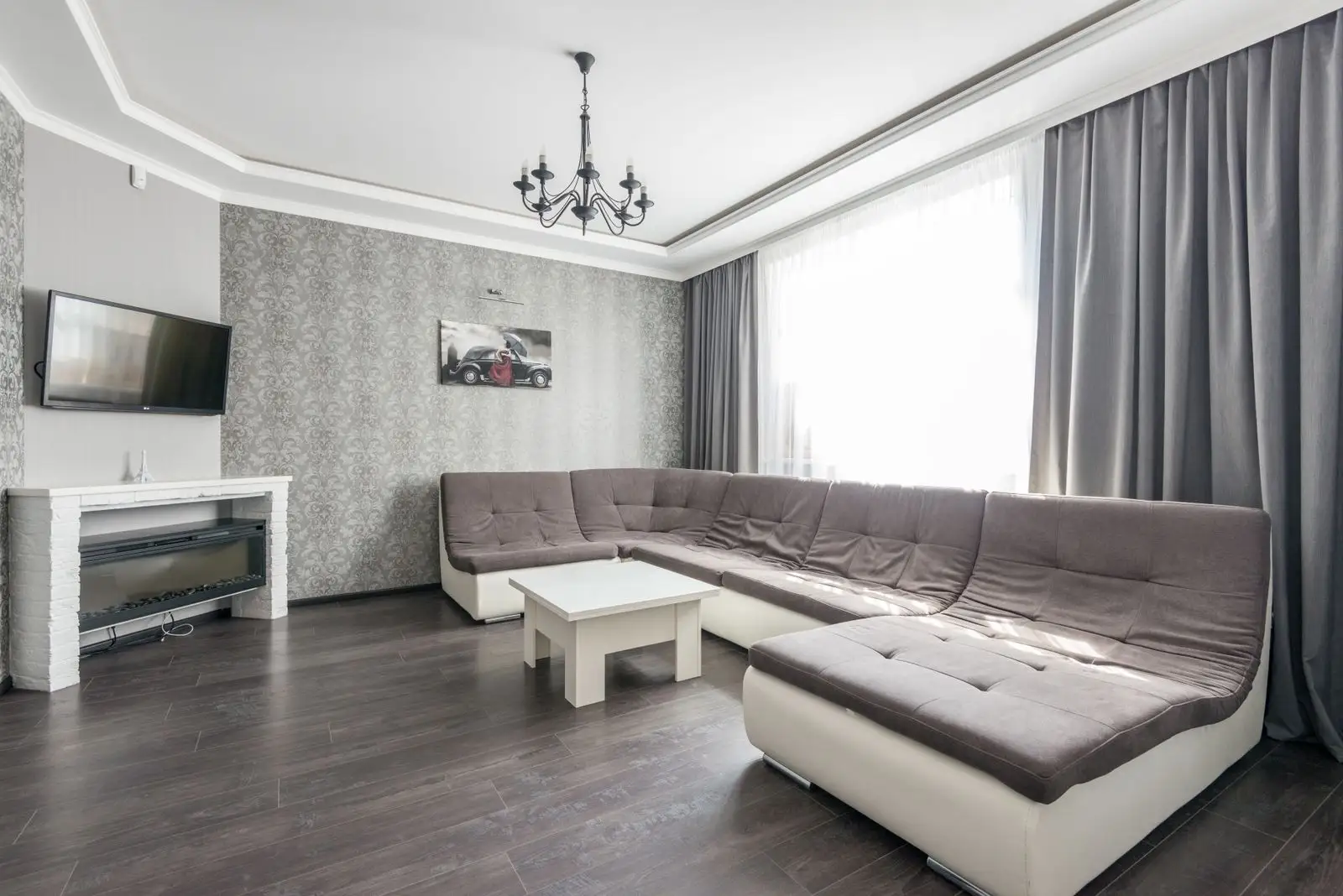
Photo by Max Vakhtbovych on Pexels
Consider a Loft or Bunk Bed Only If the Ceiling and Your Knees Cooperate
A loft bed frees the entire floor under the mattress for a desk or a small sofa, which is the biggest single square-footage win on this list — and also the piece most likely to be a mistake. It’s worth it in a studio with 8-foot-plus ceilings, or for roommates splitting one bedroom, where a loft plus a floor bed gives each person a zone. A loft frame runs $200–600, a full-size closer to $400–900. This is the one piece here we’ll actively talk you out of if the ceiling is under 8 feet: a loft in a low room means sitting up in bed is no longer a thing you can do, and the ladder that’s fine at 25 is a real 3 a.m. hazard at 40. If you get up in the night, skip it.
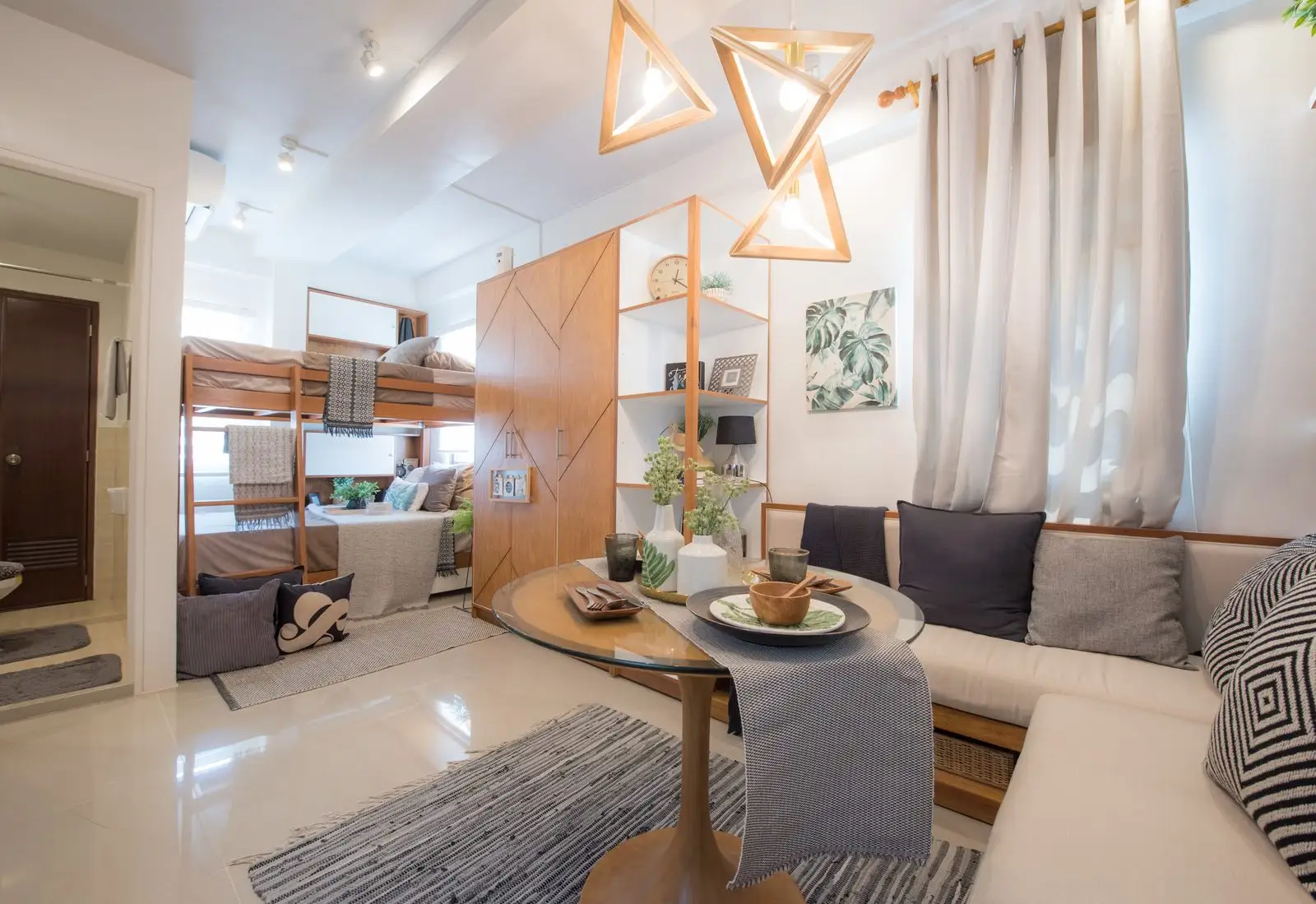
Photo by Tristan Paolo on Pexels
The Honest Math: What a Multifunctional Starter Set Costs
Added up, not estimated: a mid-range sofa bed ($550), a lift-top coffee table ($180), a queen storage bed frame ($350), a set of nesting tables ($90), and a fold-down wall desk ($160) comes to about $1,330 for a studio that sleeps guests, works, and eats without owning a single single-purpose piece. Trim it: keep a plain bed frame, drop the wall desk, and take a futon-style sofa bed instead of a pull-out, and the same setup lands near $650. Spend up: a genuine Italian wall-bed cabinet system alone runs $2,000–5,000 installed. The honest number depends heavily on what you already own — live with the space for a week before buying anything, because half of “I need multifunctional furniture” is really “I need to rearrange what I have.” The shoppable mid-range version of this list is our small apartment makeover.
Photo by Jahra Tasfia Reza on Pexels
Rule of Thumb: Two Jobs, One Footprint, and Measure the Doorway
Before you buy any convertible piece, make sure both jobs are ones you’ll actually do — a sofa bed you never unfold is just an expensive sofa with a bar in it. For sizing, the 2/3 rule keeps a small apartment from looking crammed: a sofa about two-thirds the length of its wall, a coffee table about two-thirds the sofa. And measure the doorway, the stair turn, and the elevator before anything over 24 inches ships — the top return reason in this niche isn’t “wrong style,” it’s “didn’t fit through the door.” The same fewer-but-better interior-design logic runs through our warm minimalism guide if you want the look to match the plan. Start with the piece that fixes what bugs you every day — the guest asleep on your floor, the laptop that lives on your bed. The rest can wait for the next paycheck, or the next apartment — the beige will still be there.
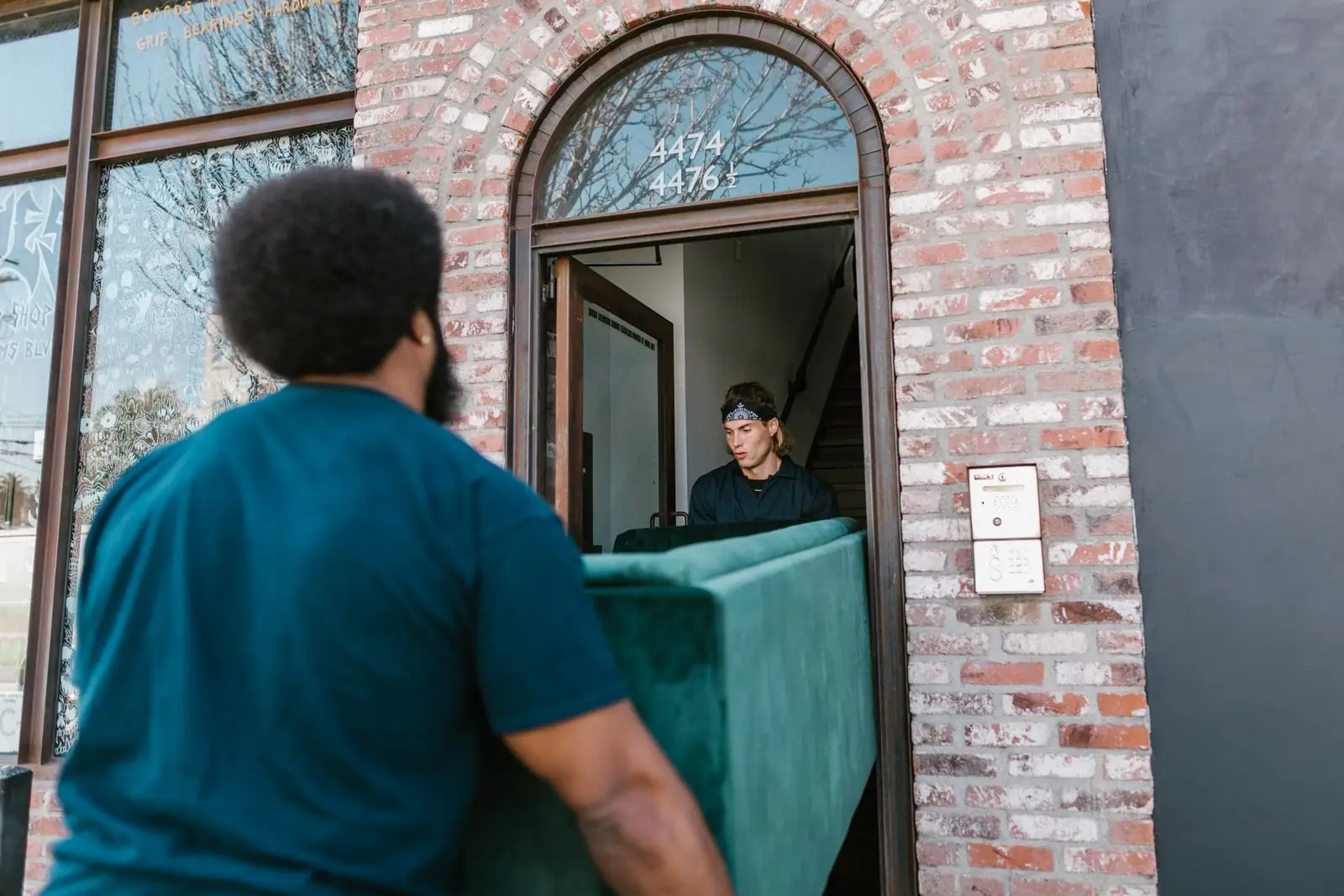
Photo by RDNE Stock project on Pexels
Frequently asked questions
What furniture works best in a small apartment?
Pieces that do two jobs in one footprint: a sofa bed instead of a sofa plus a guest bed, a storage bed instead of a bed plus a dresser, a lift-top or storage ottoman instead of a coffee table plus a chest. Measure the actual floor plan first, and skip anything oversized just because it photographed well.
What are some good multifunctional furniture ideas for small spaces?
A sofa bed or daybed with a trundle, a lift-top coffee table, a platform bed with drawers, a wall-mounted drop-leaf table, nesting tables, a fold-down wall desk, an open bookcase used as a room divider, and an entryway storage bench. Each replaces two single-purpose pieces you would have bought anyway.
Is multifunctional furniture worth buying?
Usually yes, if you will actually use both functions. Convertible pieces cost a premium over the single-purpose version, but less than buying both pieces separately, and they save floor space a small apartment does not have. A sofa bed you never unfold is just an expensive, slightly uncomfortable sofa.
What is the 2/3 rule for furniture?
It is a common sizing guideline: pick a piece about two-thirds the size of the thing next to it. A sofa runs roughly two-thirds the length of its wall, a coffee table about two-thirds the length of the sofa, a rug wide enough for the front legs of the seating. It keeps a small room from looking crammed or bare.
What multifunctional furniture works in a studio or tiny house?
The same pieces, sized down: a full or queen sofa bed, a gateleg table that seats two and expands to six, nesting tables, a fold-down wall desk, and a bookcase divider to zone sleeping from living. A loft bed works too if the ceiling clears 8 feet and stairs at night are not a problem.