
Backyard & Patio
Cheap Backyard Ideas With No Grass (Low Maintenance)
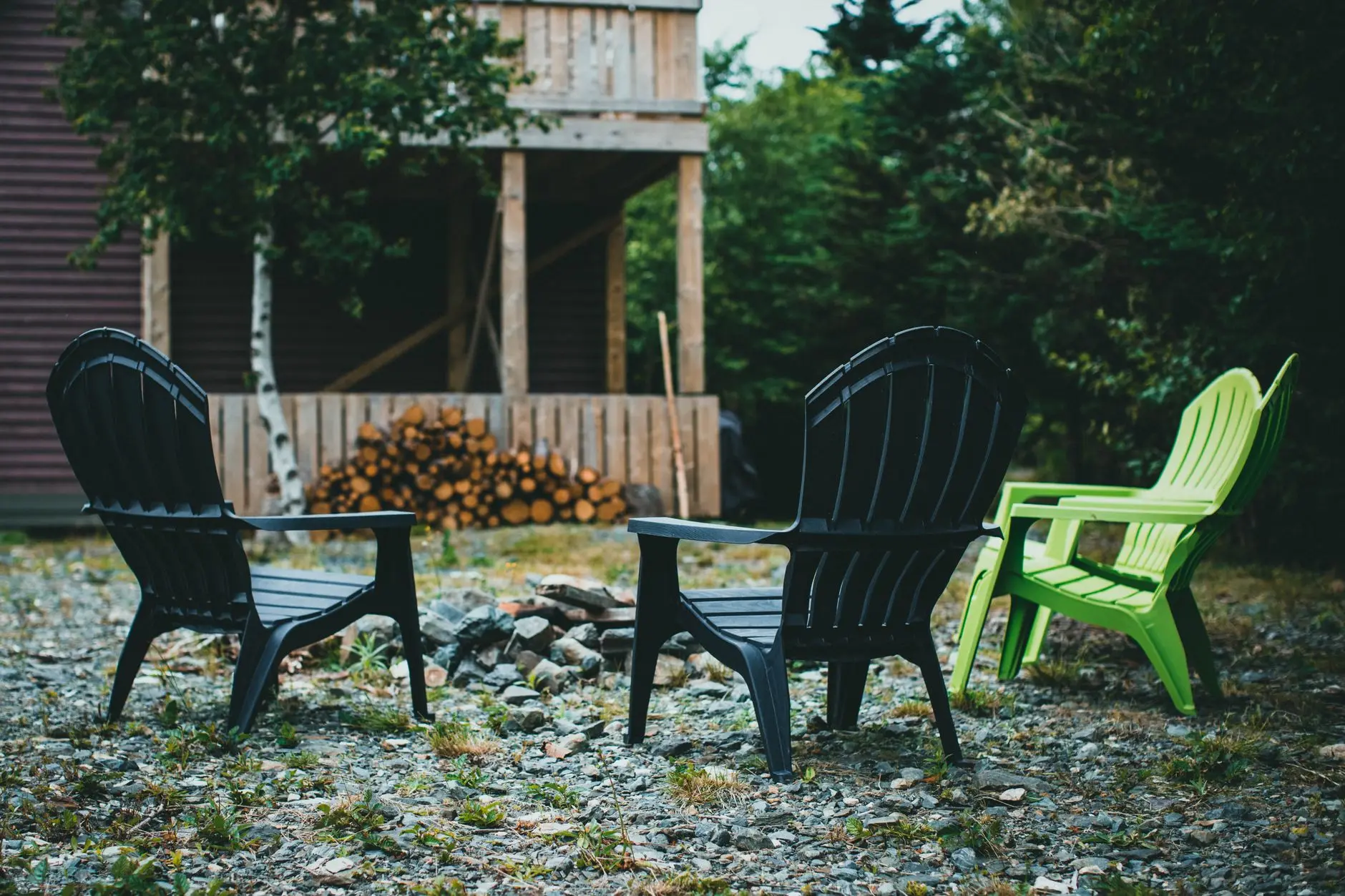
Photo by Jonathan Cooper on Pexels
Cheap backyard ideas with no grass all start the same way: stop trying to fix the lawn and pick a different surface for the part that was never going to grow anyway. Gravel, mulch, pavers, a low deck, and living ground covers like clover each run $1–6 per square foot, and none of them need a mower, a sprinkler, or a Saturday you’d rather spend sitting down. Below are 12 low-maintenance options, what each one actually costs, and the one we’d talk most people out of.
Map the yard into zones before you get rid of any grass
Draw the yard as three or four zones on paper before a single shovel comes out, because the cheapest no-grass backyard is the one where you only pay to cover what you actually use. A typical quarter-acre lot has four functional zones: a sitting zone (10×12 feet is plenty), a path zone connecting the back door to the gate, a planting zone along the fence, and an open middle that nobody walks on.
Then be honest about which zone the grass is already losing. Deep shade under a tree, the strip beside the driveway, the patch the downspout floods every rainy week — those are the places where lawn grass has been quietly failing for years, and replacing them first buys the biggest visual change per dollar. The open sunny middle can stay grass a while longer; it’s the only part doing its job.
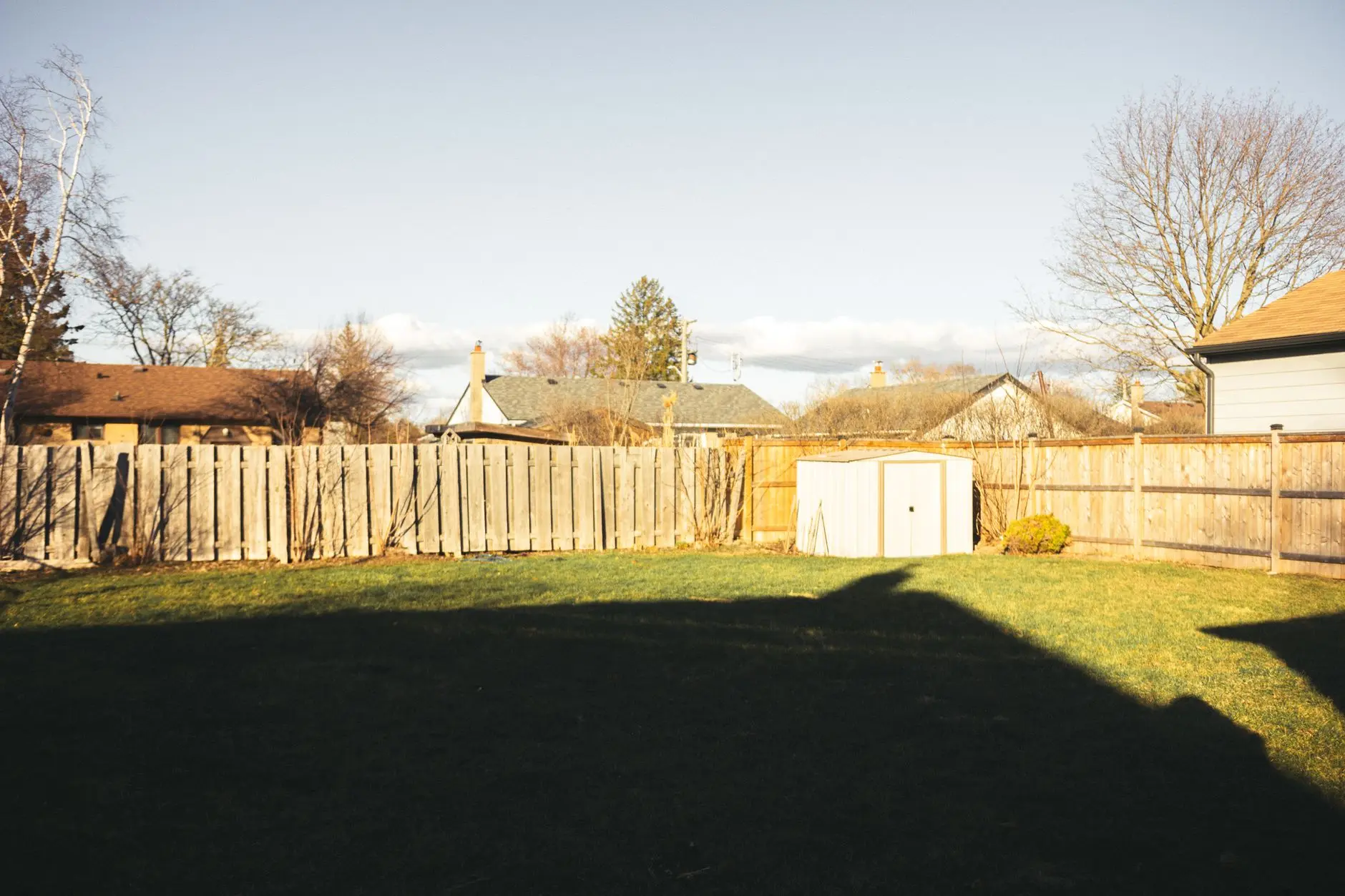
Photo by Shazard R. on Pexels
Lay gravel over the patch of lawn that never grew anyway
Gravel is the cheapest hard surface you can lay yourself, running roughly $1.50–3 per square foot in materials if you buy in bulk instead of by the bag. Strip the sod first, compact 2 inches of crushed stone as a base, then top with 2–3 inches of pea gravel or ¾-inch crushed rock — skip the base and you get ruts by August wherever people walk.
Set a physical edge before the stone goes down. Steel edging, pressure-treated 2×4s on edge, or even a trench backfilled with brick all work; without one, gravel migrates into the remaining lawn like a slow-motion spill and eventually meets a mower blade. Our full walkthrough of a pea gravel patio on a budget has the base depths and edging costs if gravel ends up being most of your yard.
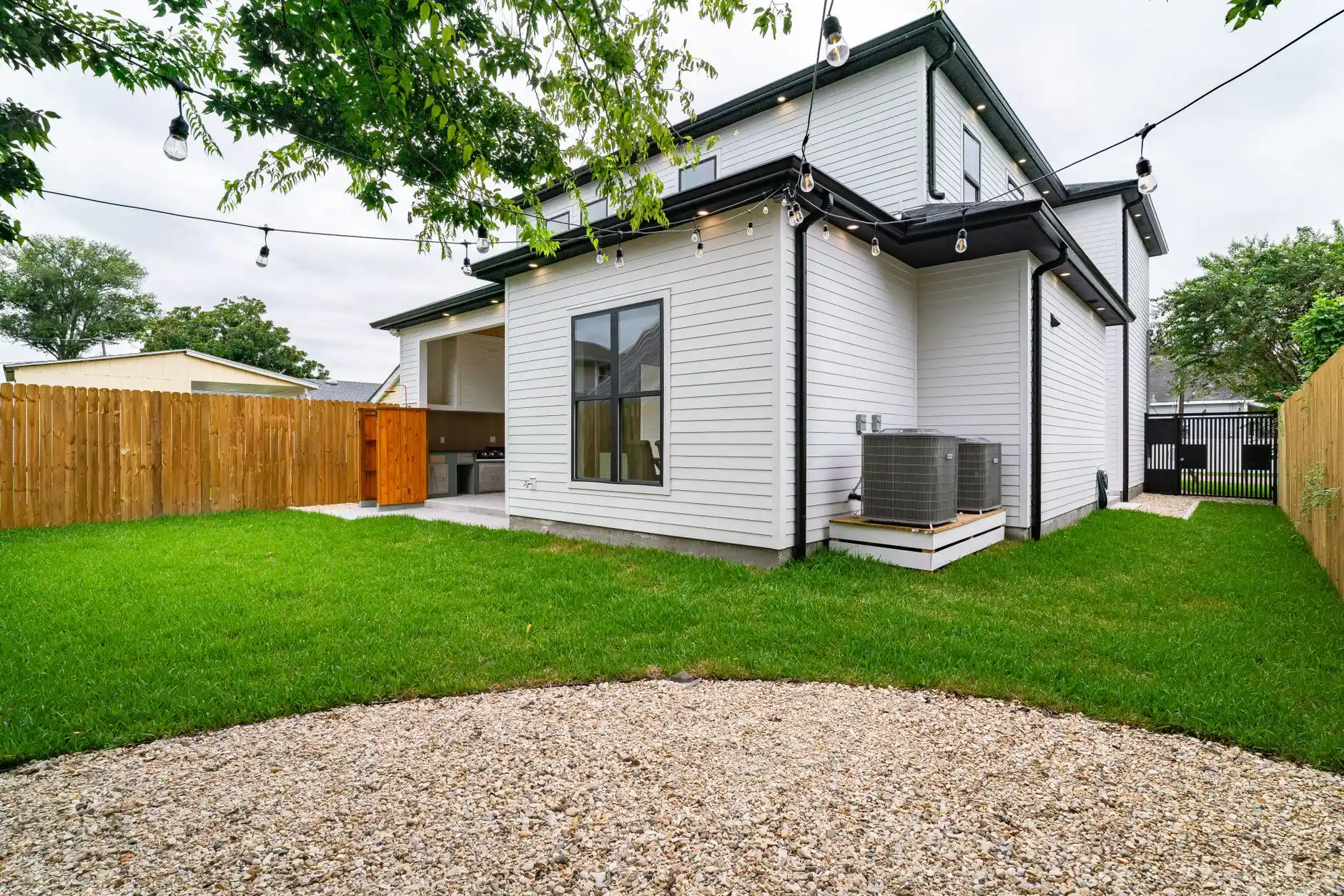
Photo by Chad Populis on Pexels
Set pavers or a stone patio where you actually sit
Pavers cost more than gravel and earn it in exactly one zone: the 100 or so square feet where the chairs and the table live. Concrete pavers run $3–6 per square foot for the units themselves, flagstone $6–12, and both give you a flat surface that doesn’t swallow a chair leg or track into the kitchen on the bottom of a shoe.
Dry-lay them on the same compacted base as gravel — sand-set, no mortar, no concrete pour — and the whole thing stays permeable and repairable. A cracked paver is a $4 problem; a cracked concrete slab is a weekend with a sledgehammer. Mix the two materials and the yard reads intentional: pavers under the furniture, gravel around them, one clean line where they meet.
Mulch the beds along the fence — the cheapest no-grass square footage there is
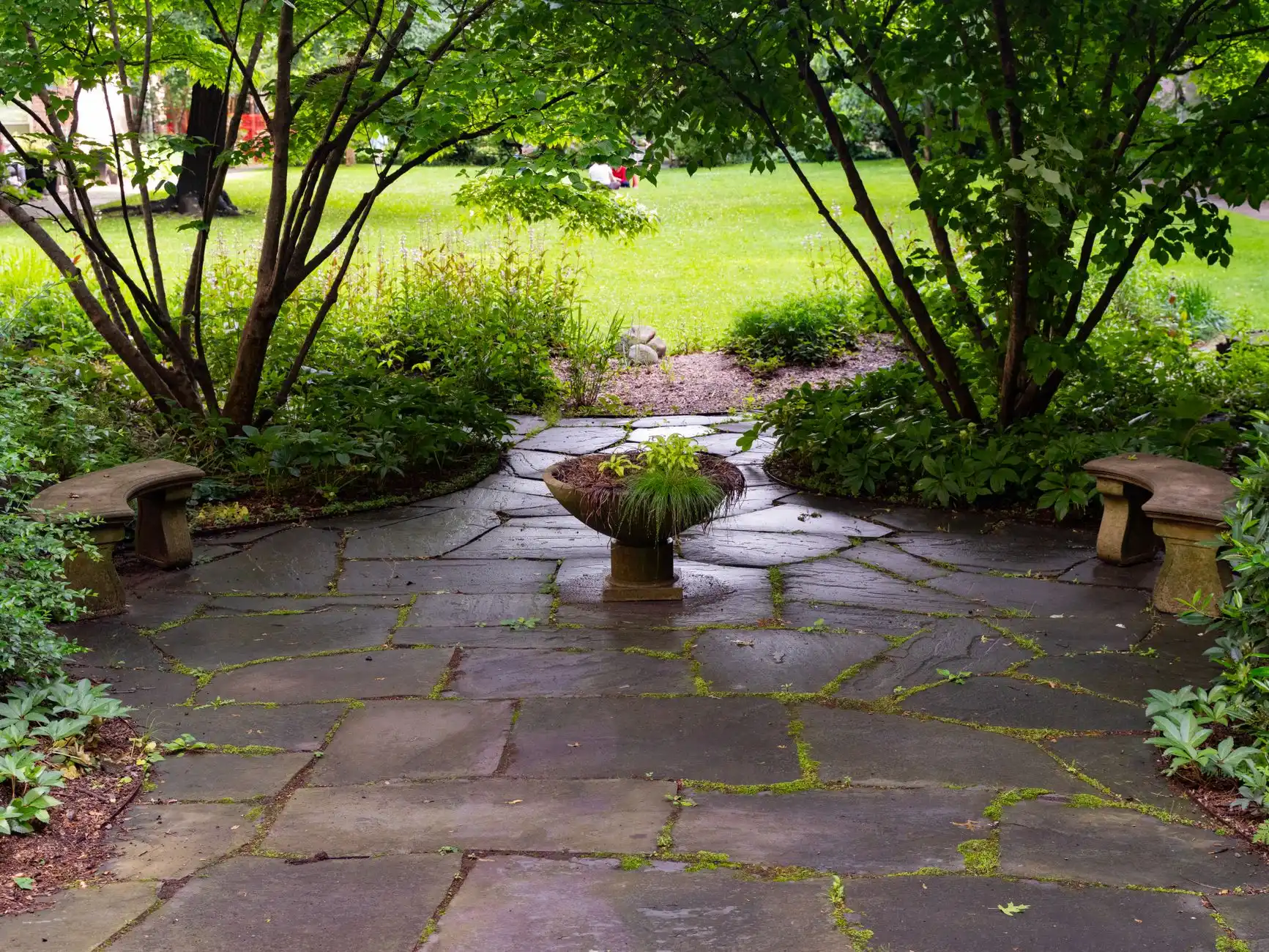
Wood mulch is the cheapest way to eliminate grass at scale: about $30–45 per cubic yard delivered in bulk, which covers roughly 160 square feet at a 2-inch depth. Widen the planting bed along the fence from the usual apologetic 18 inches to a real 4 feet, sheet-mulch over the sod with cardboard underneath, and a third of the lawn disappears in one afternoon for under $100.
Don’t buy the “permanent weed barrier” promise printed on the landscape fabric roll. Washington State University Extension’s review of landscape fabric found it suppresses weeds for a season or two in a permanent landscape, then fails as organic debris builds up on top and seeds root into that layer. Plain cardboard plus 3 inches of mulch does the same job for the price of the boxes your last delivery came in.
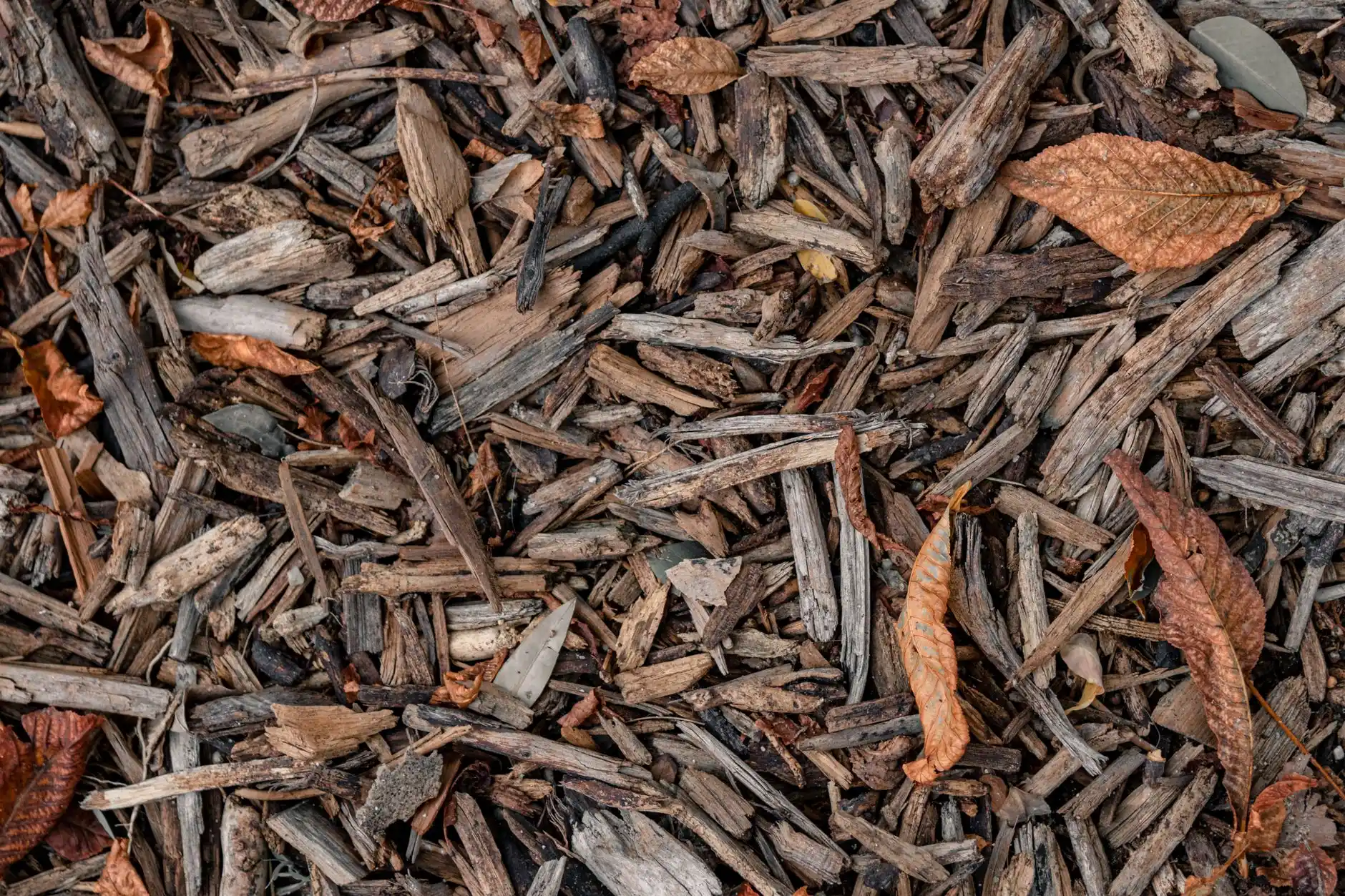
Photo by Jorge Urosa on Pexels
Swap lawn grass for clover, creeping thyme, or another low ground cover
A living ground cover is the cheapest lawn alternative of all if you have a season to wait: clover seed runs about $5–10 per 1,000 square feet, versus $1.50–3 per square foot for anything you lay down. Micro clover stays 4–6 inches tall, feeds itself nitrogen, stays green through a dry August, and takes foot traffic that creeping thyme won’t.
Creeping thyme is the one to plant between pavers and along a pathway rather than across an open plot — it’s slower, pricier per square foot as plugs, and rewards you by smelling like dinner when you step on it. Both still want weeding in year one while they fill in, so this is a substitute for mowing, not a substitute for gardening — a ground cover is cheaper to maintain than a lawn, not free to maintain.
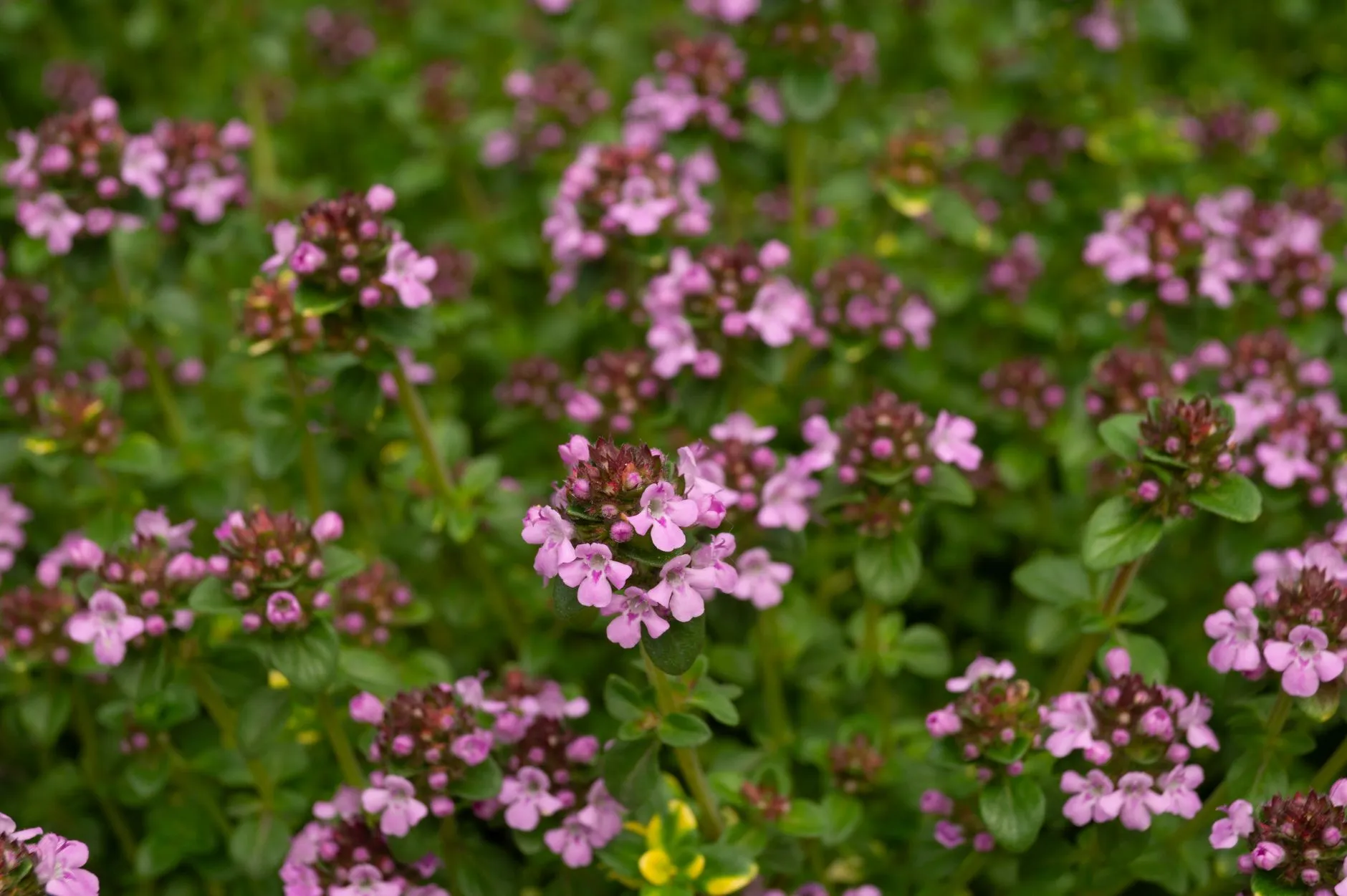
Photo by Nadin Nandin on Pexels
Plant a drought-tolerant border of shrubs, lavender, and ornamental grasses
A drought-resistant border is where a no-grass yard stops looking like a construction site and starts looking like a landscape. Pick drought resistant species matched to your climate zone and soil type — lavender and rosemary in a dry western region, native perennials, wildflowers, and ornamental grasses almost anywhere east of the Rockies — and you get structure that survives on rain plus the occasional deep soak.
Buy small. A 1-gallon shrub is $8–15 and catches up to the $45 three-gallon version of the same plant within two seasons, so the patient version of this border costs a third as much. Native plants also do the thing a lawn never did: feed bees, butterflies, and birds, which is free biodiversity in exchange for planting the thing you were going to plant anyway. A butterfly working a stand of coneflower is the most practical argument for this border we can make.
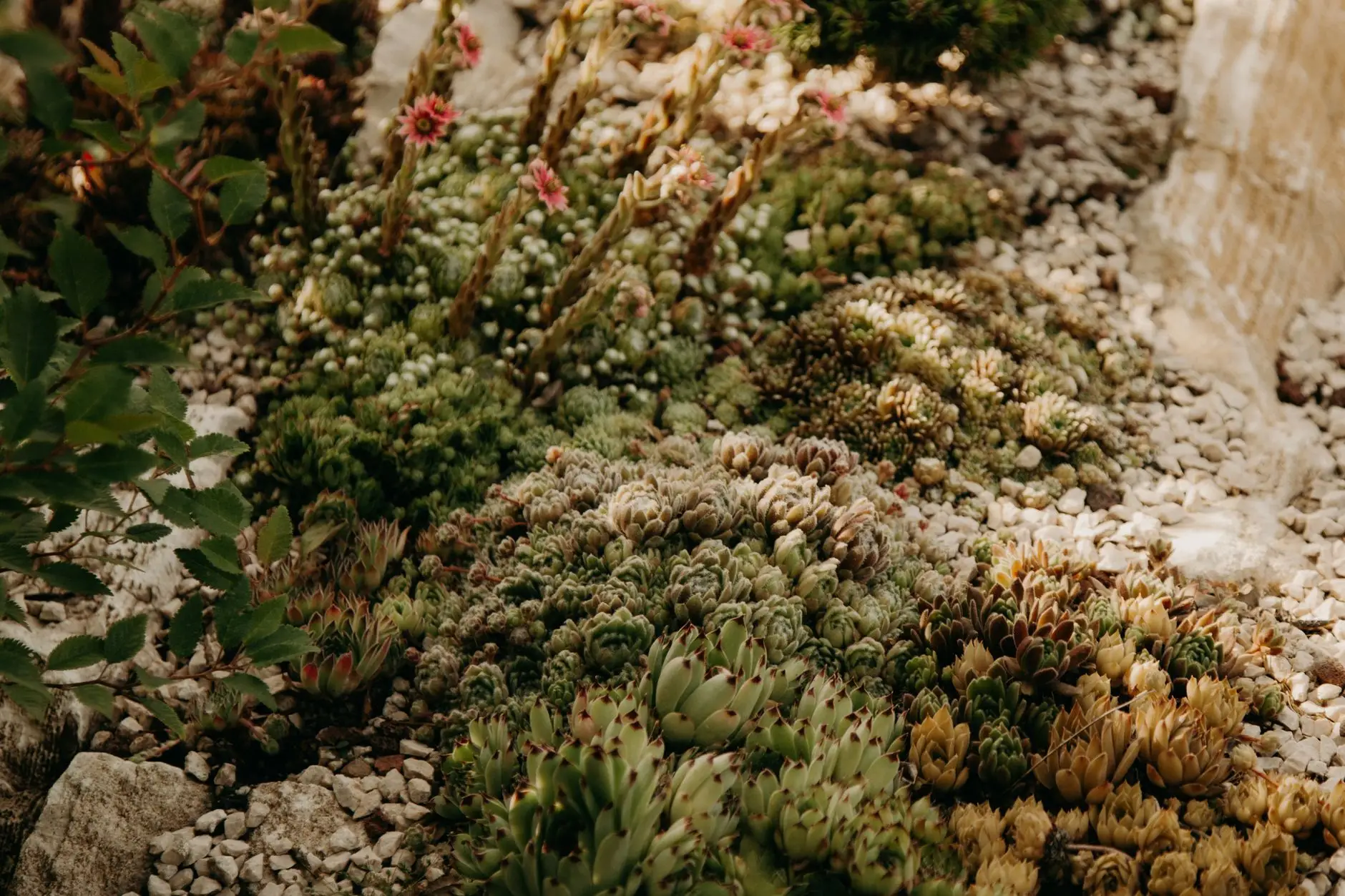
Photo by ROMAN ODINTSOV on Pexels
Artificial turf: worth it in a small backyard, skip it in a big one
Here’s our verdict, and it’s a split one. Artificial turf costs $8–15 per square foot installed, which is two to five times the price of every other option on this list — so it’s worth it on a 200-square-foot townhouse yard where nothing will grow in the shade of two neighboring fences, and it’s a bad trade the moment the area gets big enough that the bill hits four figures.
Gravel and mulch solve the same “grass won’t grow here” problem for a fraction of that, and we’re not going to recommend the expensive version when the cheap one does the job. Turf also runs hot in full sun, drains only as well as the base under it, and has a real lifespan — 10 to 15 years, then you pay to remove a large plastic rug.
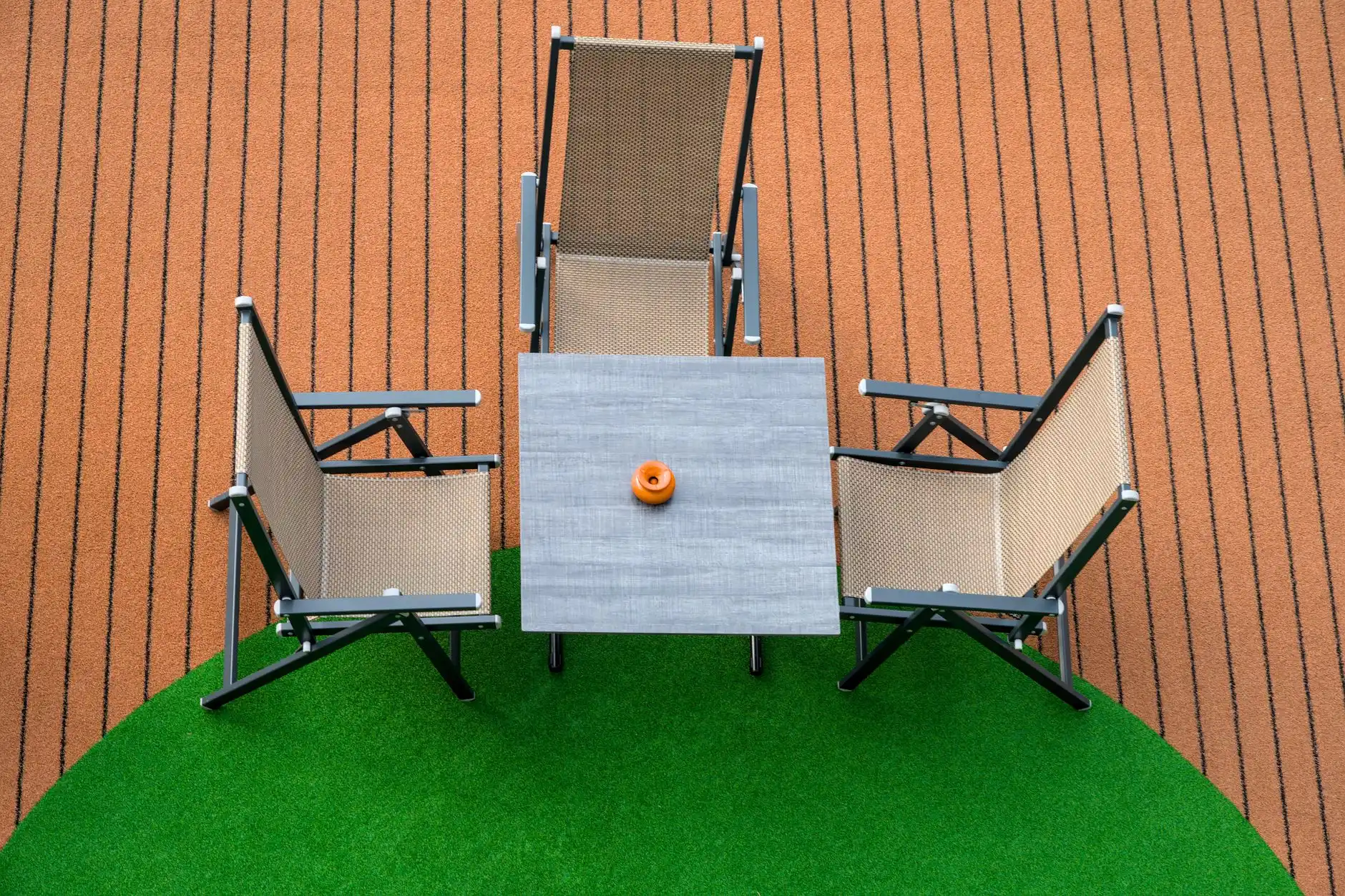
Photo by Jean-Paul Wettstein on Pexels
Build a low deck over dead grass instead of digging it out
A ground-level deck is the only option here that lets you skip the demolition entirely — frame over the dead lawn on concrete deck blocks, and the grass underneath gives up on its own within a month. Pressure-treated lumber runs $15–25 per square foot for a DIY build, composite closer to $30–45, which puts a modest 10×10 platform in the $1,500–2,500 range.
That’s the priciest idea on this list, so treat it as the one zone you splurge on rather than the plan for the whole yard. It earns its price where the ground slopes or holds water: a deck floats level over a grade that would cost a fortune to fix with fill and retaining walls, and you never have to level anything again.
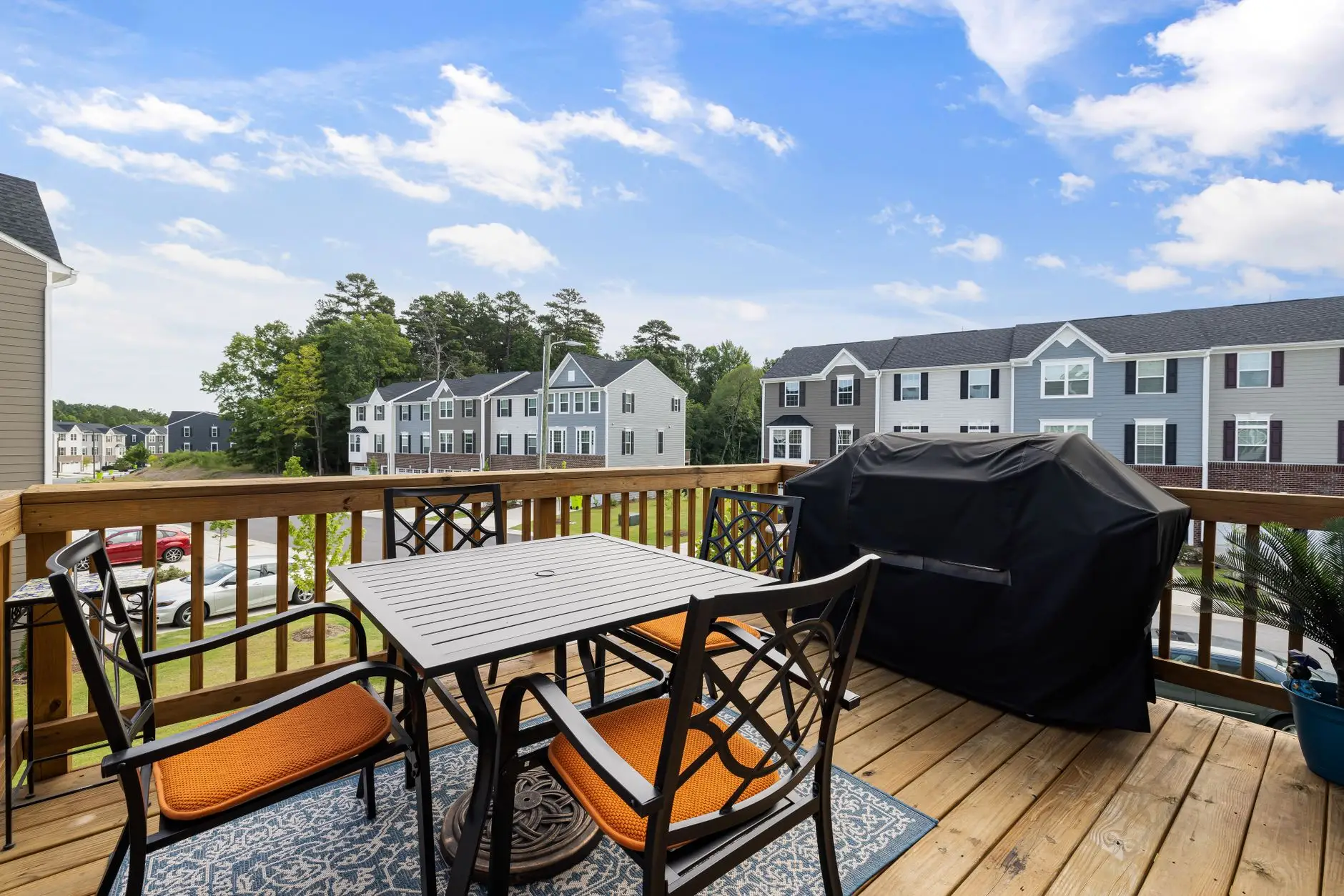
Photo by Curtis Adams on Pexels
Move the garden into raised beds and containers
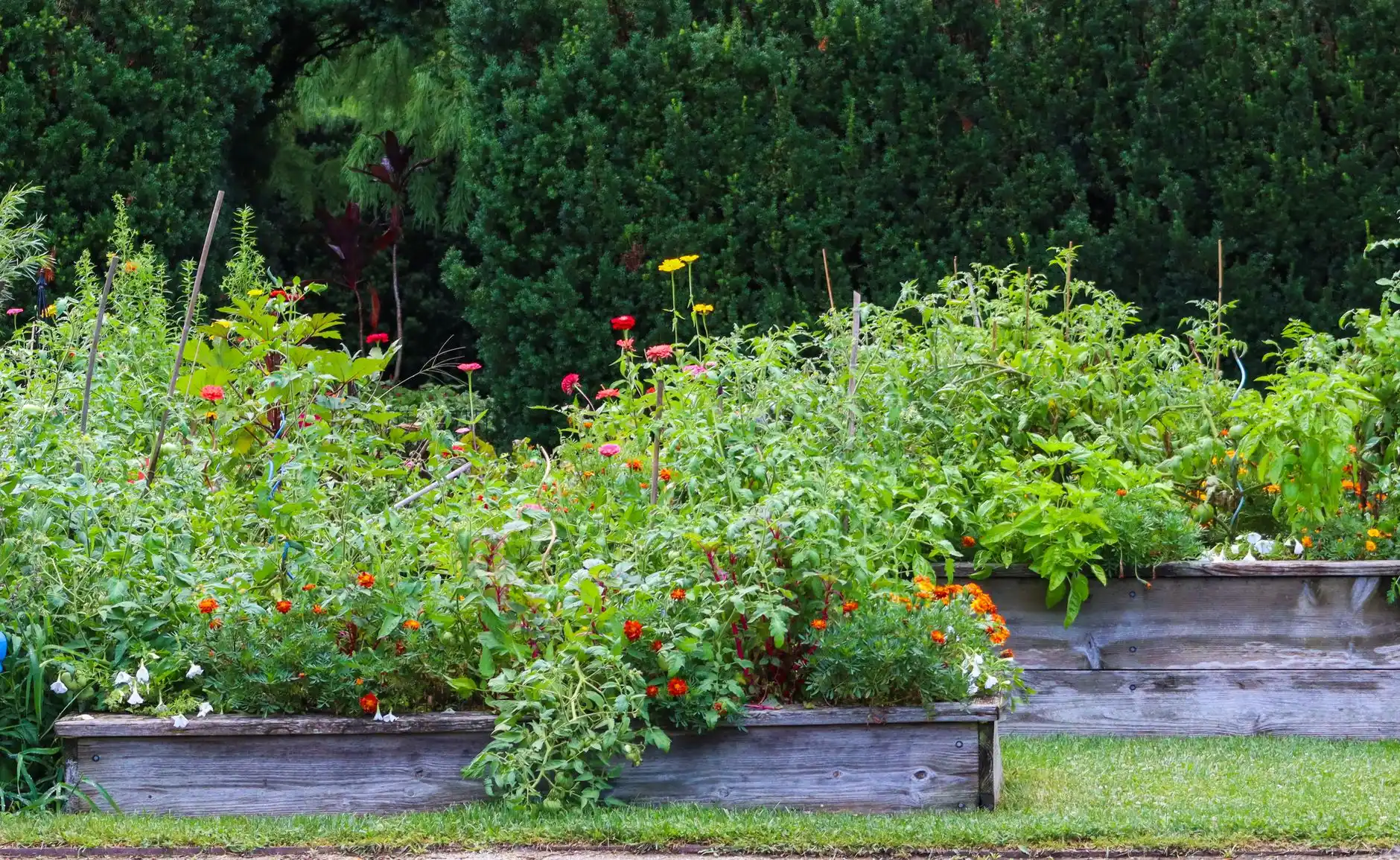
Raised beds turn the awkward leftover parts of a no-grass yard into the most useful square footage you have. A 4×8 bed built from two 2×10×8 boards and four corner brackets costs $60–90 in lumber, holds about a cubic yard of soil at $35–50 delivered, and gives you vegetables, a cut flower garden, or a dense block of perennials in a footprint that needs zero mowing.
Keep the paths between beds at 30 inches minimum, or you’ll be shuffling sideways with a full watering can every single time. Containers do the same job with less commitment and are the honest answer for a rental: a half-dozen 15-gallon pots on gravel read as a garden, and they leave with you when the lease ends.
Make the no-grass backyard dog-friendly before the dog decides for you
For a dog, losing the lawn is usually an upgrade, because a no-grass yard is a no-mud yard and nothing gets tracked across the kitchen after a rainy week. Pea gravel and smooth river rock are comfortable underfoot in a way sharp crushed stone isn’t; mulch works too, but skip cocoa mulch entirely, since it’s toxic to dogs.
Leave one soft zone. A dog that has nowhere to dig, lie down, or do its business on a forgiving surface will pick a spot for you, and it will be your new drought-tolerant border. A 6×8 patch of clover, mulch, or turf near the back door covers it, and a hose-down every couple of weeks keeps a stone surface from holding what soil would have quietly composted.
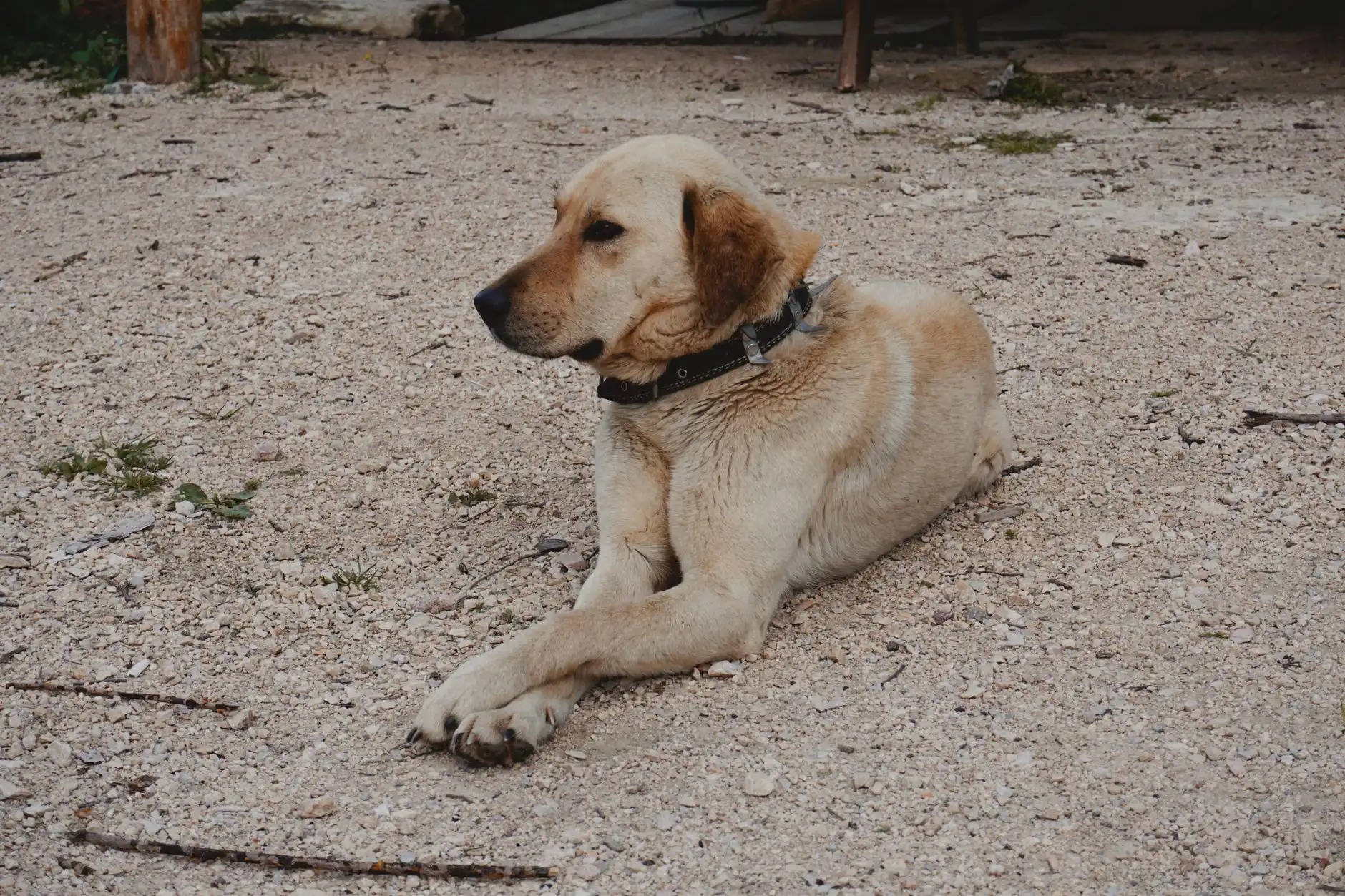
Photo by Yana Kangal on Pexels
Screen the fence line with planter trellises, not a permanent structure
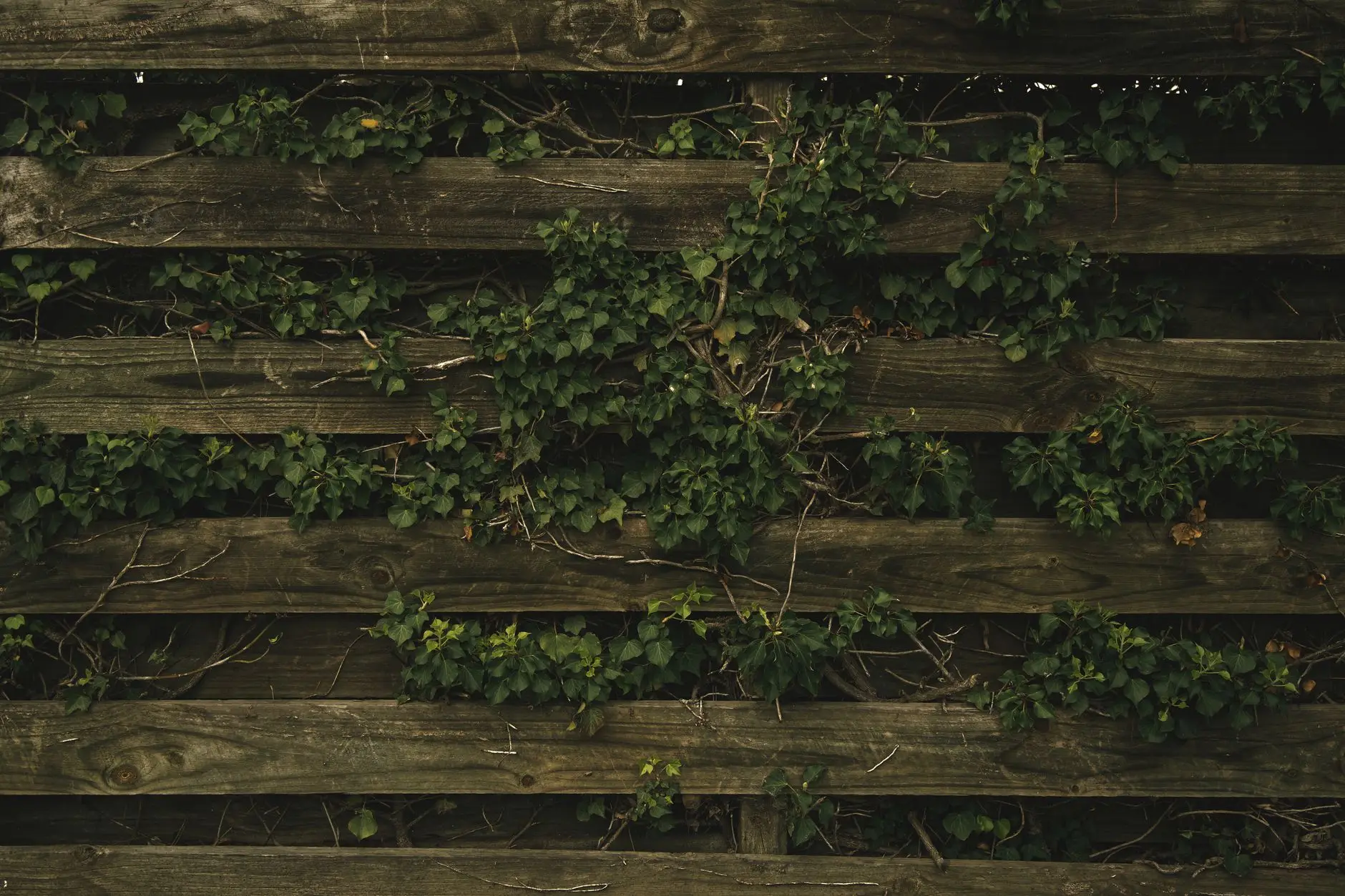
A bare fence makes a no-grass yard look emptier than it is, and the fix costs $40–80 per panel: a wood trellis staked into a large planter, with a climbing vine that covers 6 feet of it in two seasons. Three of those along the fence do what a $900 privacy structure does, in stages, with no post holes.
Check the HOA covenants first. We put up a 6-foot trellis along a townhouse fence line on a Saturday and took it down the following Tuesday after a very polite letter about structures over 4 feet — the replacement plan, the same panels staked into big pots and therefore technically freestanding furniture, passed with zero complaints and looked nearly identical. Same look, one letter’s worth of difference.
Here’s the honest math: what a no-grass backyard landscape costs on a budget
Most no-grass roundups quote the price of the material and stop there, so here’s the total instead. For a 500-square-foot backyard done in mixed surfaces: a 10×10 paver seating area at $400–600, 200 square feet of gravel at $300–600, 150 square feet of mulched beds at $60–90, clover seed across the rest for $15, plus $150–250 in edging and a few 1-gallon shrubs. Real total: $925–1,555, spread over as many weekends as you like.
Against that, an artificial-turf version of the same 500 feet lands at $4,000–7,500 installed — which is the whole argument for mixing cheap surfaces instead of committing to one expensive one. The ongoing side is where you actually win: no mower, no fertilizer, no seasonal overseeding, and much less irrigation, which matters more than it sounds, since the EPA’s WaterSense program notes the average US household uses more water outdoors than for showering and washing clothes combined.
Photo by Mathias Reding on Pexels
If the yard already leans toward exposed wood, black metal, and a working-farmhouse look, these surfaces sit inside that style without a full modern farmhouse renovation — and our no grass backyard makeover Look pulls the exact edging, ground cover seed, and planter trellises above into one shoppable list. For the fire-pit corner that usually ends up in the middle of all this gravel, we costed that out separately in backyard ideas with a fire pit.
Start with the zone map and the one patch of lawn that already gave up. Every other decision on this list is just choosing what goes on top of ground you’d stopped mowing anyway.
Frequently asked questions
How can I make my backyard look nice without grass?
Break the yard into zones and give each one a different surface: gravel or pavers where you sit, mulch beds along the fence, and a low ground cover like clover across the open middle. The variety is what reads as designed — a single material edge to edge reads as a parking lot, not a landscape.
What is the cheapest ground cover for a backyard on a budget?
Wood mulch is the cheapest per square foot, usually $30–45 per cubic yard delivered in bulk, covering about 160 square feet at 2 inches deep. Clover seed is the cheapest living option at roughly $5–10 per 1,000 square feet, though it needs a season to fill in and still wants occasional water.
What can I put in my backyard instead of grass?
Gravel, wood mulch, pavers or flagstone, a low deck, artificial turf, and living ground covers like clover, creeping thyme, or native plants are the six real options. Most yards end up using three or four of them together rather than committing the whole plot to one surface.
Is a no-grass backyard cheaper than a lawn?
It costs more up front and much less every year after. Expect $2–6 per square foot installed for gravel or mulch versus near-zero for grass you already have, then save the mowing, fertilizer, and irrigation water — the EPA notes US households use more water outdoors than for showering and laundry combined.
Do I need a permit to remove my lawn?
A permit is rarely required to remove grass itself, but HOAs and some municipalities do regulate what replaces it — visible gravel in a front yard, fence-line structures over a set height, and hard surface coverage limits are all common restrictions. Check your HOA covenants before ordering materials, not after.