
Backyard & Patio
Small Backyard Patio Ideas on a Budget
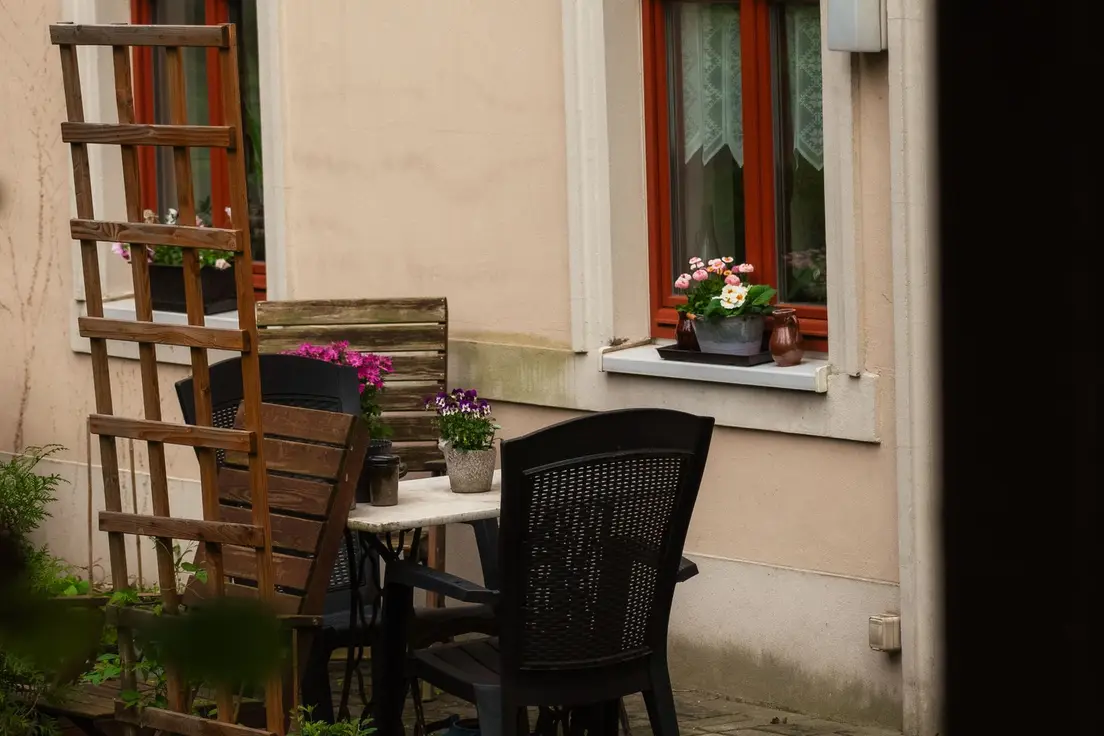
The best small backyard patio ideas on a budget start with the floor, not the furniture. Below are 11 real, DIY-scale upgrades for a small backyard patio — gravel and paver options that don’t require ripping anything out, outdoor furniture sized for the space you actually have, and the honest math on what turning a bare slab into real outdoor living space actually costs when you add it up instead of guessing.
Cover the Slab With Pea Gravel Instead of Tearing It Out
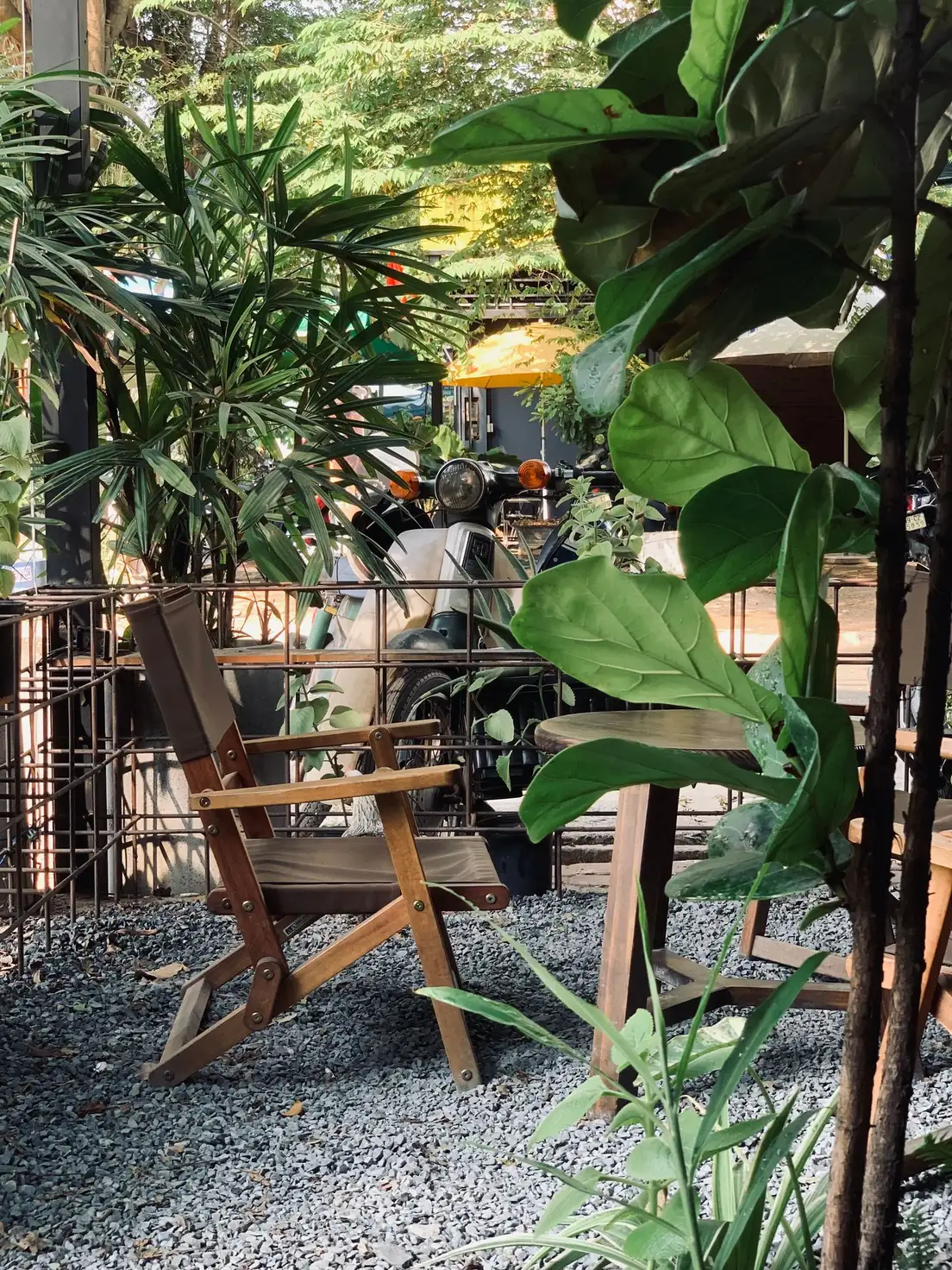
Pea gravel is the fastest way to hide a cracked or stained concrete slab without demolition. Lay landscape fabric over the existing surface, edge the area with plastic or metal landscape edging, and pour 2–3 inches of pea gravel on top — a 10×10 area runs $150–250 in materials, one weekend, no contractor. It also solves drainage: gravel lets rain through where a solid slab pools it. A slab that reads like the back lot of a strip mall gets covered in an afternoon and looks like a decision, not a default. Skip pea gravel if your patio slopes toward the house — regrade first, or the gravel just moves the puddle instead of fixing it.
Lay Interlocking Pavers Over the Concrete You Already Have
Interlocking concrete pavers can go directly over a sound existing slab with a sand-leveling layer underneath — no jackhammer required, unlike a full paver patio built from bare dirt. Unilock’s base-prep guide calls for a compacted, level base under any paver layer, which on top of existing concrete just means a 1-inch bed of coarse sand, screeded flat before the pavers go down. Budget $6–12 per square foot for basic concrete pavers, materials only — for a 10×10 patio, that’s $600–1,200, more than gravel but a real permanent hardscape upgrade. If the paver route feels like a bigger project than a weekend, our guide to patio ideas with pavers walks through pattern choices and tool rental in more detail.
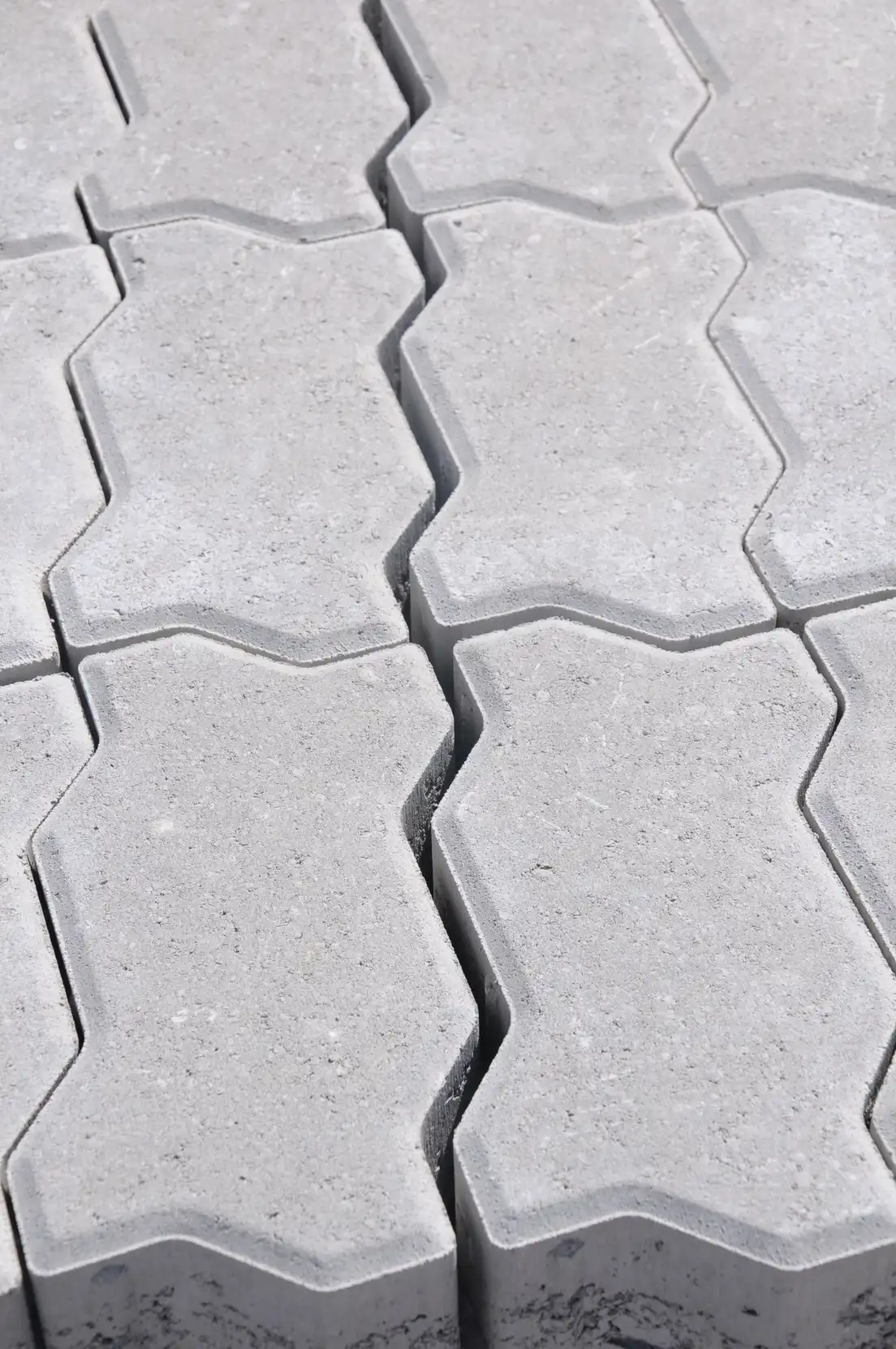
Photo by Moussa Idrissi on Pexels
Anchor the Space With an Outdoor Rug, Even on Gravel
A rug is almost always the highest-leverage purchase you can make on a small patio — it does more to make an outdoor space look finished than any single piece of furniture, and it works on top of gravel or pavers alike. Go bigger than feels reasonable: an 8×10 rug on a 10×10 patio, not a 5×7 that floats in the middle like a pool toy. Stick to polypropylene or a labeled indoor/outdoor fiber — a regular jute or wool rug left outside will mold within a season in most US climates, no matter how it’s marketed. We measured a rug for a patio off a photo once instead of the actual slab, ordered an 8×10 for a space that turned out to be 11×13 once the planter boxes were accounted for, and paid $40 over budget on the exchange. Measure the actual ground, not the picture of it.
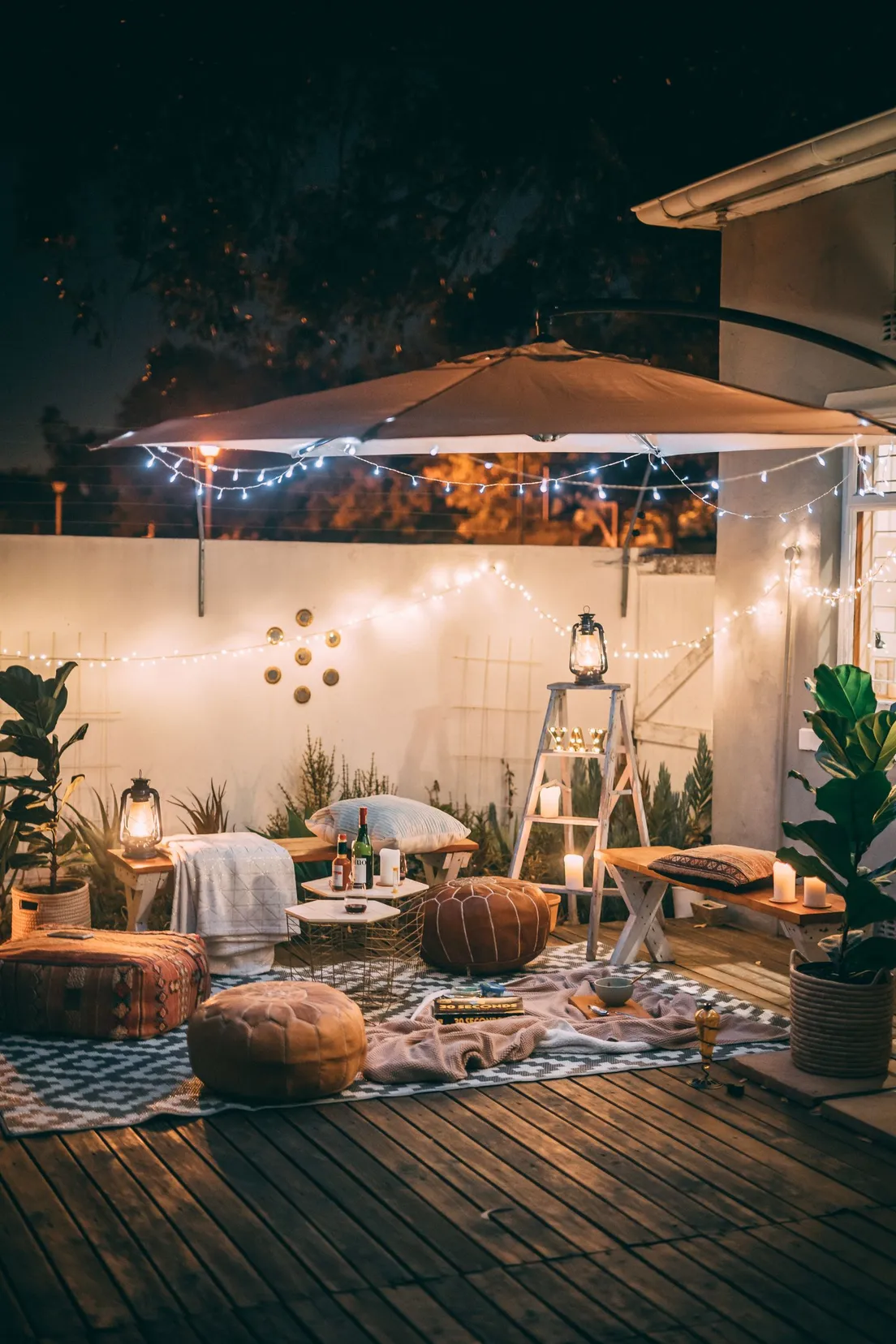
Photo by Taryn Elliott on Pexels
Swap the Big Patio Set for a Small Bistro Table and Two Chairs
A full six-seat dining set on a slab built for four people just means four empty chairs staring back at you all summer. A 24–28 inch bistro table with two folding or stacking chairs fits a 10×10 patio with walking room left over, and runs $80–150 for the set new, less secondhand. Measure the doorway and the gate before you order anything over 24 inches in any dimension — the single most common return reason in this niche isn’t the wrong style, it’s furniture that doesn’t fit through the gap it has to pass through. If two seats genuinely isn’t enough some weekends, add a single extra folding chair from storage rather than buying a bigger table and chairs set for four extra uses a year.
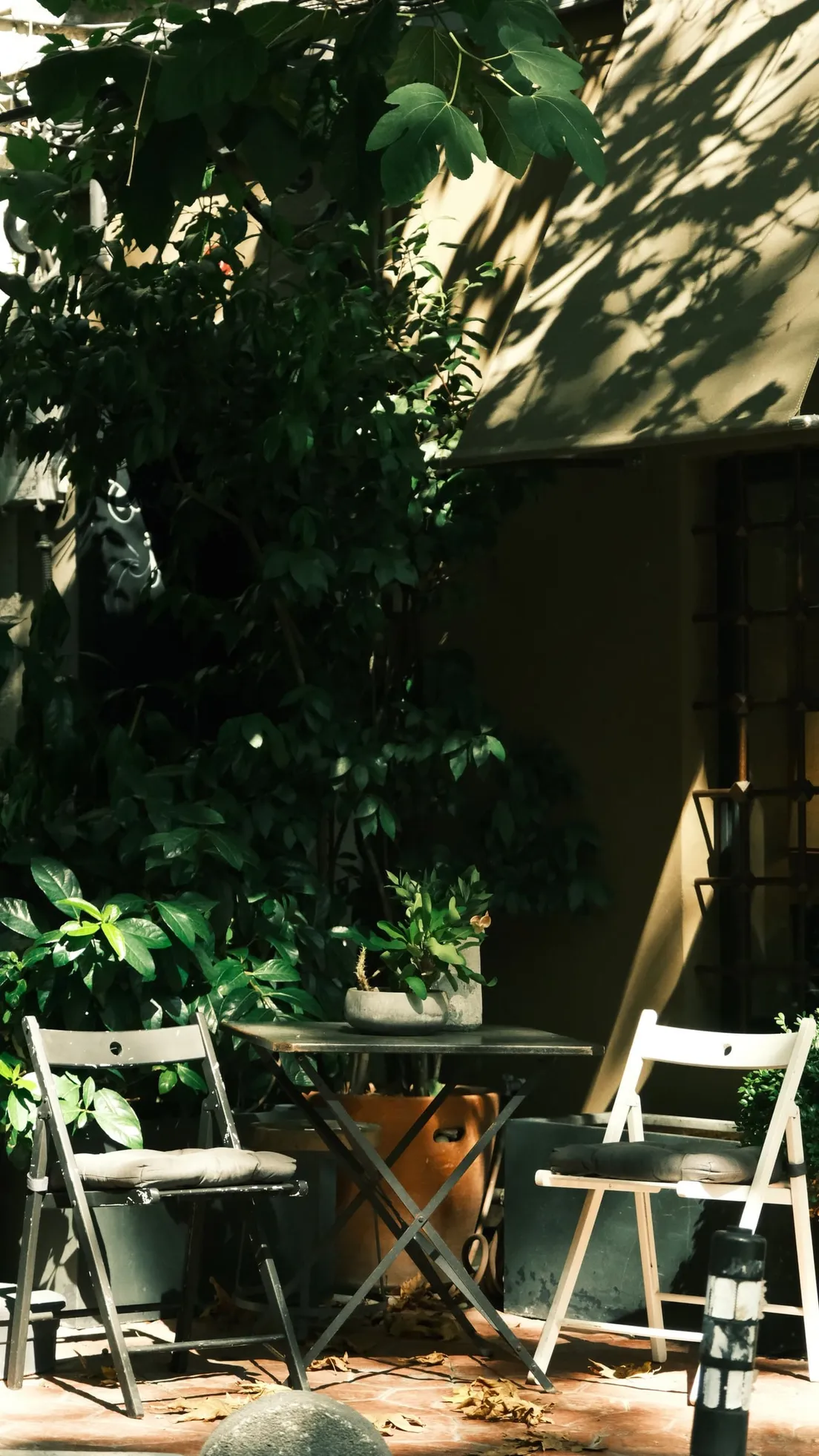
Photo by Rahime Gül on Pexels
Build a Simple Pergola or Shade Sail Instead of a Full Roof
A freestanding shade sail runs $30–70 and a basic wood pergola kit runs $150–400 to provide shade — both a fraction of a full solid-roof cover, and both go up in a day without a permit in most areas since they’re not attached to the house. Our first pergola kit came with a diagram that assumed two people and infinite patience; we had one person and neither, and it still got done by dinner. Check your HOA or lease before anything freestanding goes up over 4 feet — visible structures are one of the more common things they flag, even temporary ones. For a deeper look at roofed and covered options, our covered patio ideas guide breaks down pergolas, awnings, and solid roofs side by side.
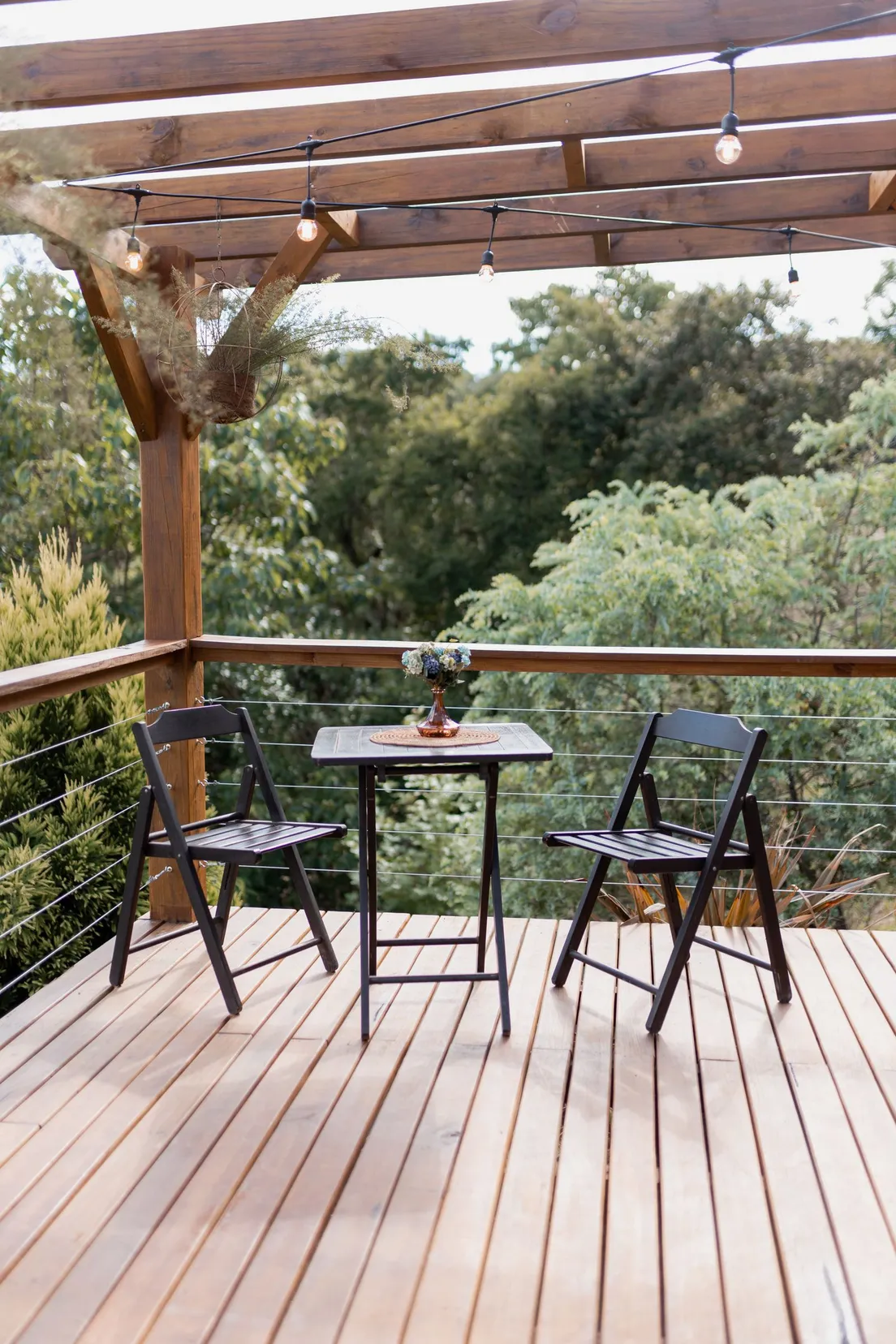
Photo by Alexander Mass on Pexels
Train a Vine Up a Cheap Trellis When You Can’t Go Wide
A small space can’t get wider, but it can always go up. A $30–50 wood or bamboo trellis leaned against a fence or wall, planted with a fast climber like clematis or morning glory, adds privacy and greenery without eating a single square foot of floor space. A bare fence reads like the back of a stage set; six months of vine on a trellis reads like it was always the plan. Most fast climbers take one full growing season to fill in, so plant in spring if privacy by summer is the goal, and expect a bare-looking trellis for the first few months — that’s the plant working, not a failed purchase.
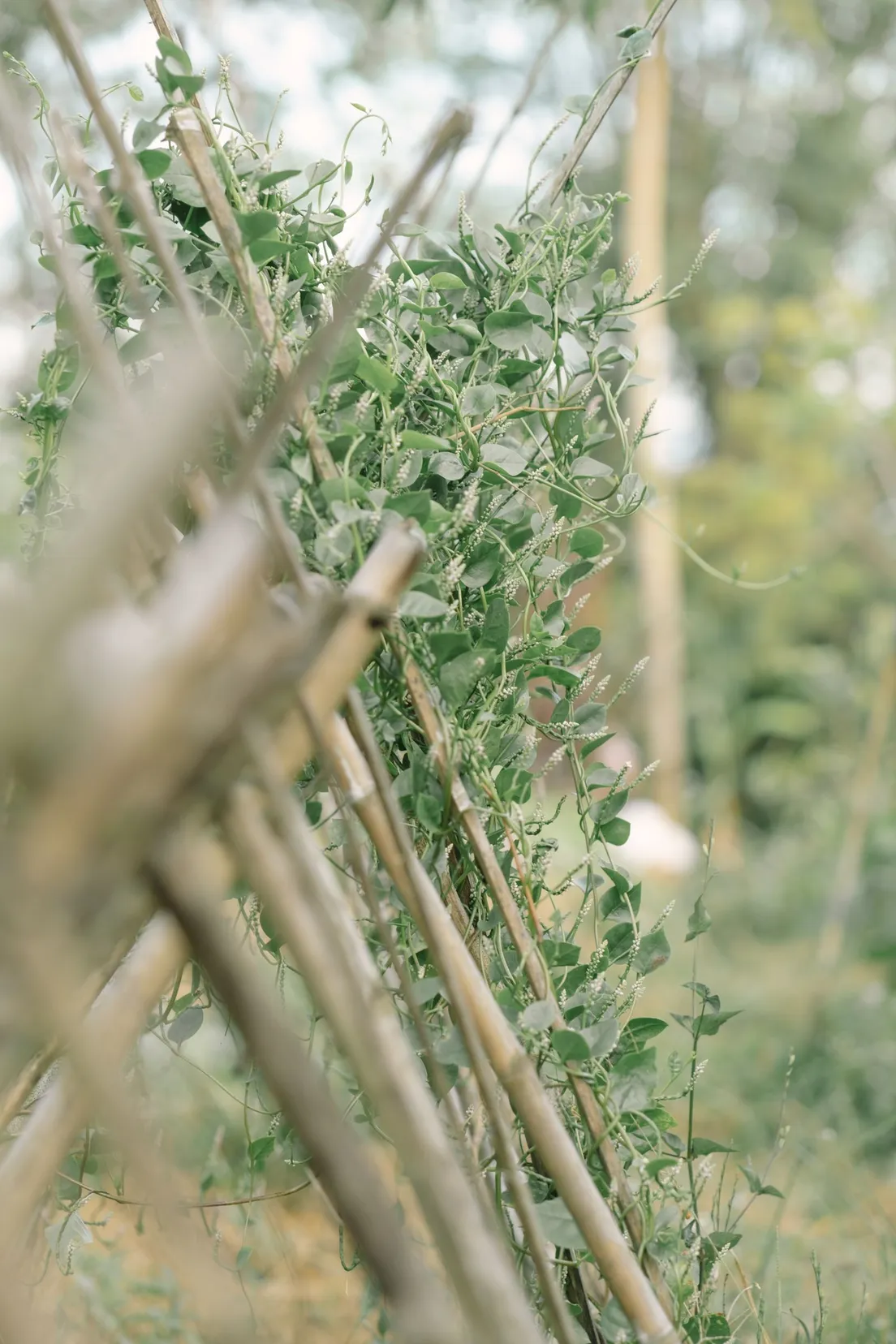
Photo by Pew Nguyen on Pexels
Flank a Bench With Planters Instead of Buying Extra Seating
A simple wood bench flanked by two planter boxes does double duty as seating and greenery in the footprint of one piece of furniture — buy one more chair and it’s just furniture; build the same bench with planters on the ends and it reads like built-in seating, which sounds like it cost a lot more than it did. A basic cedar bench runs $80–150 built or bought unfinished, and two 18-inch planters add another $40–60. Add an outdoor cushion for comfort — a bare wood bench photographs fine and sits badly for anything over ten minutes.
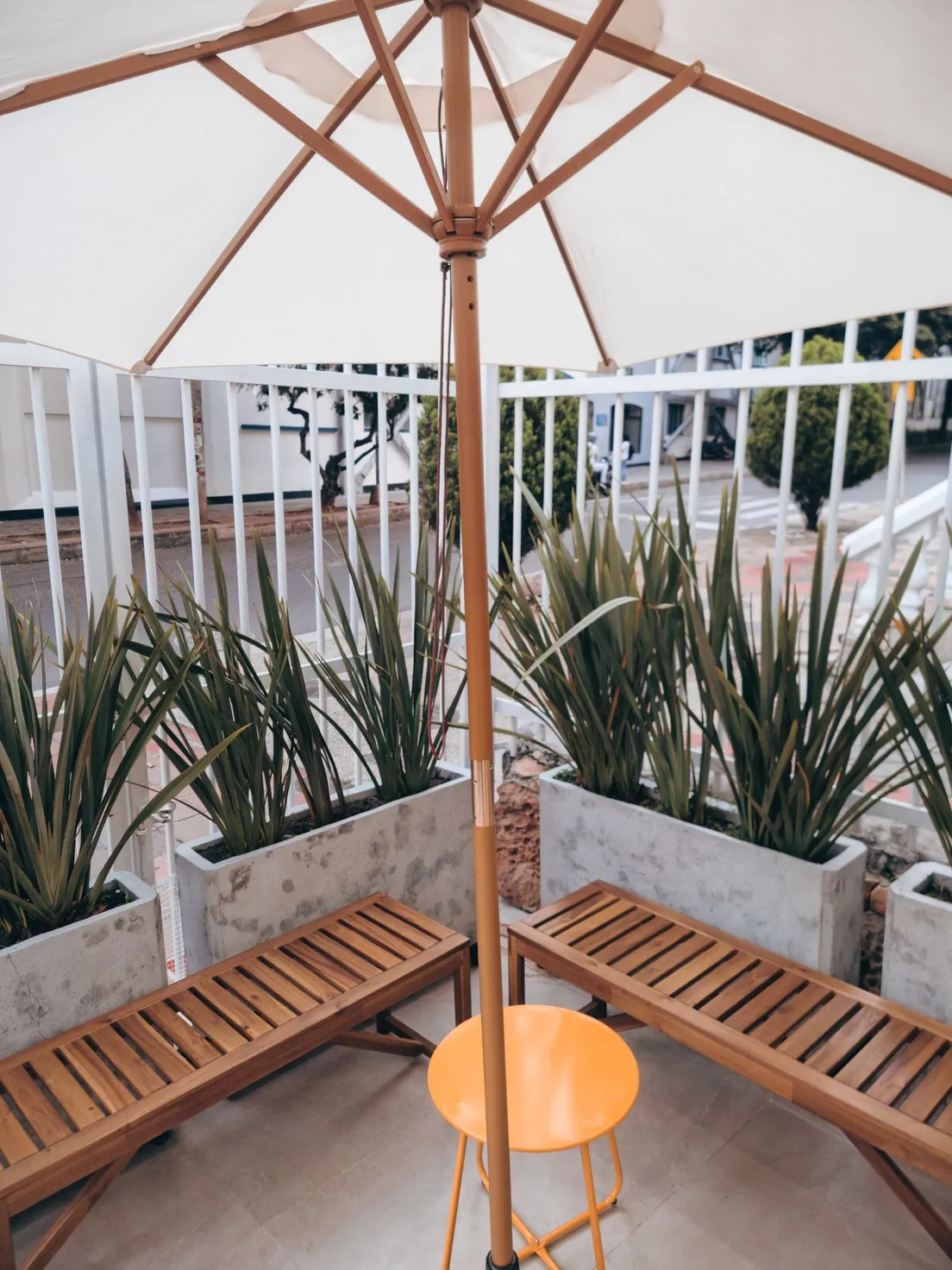
Photo by Andres Villamizar on Pexels
Group Potted Plants Into One Container Garden Instead of Digging Beds
Skip digging a garden bed into a small patio’s limited square footage — cluster potted plants of varying heights into one container garden instead, which reads as more intentional than the same plants scattered around the edges. Mix one tall plant (a potted tree or tall grass), two or three mid-height flowering plants, and a trailing variety at the front, and budget $15–35 per pot depending on size and what’s already growing in it. Our own plant count has a way of doubling every time we walk past the discount rack, and the patio is always smaller than the ambition — group first, then decide if there’s genuinely room for more.
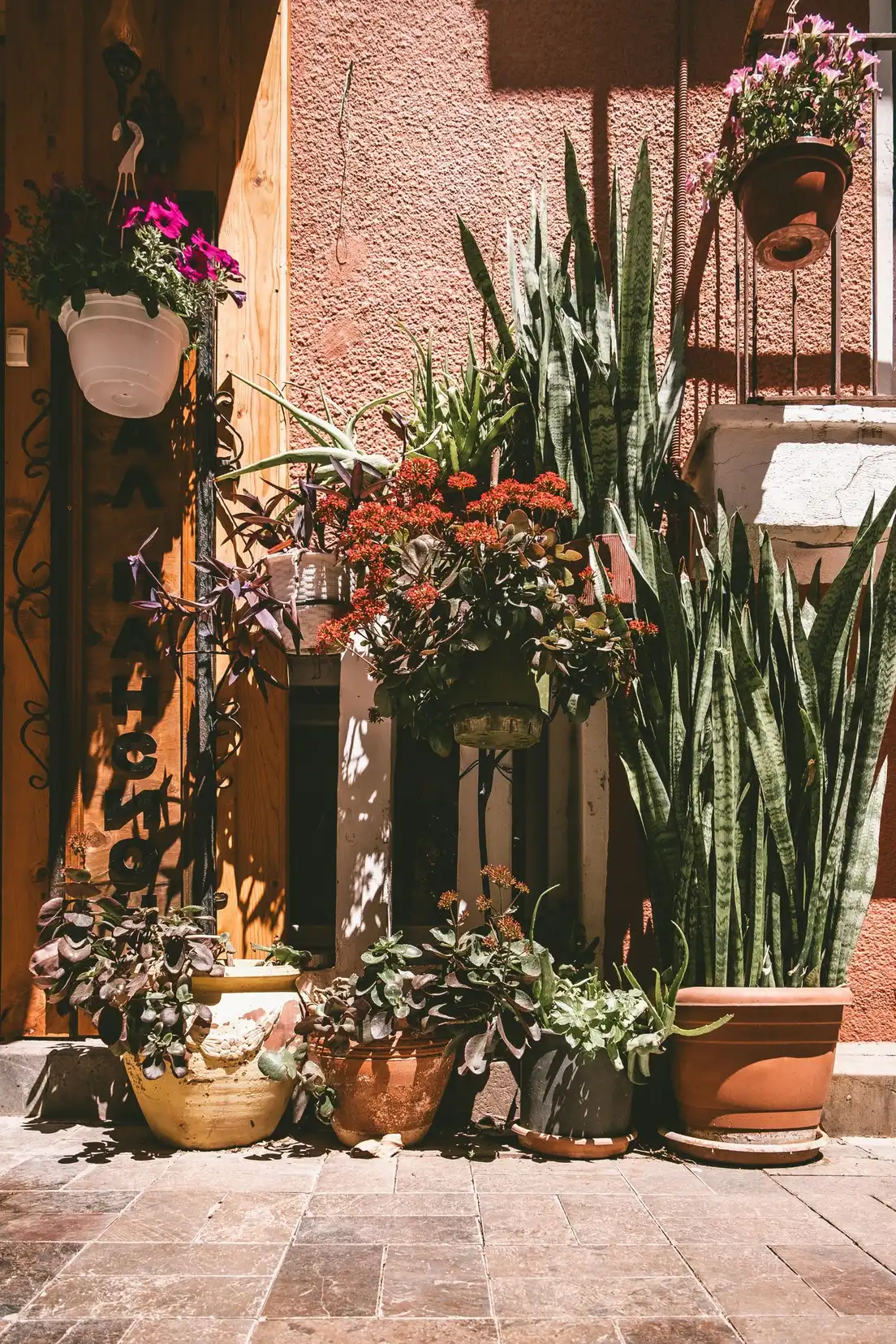
Photo by Ayşegül Aytören on Pexels
String Lights Overhead Instead of Relying on One Fixture
A single porch light leaves half a small patio in shadow after dark; a $30–40 shatterproof string-light set strung corner to corner lights the whole footprint for less than one dinner out. The unlit half of a patio doesn’t look mysterious once the sun’s down — it just looks unfinished. (Check your HOA or lease before running lights to a fence line or a freestanding post — visible outdoor additions are a common flag, string lights included, even though most people never think to check.) A small fire pit or tabletop fire bowl pairs well with string lights for a fall evening, though sizing one for a small footprint is its own project worth a dedicated look later.
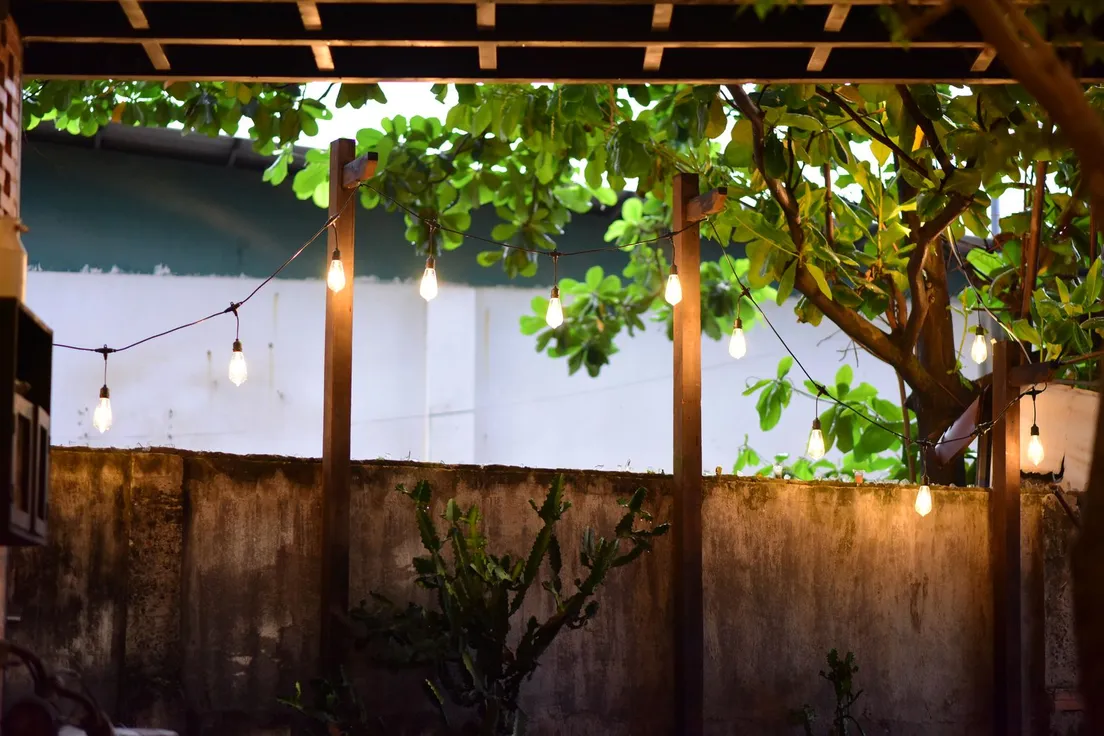
Photo by Sóc Năng Động on Pexels
Keep One Focal Piece and Let the Rest Stay Simple
A patio with twelve small decorative things on it reads like a garage sale; a patio with one good thing on it reads like a choice. Pick one focal point — a single large potted plant, one well-made chair, or a piece of art leaned against the fence — and let the rest of the space stay plain around it. Plain reads cozy on a small patio; cluttered just reads chaotic. It’s the same restraint behind our warm minimalism style guide: fewer, better objects instead of a full set bought at once. A small footprint makes clutter more visible, not less, so the discipline pays off faster outside than it does in a bigger room.
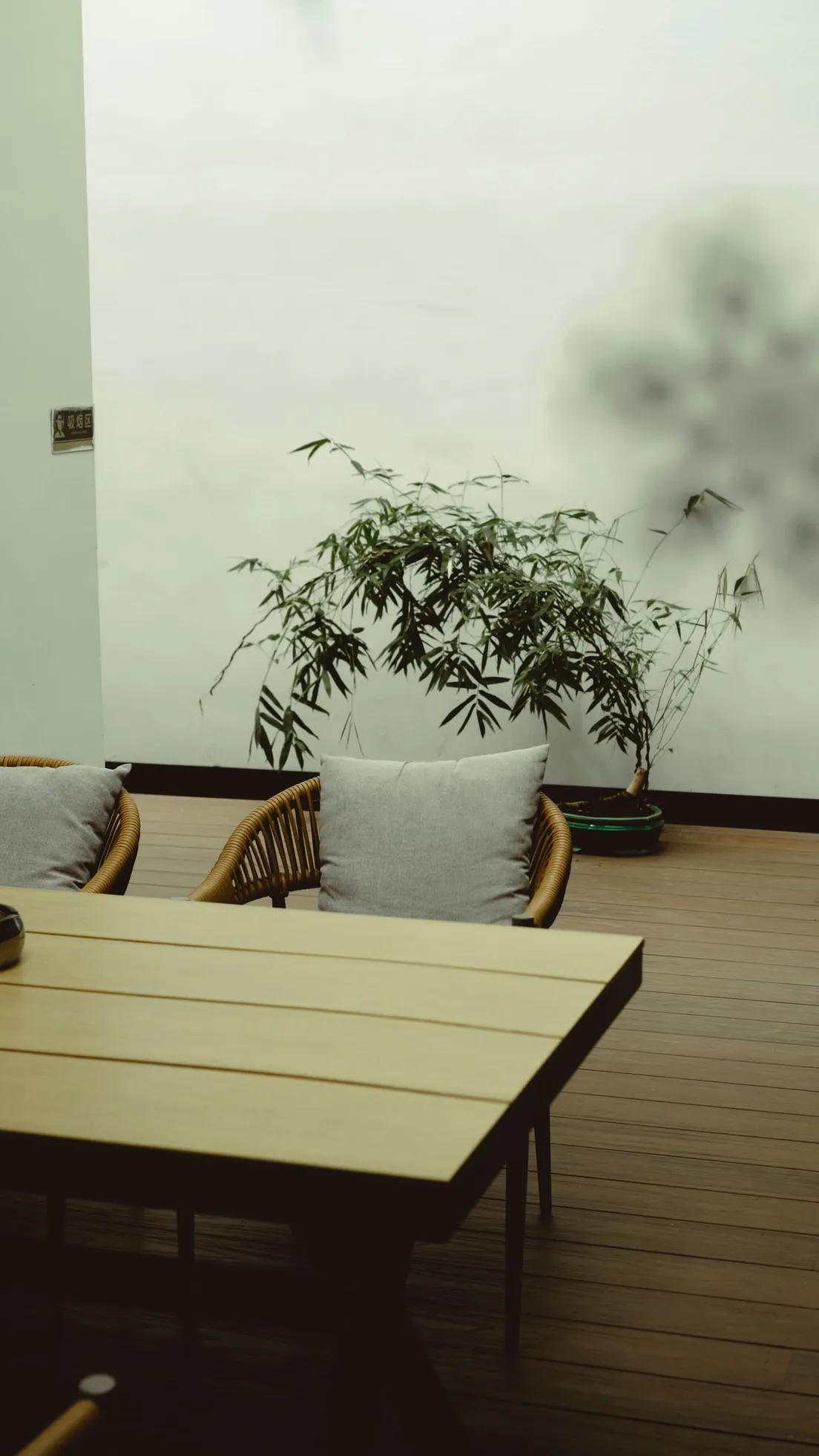
Photo by Usman AbdulrasheedGambo on Pexels
The Honest Math: What a Small Backyard Patio Makeover Actually Costs
Here’s the honest math, added up instead of estimated: pea gravel for a 10×10 floor ($180), an 8×10 outdoor rug ($150), a bistro table and two chairs ($120), a trellis with vine starts ($45), a shatterproof string-light set ($34), and a cluster of four potted plants ($60) comes to $589 in new purchases for a full small patio, floor to lighting. Swap gravel for pavers over an existing slab and the floor line jumps to $600–1,200, pushing the total toward $1,000–1,600 — a real permanent upgrade, not a cosmetic one. Skip the floor work entirely if the existing slab is sound and just cracked-looking, and the same list runs closer to $400.
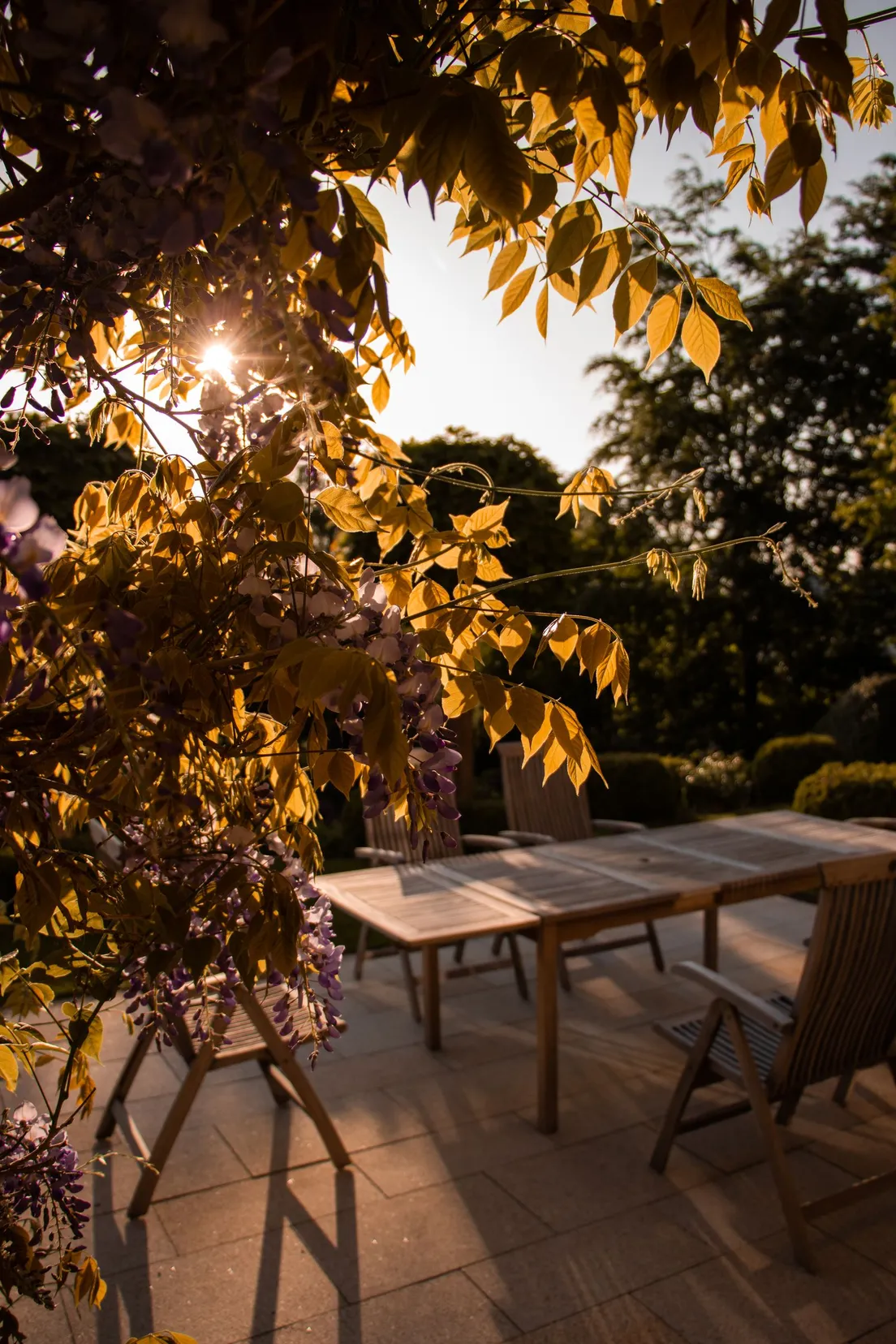
Photo by Tobi & Chris on Pexels
Start with the gravel or the pavers — everything else on this list looks like an upgrade once the ground stops looking like an afterthought.
Frequently asked questions
What is the cheapest way to make a small patio?
Pea gravel over landscape fabric is the cheapest real floor upgrade — about $150–250 for a 10×10 area including edging, with no demolition needed. Add a secondhand or budget bistro set and a $30 rug and a full small patio can come together for under $250 in new purchases if you already have some seating.
What size patio is appropriate for a small backyard?
10×10 feet (100 square feet) comfortably fits a bistro table and two chairs or a small loveseat and side table — enough for 2–4 people. Under 8×8 feet, skip the table entirely and go with two chairs and a plant stand instead; the table is what makes a tiny patio feel cramped, not the chairs.
What are some ideas for a very small patio?
Go vertical instead of wide: a trellis with a climbing vine, wall-mounted planters, and a small bistro table that seats two without crowding the walkway. Skip anything with a footprint over 3×3 feet, and pick furniture that folds or stacks so the space can double as a walkway when it's not in use.
What should I avoid putting on a small patio?
Skip a full six-seat dining set — it eats the whole floor and still won't seat six comfortably. Skip natural-fiber rugs outdoors (they mold within a season); skip anything permanent, like a built structure over 4 feet, without checking your lease or HOA rules first.
Can I DIY my small patio design?
Yes — pea gravel, pavers laid over an existing slab, a rug, furniture, a trellis, and string lights are all realistic weekend DIY projects with basic tools. The one exception is regrading for drainage on a patio that floods; that's worth a landscaper's opinion before you put gravel or pavers over a slope that's already doing the wrong thing with rainwater.