
Porch & Curb Appeal
11 Curb Appeal Small Front Porch Ideas on a Budget
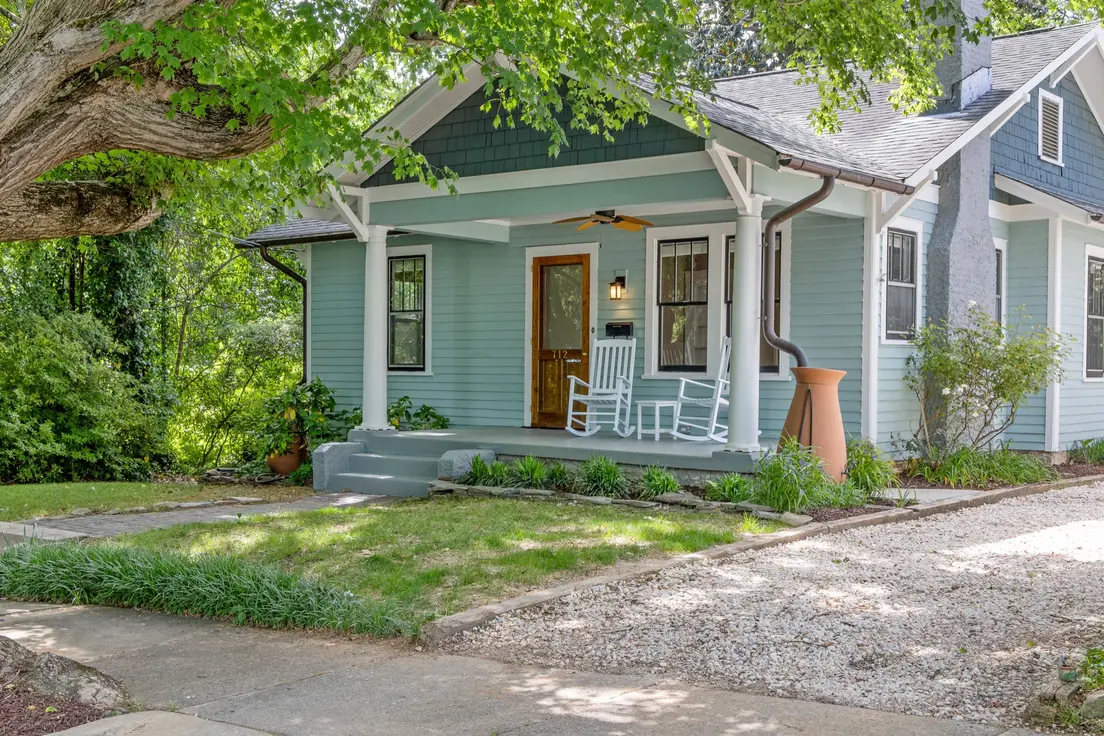
Photo by Curtis Adams on Pexels
The best curb appeal small front porch ideas on a budget fix what’s visible from the sidewalk first: the porch floor, the front door, the lighting, and one or two big pieces of greenery. Most of the ideas below cost under $60 each, and the whole list adds up to about $280 before any new furniture. A small front porch has one job — get guests from the steps to the door — and right now a lot of them do it looking like the place packages go to wait.
DIY First: Pressure Wash the Porch, Then Paint the Floor
Clean before you buy a single piece of porch decor. Rent a pressure washer for $35–50 a day, run it over the porch floor, front steps, and walkway, and half the “tired” look often goes with the grime. A power washer is the single best DIY tool for instant curb appeal, and it’s free if a neighbor owns one. Then give the floor a fresh coat of paint: a gallon of porch and floor enamel runs $40–60 and covers a typical 6×8 porch with two coats. Light gray or a soft greige hides dirt and makes a small porch feel wider. A peeling floor tells the whole street the house stopped trying somewhere around the second-to-last owner. If the house was built before 1978, the old paint may contain lead — read the EPA’s lead-safe renovation guidance before you sand or scrape anything.
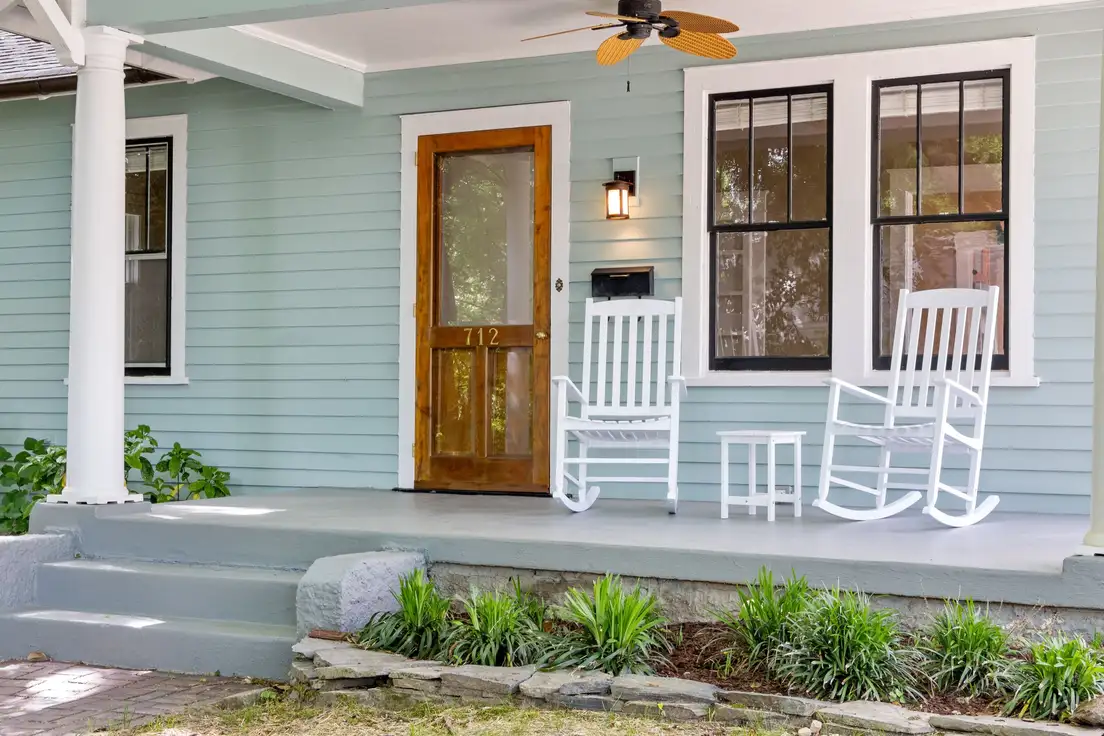
Photo by Curtis Adams on Pexels
Paint the Front Door for a Pop of Color That Reads From the Curb
The front door is the biggest single upgrade per dollar on a small porch. A quart of exterior paint made for doors runs $25–30, covers most doors in two coats, and takes one Saturday morning. It’s the cheapest way to add color to the front of the house. Pick a shade with contrast against the siding that still fits the home’s color palette: navy on light siding, sage or deep green on white, black on almost anything. A door painted builder-beige is the visual equivalent of answering the phone with “yeah?” Remove the hardware or tape it off, sand the old finish lightly, and paint the panels before the flat areas so drips don’t dry in the grooves.
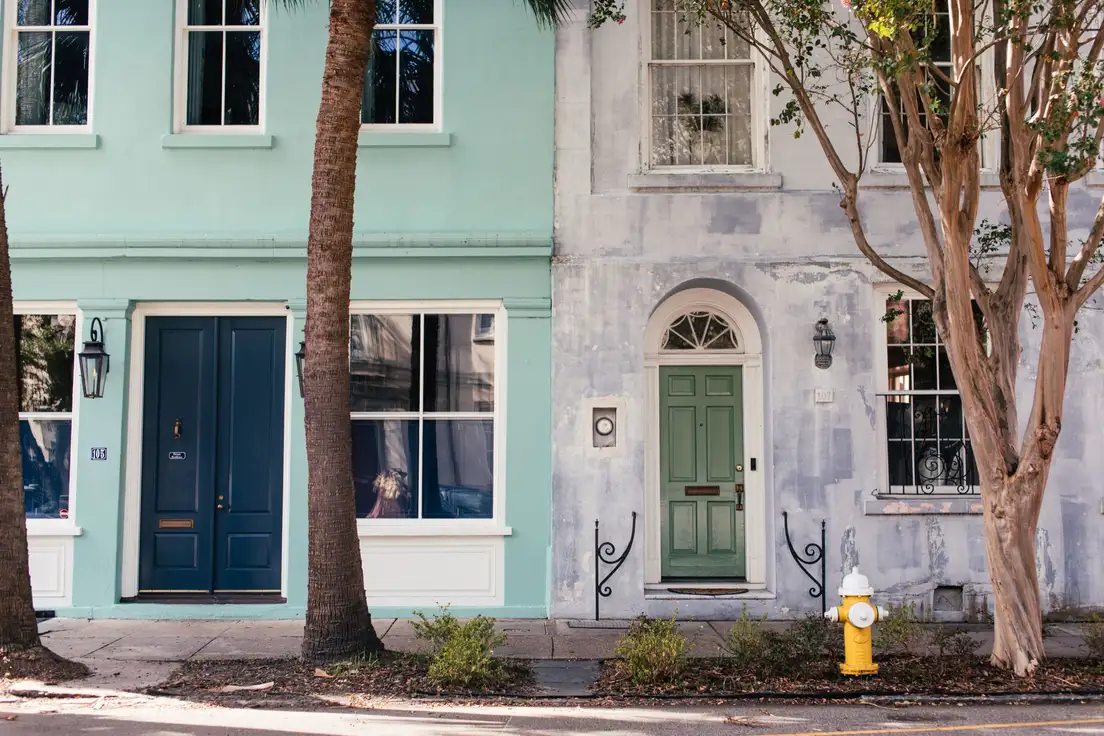
Photo by Rachel Claire on Pexels
Layer an Outdoor Rug Under the Welcome Mat
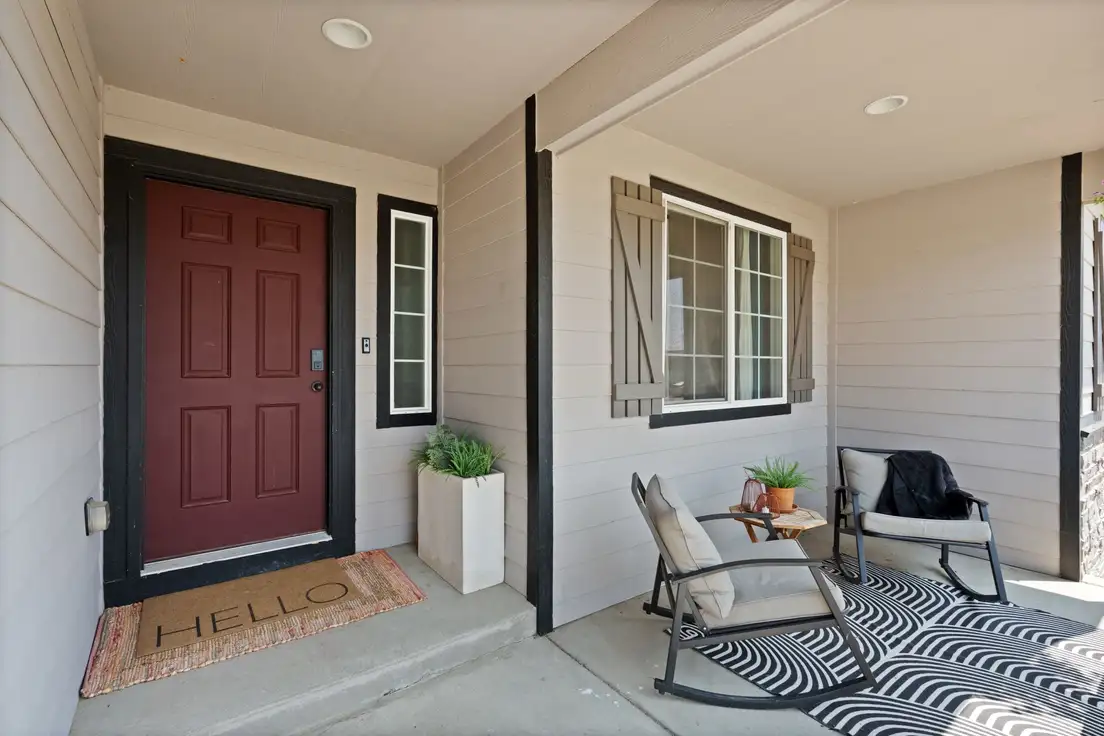
A 3×5 outdoor rug under a standard doormat makes a small stoop look finished, not just covered. Doormats alone run 18×30 inches, and on a 6-foot-wide porch one sitting by itself looks like a postage stamp on a moving box. Layer a $25–45 polypropylene rug underneath and the entry suddenly has a defined floor. Material matters more than pattern here: a jute or wool rug left outside will mold within one wet season in most US climates, and polypropylene won’t. Buy the doormat in coir ($20–35) — it scrapes shoes better than any printed mat and dries fast.
Flank the Door With Two Big Planters and Potted Plants
Go bigger than feels reasonable: two 16–18 inch planters beat six small pots every time. Two small pots by the door read as an accident; two big ones read as a decision. Resin planters run $30–60 each and weigh little when empty, which matters if you rent. Fill each planter with something that survives a missed watering week — an arborvitae, a boxwood shrub, or ornamental grass — rather than annual flowers that need water daily. Real plants are worth it on a sunny porch; a faux topiary is the honest call for a dark, north-facing one. Two planters that size make a big impact for under $120. Put them on either side of the front door, an equal distance out, so the entry looks symmetrical from the street.
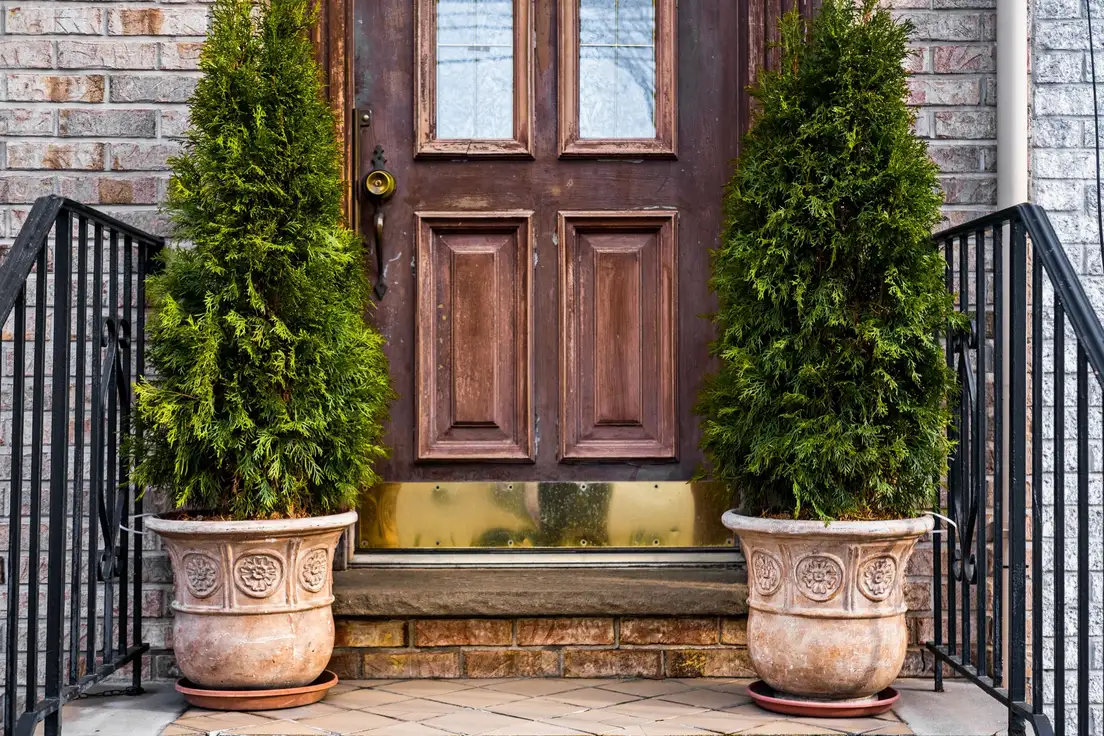
Photo by Malcolm Garret on Pexels
Swap the Porch Light Fixture, Then Add String Lights
Lighting is the cheapest after-dark curb appeal there is. Start with the bulb: swap the builder-grade 4000K bulb for a warm 2700K one, about $5, and the porch stops looking like a parking garage at 9pm. If the fixture itself is dated, a new black or bronze outdoor sconce runs $35–50 and swaps in about 20 minutes with the breaker off. For a covered porch, run a short string of lights along the beam. We learned that one the cheap way: our first strand was $14 glass bulbs, and six had cracked by the next spring. The $34 shatterproof set that replaced it is still up three years later.
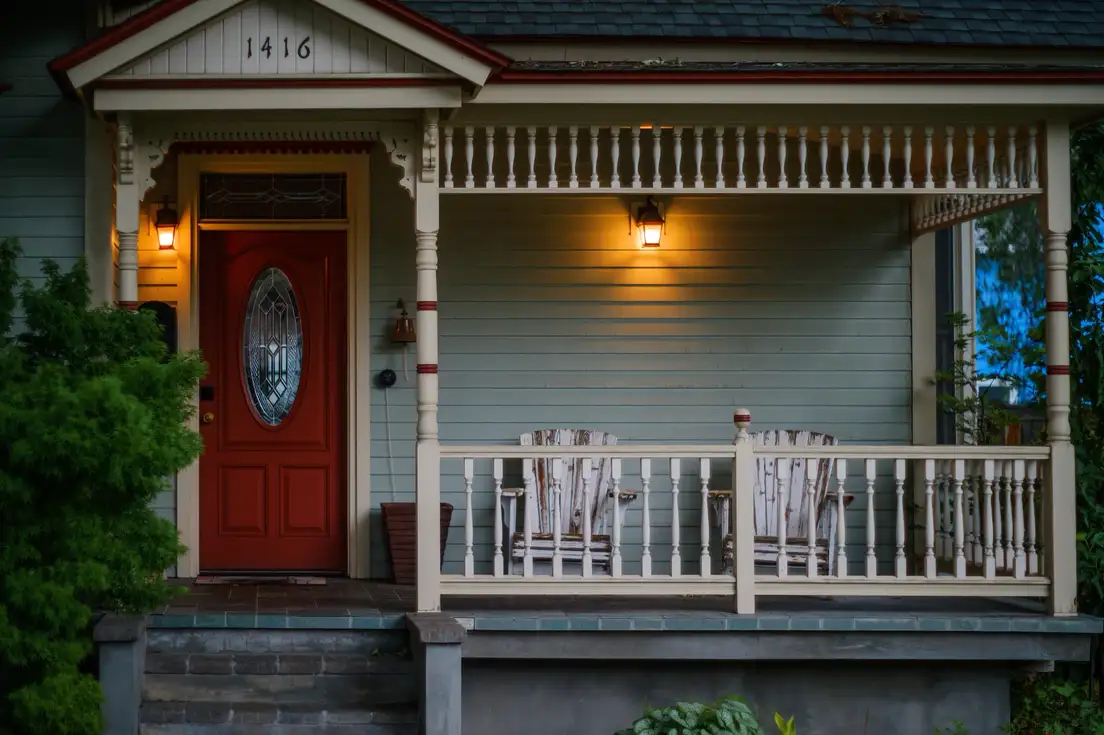
Photo by Brett Sayles on Pexels
Build a Two-Chair Seating Area Instead of a Patio Furniture Set
A small porch needs two chairs and a side table, not a four-piece patio set. A bistro set runs $80–150 new and leaves walking room; a loveseat-plus-two-chairs set fills the whole floor and blocks the path to the door. Keep a clear 36-inch route from the top step to the threshold. On the tightest porches, one rocking chair and a side table is enough. Buy outdoor furniture rated for sun and rain, and add two outdoor throw pillows ($15–20 each) in the door color so the seat looks cozy and tied to the rest of the porch. (Measure the porch before you order anything. We speak from experience.) Skip the porch swing on a porch under 8 feet deep — it needs room to swing that a small porch doesn’t have.
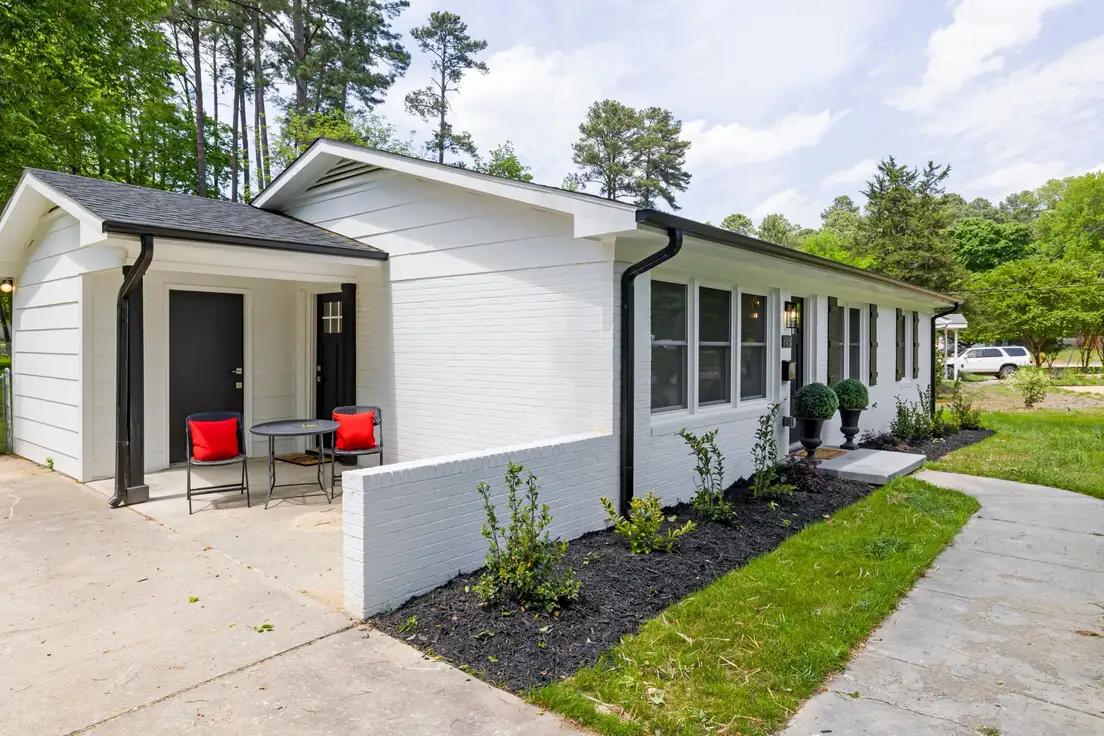
Photo by Curtis Adams on Pexels
Add Greenery Overhead: Hanging Baskets and Railing Planters
When the floor is full, go up. A pre-planted hanging basket runs $20–30 at a garden center in spring, and clip-on railing planters run $10–20 each. Both add greenery without taking a single square foot of floor. Hang baskets from the beam at eye level, one on each side of the steps, so they frame the entry from the street. A basket of petunias needs water daily in July, which makes it less a decoration than a small, demanding pet. If you don’t have a green thumb or you travel in the warmer months, pick ferns or a good faux basket instead — plants and flowers that die by August don’t help anyone’s curb appeal.
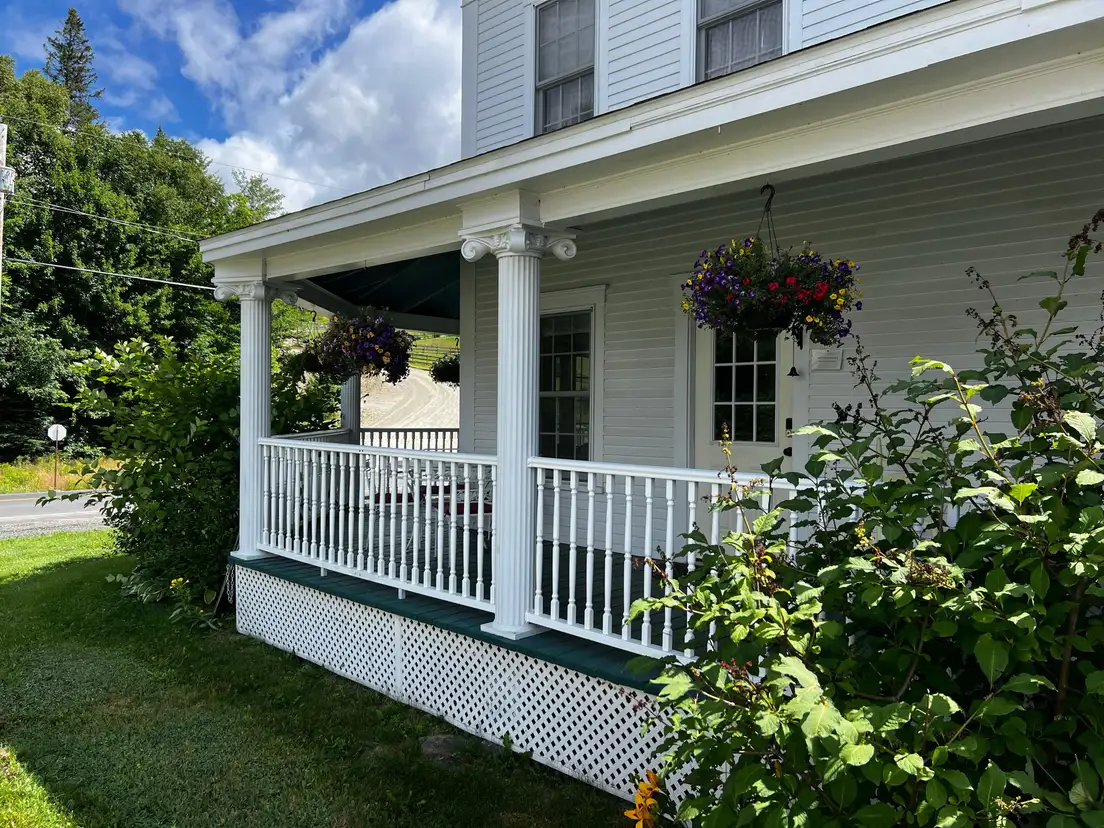
Photo by Clinton Weaver on Pexels
Update House Numbers and Door Hardware in One Finish
House numbers are curb appeal and wayfinding at once, and most builder-grade ones are too small. Choose 4–5 inch numbers ($15–35 for a set) so they read from the street. If a delivery driver has to slow down and squint, the numbers are decoration, not information. Then match the finish: the handle set, the light fixture, and the numbers should all be black, bronze, or brushed nickel — one metal, not three. A new handle set runs $40–80 and swaps in with a screwdriver in under 30 minutes.
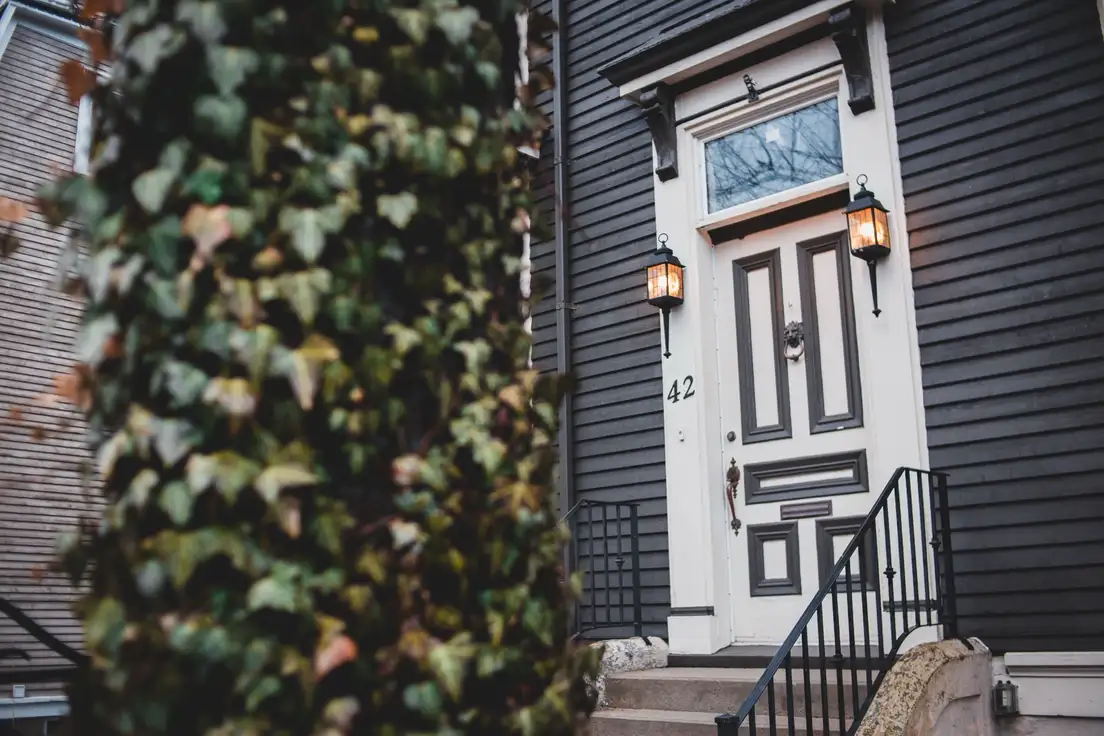
Photo by Erik Mclean on Pexels
Hang a Wreath (Faux Is Fine) on the Front Door
A wreath is the easiest of the personal touches, and faux is fine. A good faux wreath runs $25–40 and lasts several seasons, while a fresh one dries out in two to four weeks. Hang it on an over-the-door hanger so nothing gets screwed into the door. Swap it twice a year — spring greenery and a fall version — and store the other one flat. A faux wreath that stays up from Halloween to Easter isn’t seasonal decor anymore. It’s a resident.
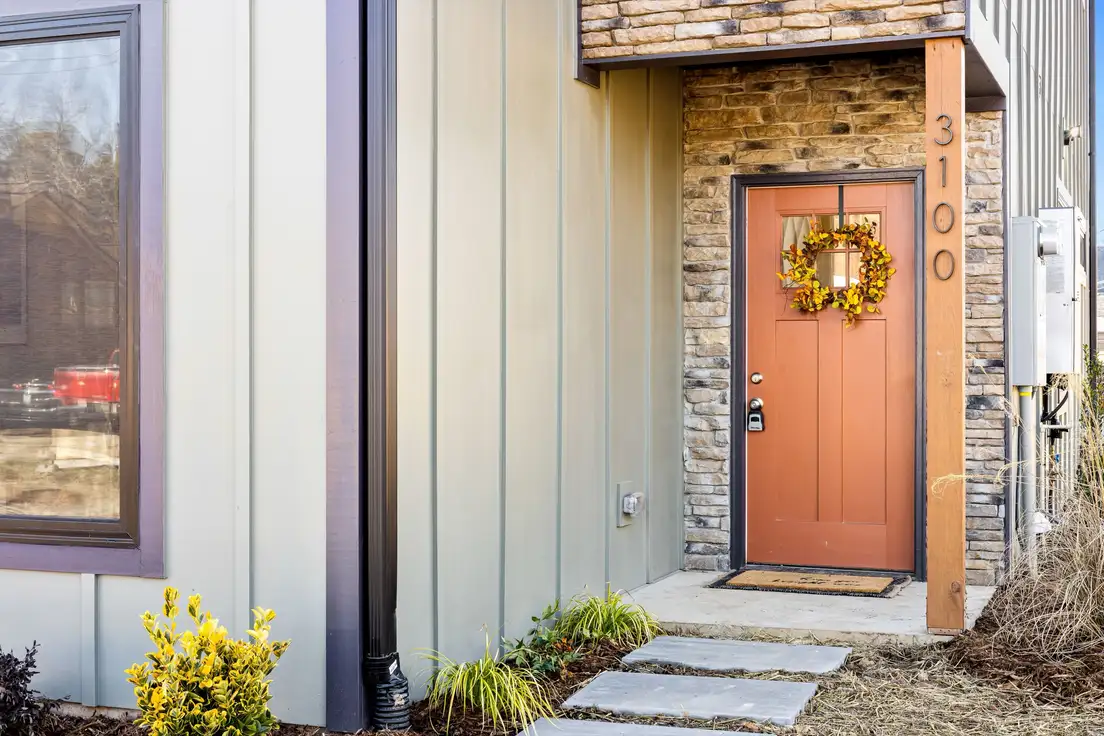
Photo by Curtis Adams on Pexels
Landscape the Front Steps With a Low-Maintenance Flower Bed
A strip of color along the front steps connects the porch to the front yard. You don’t need a landscaper: a flat of annuals runs $20–30 at a local nursery, and two or three bags of mulch at about $5 each cover a 2×8 foot bed. Choose low-maintenance plants that suit your sun — impatiens, begonias, or a potted hydrangea for shade, petunias or lantana for full sun. Edge the bed with a shovel cut instead of plastic edging; a clean line reads as tidy from the curb. Our curb appeal ideas guide covers the mailbox, window boxes, and other pieces beyond the porch.
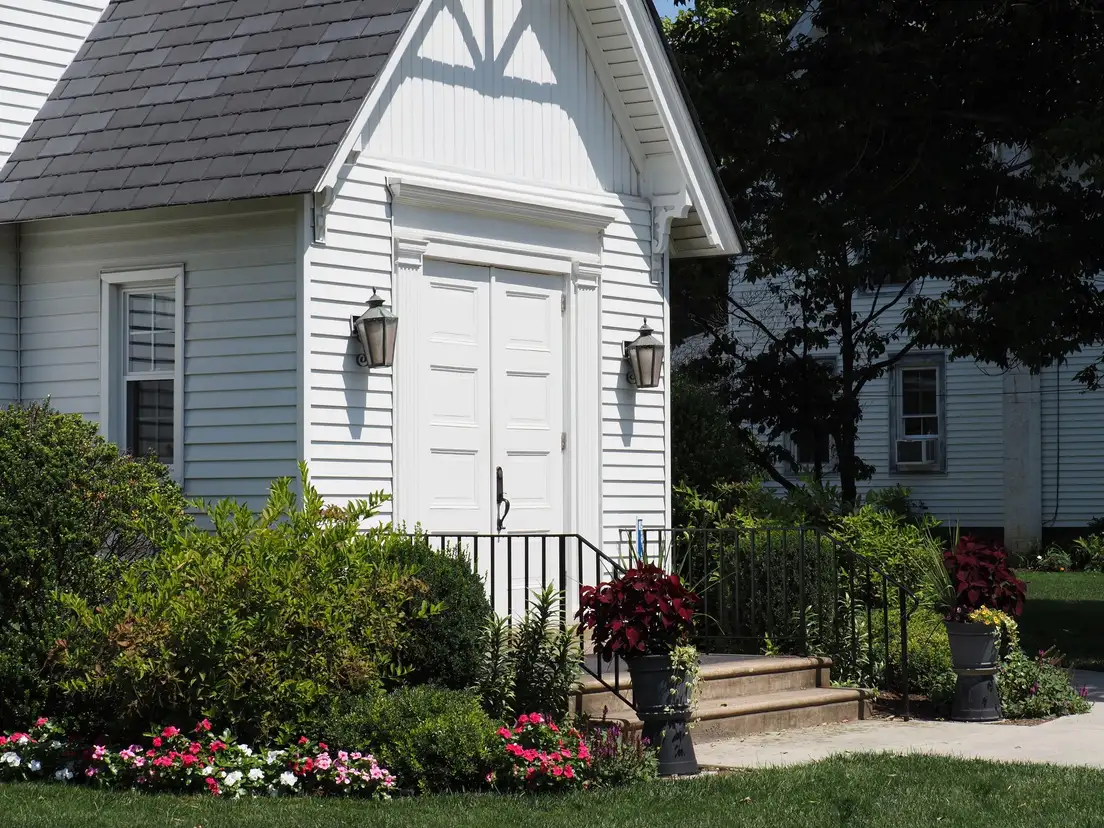
Photo by Gene Samit on Pexels
Edit the Porch Decor Down Before You Buy More
The most common small porch problem isn’t too little decor — it’s too much. Most front porch decorating ideas add things; this one takes them away. Six mismatched pots, a faded flag, a broken chair, and a garden gnome don’t add up to personality. They add up to a yard sale that never ended. Take everything off the porch, clean it, and put back only the pieces that pass a simple test: does it look good from the sidewalk? A porch is a small outdoor space, so keep the floor mostly clear, keep one rug, and limit tabletop decor to one item. A tidy, uncluttered porch photographs better than a full one every time.
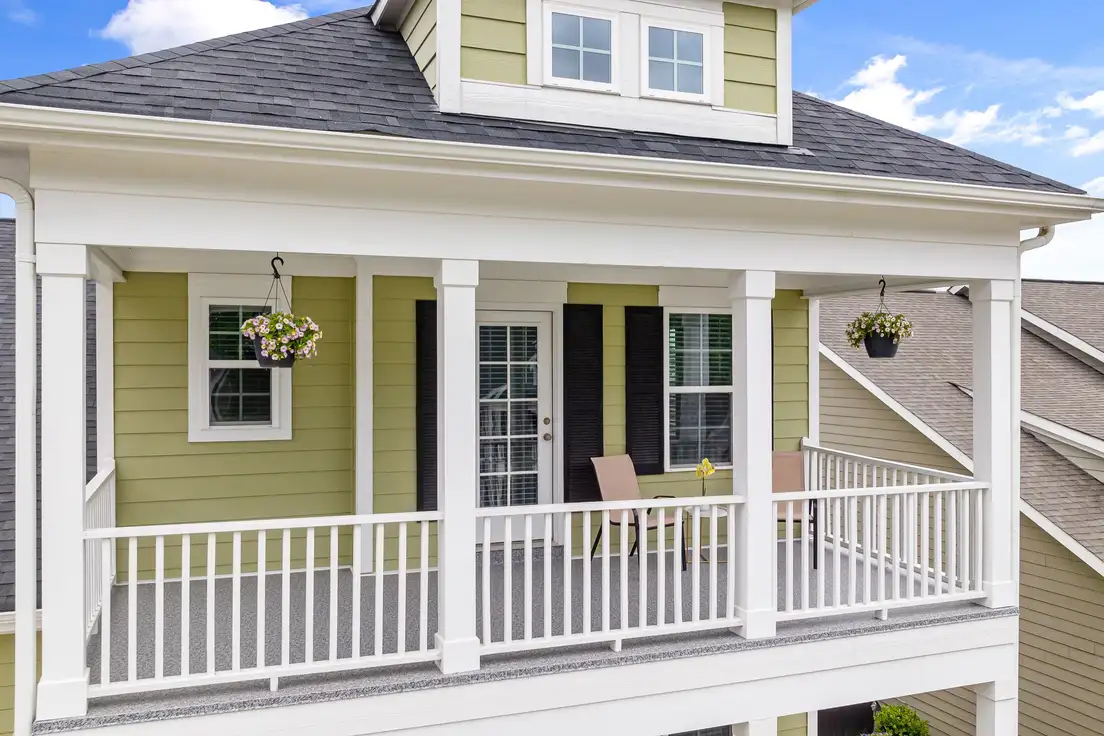
Photo by Curtis Adams on Pexels
The Honest Math: What a Small Front Porch Makeover Costs
Here’s the honest math, added up instead of estimated:
- Weekend core — about $280: porch floor paint ($55), door paint ($30), outdoor rug ($35), coir doormat ($25), two planters with evergreens ($100), warm bulbs ($10), house numbers ($25).
- Full refresh — about $595: everything above, plus a pressure washer rental ($40), a bistro set ($120), shatterproof string lights ($35), two hanging baskets ($50), a faux wreath ($30), and a flower bed ($40).
- If the fixtures are dated: add $70–100 for a pair of new sconces, for roughly $665–695.
Do the $280 version first. Painting and lighting solve more of a porch’s problems than new furniture does, and you’ll know whether the chairs are still needed once the floor and door are done. For the same “fewer decisions, repeated” logic across the whole facade, see our simple home exterior design guide.
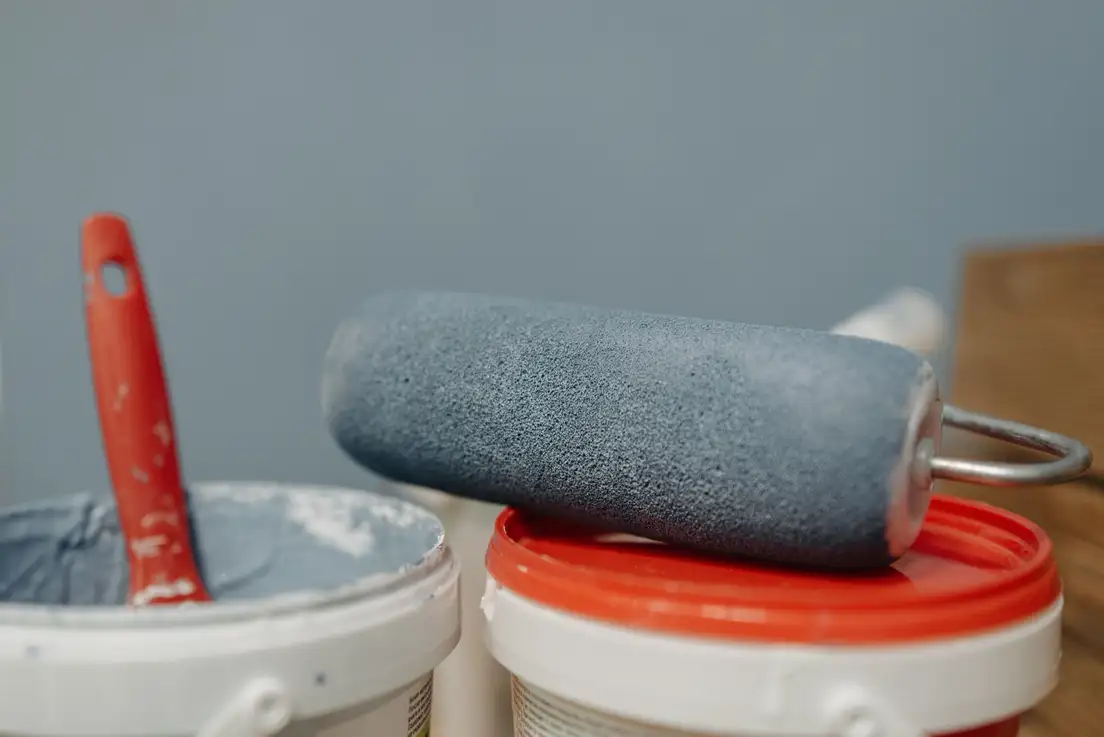
Photo by Pavel Danilyuk on Pexels
Rule of Thumb: Symmetry and the Three-Thing Limit
A small porch looks pulled together when it follows two rules. First, symmetry and a cohesive color palette: pairs of planters, lights, or wreaths on either side of the door, in the same two or three colors, read as intentional design — the cheapest way to boost curb appeal there is. Second, the three-thing limit: one seating group, one rug, and one plant grouping — anything beyond that starts to crowd a porch under about 60 square feet, and on a tiny porch two of the three is plenty. Judge every addition from the sidewalk, not from the top step. If your porch is on a ranch-style house, our ranch house curb appeal guide covers the long, low facade around it, and the modern farmhouse exterior guide covers porch columns and black-and-white palettes.
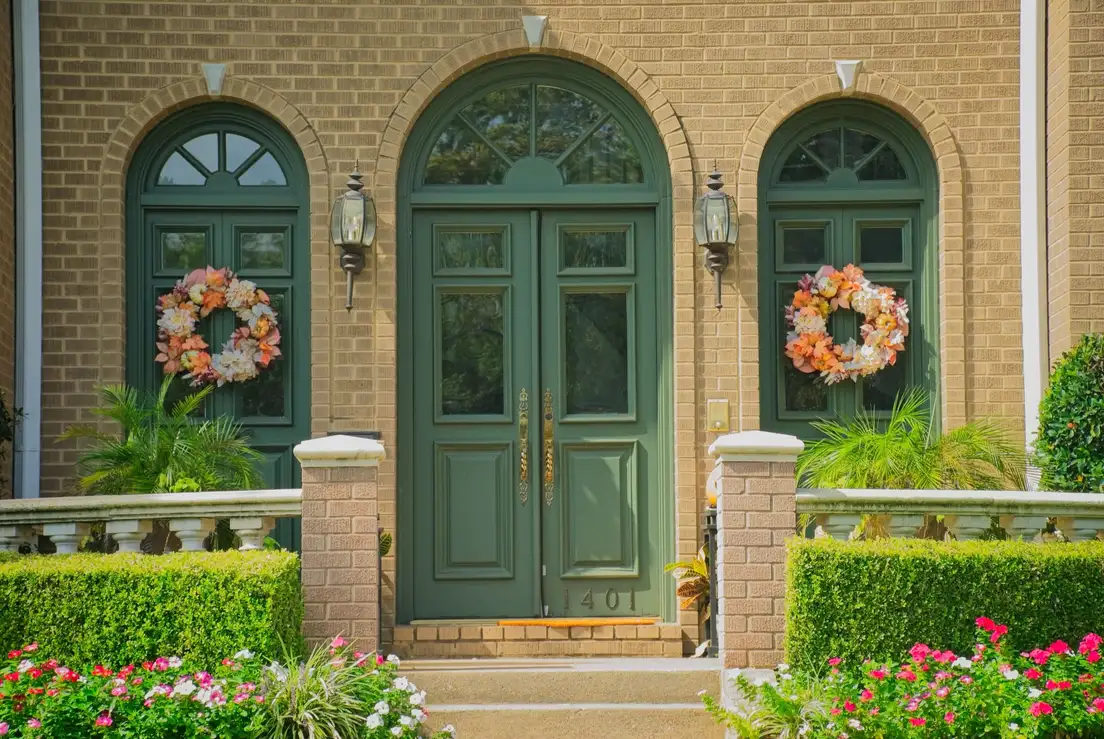
Photo by John Robertson on Pexels
Start with the floor and the door. Everything else on this list is easier to choose once the porch stops looking like the before photo.
Frequently asked questions
How do I make a small front porch look good?
Clean it first, then fix the three things visible from the street: the porch floor, the front door, and the lighting. A fresh coat of porch floor paint, a painted door, and a pair of warm 2700K bulbs cost under $100 together. Add one outdoor rug and two large planters, and stop there — a small porch looks best with a few deliberate pieces, not many small ones.
What makes a front porch look tacky?
Clutter does most of the damage: too many small pots, faded seasonal decor left up past its season, broken or mismatched furniture, and three different metal finishes on the light, the numbers, and the door handle. Peeling paint and dead plants read as neglect from the curb. Removing items usually helps more than adding new ones.
What are some affordable ideas for a small front porch?
Paint the porch floor ($40–60 a gallon of porch and floor enamel), paint the front door ($25–30 a quart), layer a 3×5 polypropylene rug under the doormat ($25–45), and swap the porch bulb to warm 2700K. A pair of 16–18 inch planters with evergreens adds $60–120. The whole weekend version lands around $280 without new furniture.
What are some inexpensive ways to improve curb appeal?
Pressure-wash the porch, steps, and walkway; paint the front door; replace small or faded house numbers with 4–5 inch numbers; and match the finish of the light fixture, door handle, and numbers. Each of these costs under $60, takes a weekend or less, and changes how the house reads from the sidewalk more than new furniture would.
How can I make a narrow porch look bigger?
Use a light porch floor color, keep furniture low and armless, and leave a clear 36-inch path from the steps to the door. Choose one rug sized to the seating area rather than several small mats. Hanging baskets and railing planters move greenery off the floor, so the usable space stays open while the porch still looks full.